Lucas says Kansas City police board committee meets in secret, violating Missouri law
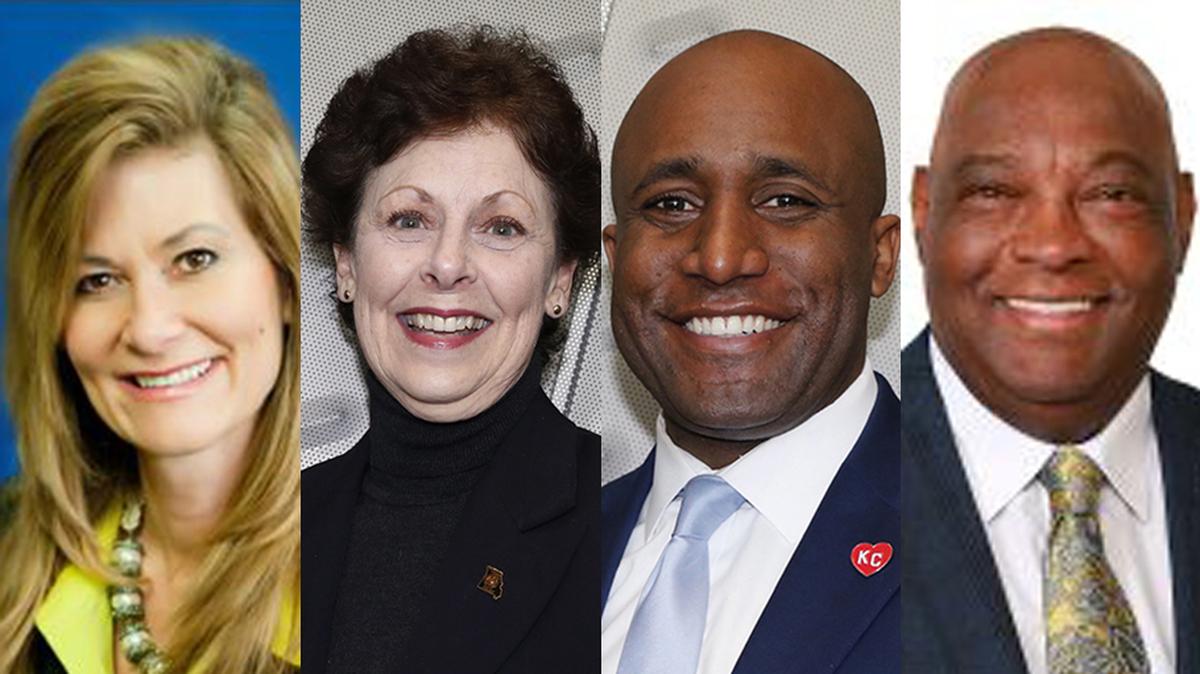
Mayor Quinton Lucas is accusing two of his fellow members on the Kansas City Board of Police Commissioners of violating the Missouri Sunshine Law by meeting secretly to discuss legal matters.
Lucas said the two-member litigation committee, which is a subcommittee of the police board, has routinely met with the board’s private attorneys to discuss pending civil lawsuits and map out legal strategy.
Under the Missouri Sunshine Law, no meeting or vote of a public body is allowed to be closed without a vote of the majority of those members present. Boards are required to publicly disclose the time, date and place of those closed meetings.
Notice of the police board committee’s meetings have not been posted.
David Kenner, board secretary and attorney, said the meetings don’t have to be posted because the committee does not represent a quorum of the five-member board.
“Its only function is to discuss strategy with outside counsel in matters related to litigation between the city or its officials, including the mayor, and the (police) department,” Kenner wrote in an email to The Star. “No votes are taken at these meetings.”
Kansas City is one of a few cities in the United States that does not control its police force. The department is overseen by the Board of Police Commissioners. Four members are appointed by the governor and as Kansas City mayor, Lucas occupies a fifth spot.
One of the five seats is currently vacant. Don Wagner stepped down from the board at the end 2022 after serving five years. Gov. Mike Parson has yet to name a replacement.
The other police commissioners — Cathy Dean, Dawn Cramer and board president Mark Tolbert — declined to comment.
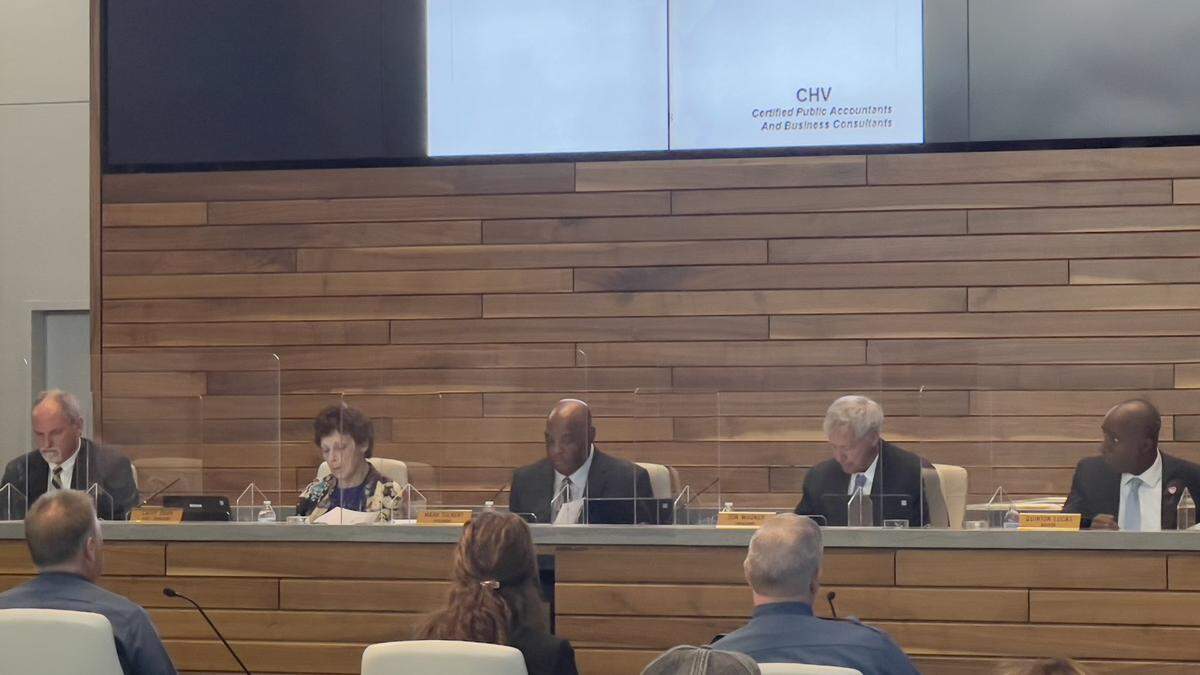
The subcommittee was created two years ago after Lucas and a majority of the City Council passed a pair of ordinances that sought to give the city manager authority over a $42.3 million portion of the police department budget. The money would have been allocated for a “community services and prevention fund.”
The city gives millions to the police department but has no say in how those tax dollars are spent.
The litigation subcommittee, at the time, consisted of board members Nathan Garrett and Cathy Dean. The two met with outside attorneys to weigh the board’s legal options against the ordinances. The board later decided to file a civil lawsuit against Lucas and the City Council.
A Jackson County judge ruled in the board’s favor, saying the council violated state law and could not redirect police funding after it had already approved the budget.
But after that legal victory the litigation subcommittee has continued to meet without providing public notification, Lucas said.
The litigation subcommittee now includes Dean and Cramer.
As part of another ongoing lawsuit, four of the five police commissioners alleged that the city is under counting its general revenue fund so it can spend less on law enforcement.
Missouri law now requires Kansas City allocate 25% from its general revenue fund to the department. Voters in Missouri passed a constitutional amendment in November to increase the funding amount from 20%.
But in recent court filings, the board says the city is not including in its general fund calculations economic development incentives like community improvement districts, transportation development districts and tax increment financing incentives. Those funds are set aside for special business districts and new development projects.
The BOPC alleges the city is violating state law by under counting revenues when determining how much to appropriate to the police department.
The city’s general fund accounts for about 30% of government spending. Funded by property, earnings and utilities taxes, the general fund pays for basic services like police, fire and trash collection. The general fund excludes departments like aviation and water, which have dedicated revenue streams.
In court filings, the police board argues the city should not base its police funding on the general fund figures, because it excludes two-thirds of city spending.
The city has argued that it has used the same formula for police funding for many years and any change in that formula would create an increased financial burden on the city.
The cross-claim filed by the police board is part of an ongoing civil lawsuit filed by Gwen Grant, president and CEO of the Urban League of Greater Kansas City, over how Kansas City’s police department is governed. That lawsuit was consolidated with a civil action filed by Lucas that challenged how much the state could required the city to spend on policing.
Community activists said if the board prevails in its legal action, it could be financially devastating for the city.
And the litigation subcommittee discussing whether to file a cross-claim against the city is a violation of the Missouri Sunshine Law, said Lora McDonald of the Metro Organization for Racial and Economic Equity, or MORE2.
“The Board of Police Commissioners’ ‘litigation committee’ certainly alarms us on multiple levels, but we are not surprised,” McDonald said.
“It appears to exist for the purpose of making secret decisions which may have a big impact on the city, yet the public gets no information. It has only included Caucasian board members since its inception. We have no information on why the committee was necessary as it was created in closed session and no information on the decisions made within the committee.”
The board’s only other committee is one that reviews the department’s annual outside audit. The minutes and actions from those meetings have been posted on the board’s website, but the last time was in June 2020.
For years the police department has struggled to foster relationships with the community it serves. McDonald said the litigation committee undercuts efforts to enhance transparency and accountability to residents and taxpayers.
The department is under investigation by the U.S. Department of Justice over allegations of racist employment and hiring practices.
KCPD also has faced criticism from community leaders related to racial discrimination, police use of force, the killings of Black men and the city’s alarming homicide rate.
“The litigation committee of the BOPC has the ability to significantly influence policing policy in Kansas City through the lawsuits it decides to pursue,” said Lauren Bonds, executive director of the National Police Accountability Project.
“While some of the content of meetings might be exempt under the sunshine law’s litigation exceptions, it seems very unlikely that all of their notifications, minutes, agenda items and actions would be exempt,” Bonds said. “There is a strong public interest in knowing the work of the litigation committee and people are rightfully concerned about how much is being withheld from the public.”
Lucas has frequently challenged various legal decisions by his fellow commissioners during his term on the police board.
The mayor said he voted in opposition to creation of the litigation committee because it has excluded some board members. He said he does not have a record of how often or when the committee meets and there is no record of what they discussed.
“It is truly frustrating and purely unlawful,” he said.
Jean Maneke, an attorney who represents the Missouri Press Association and works on matters related to the Missouri Sunshine Law, said a subcommittee is no different than any other public body.
“And so if the board authorized this litigation committee, or subcommittee, whichever you call it, and it reports to the board … yes, it absolutely must follow the Sunshine Law,” she said.
The Missouri attorney general, citizens and even Lucas could seek a legal remedy by filing a civil lawsuit that would ask a judge to decide whether the subcommittee’s meetings are allowed to be closed. That has not happened yet.
The Star’s Kevin Hardy contributed to this report.