New Missouri law allows college coaches, staff to help players score likeness deals
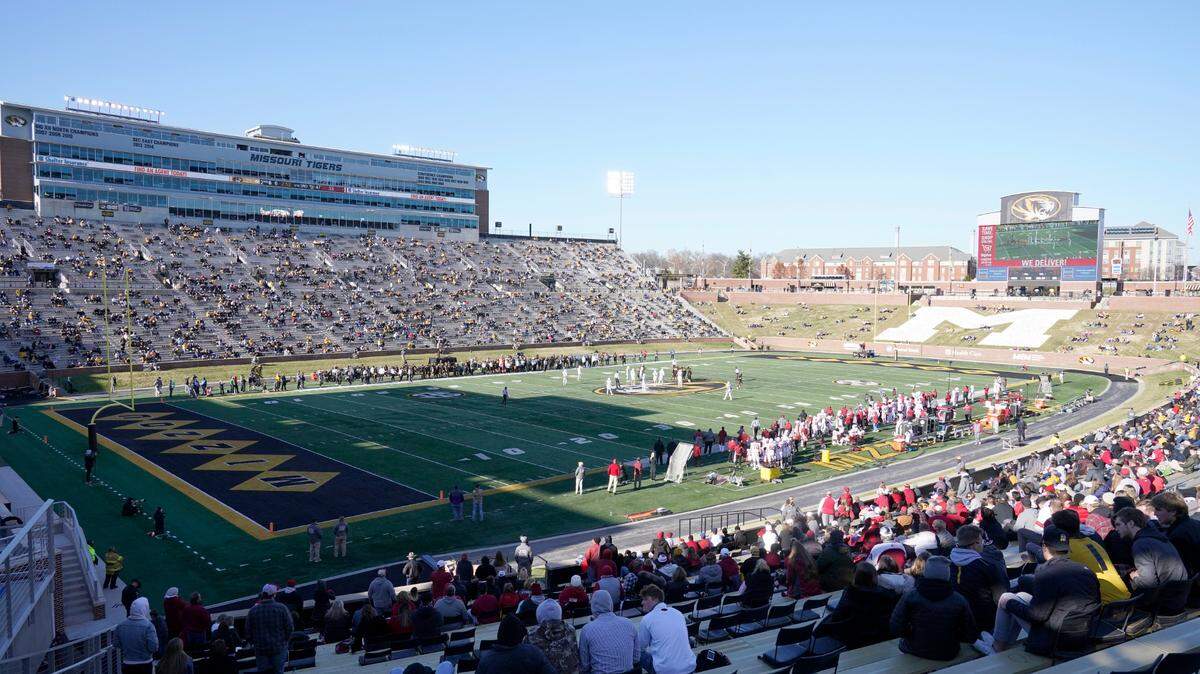
A new amendment to Missouri law will allow college coaches and staff to be more involved in student-athletes’ name, image and likeness endorsement deals.
The amendment to last year’s name, image and likeness (NIL) law, signed into law by Gov. Mike Parson during a ceremony Thursday, gives university employees the OK to interact with third-party NIL entities and help student athletes earn money through their own personal brands.
“What began as a bill to bring more awareness and attention to our two HBCUs has grown into a more impactful piece of legislation that will improve all of higher education,” said bill sponsor state Sen. Barbara Washington, a Kansas City Democrat. “I’m proud to carry legislation that will make NILs easier for our athletes; that will provide more dual credit opportunities; and create the workforce diploma program for our high school graduates.”
The new law allows college coaches and employees to “basically barter on behalf of athletes,” Rep. Wes Rogers, a Kansas City Democrat, previously told The Star.
Rep. Kurtis Gregory, a Marshall Republican and former University of Missouri offensive lineman, added the language as an amendment to a wide-ranging higher education bill that designates the third week of September as “Historically Black College and University Week.” It passed both chambers of the Missouri General Assembly in May.
After Parson announced Wednesday evening he planned to sign the bill, Gregory told The Star it will give Missouri college athletes a “leading edge” in securing likeness deals.
“It’s going to give coaches and athletic department staff the ability to find potentially better deals and then also the safety cushion of weeding out potential bad actors in the NIL space,” he said.
Under the new law, coaches and school personnel can “identify or otherwise assist with opportunities for a student athlete to earn compensation from a third party for the use of the student athlete’s name, image, likeness rights, or athletic reputation.”
Last month, the NCAA set guidelines stating that boosters or collectives who contact recruits or sign athletes to contracts that are contingent upon a player’s attendance at a particular school are breaking NCAA rules and could be subject to sanctions.
Collectives, which have popped up at colleges over the last year, are used to raise money from boosters and fans to distribute to athletes through NIL deals.
The guidelines were viewed as an attempt by the NCAA to prevent pay-for-play, the practice of boosters or colleges directly paying student athletes.
Similar legislation passed in Tennessee that allows universities to have direct and public relationships with the collectives that pay their athletes for NIL deals was “the catalyst” for Gregory’s bill, he said.
“I just want to make sure that our institutions are able to go out and recruit and retain the best players,” he said.
This story was originally published June 16, 2022 at 11:51 AM.