Missouri lawmakers eye Kansas City’s World Cup bid through tax exemptions
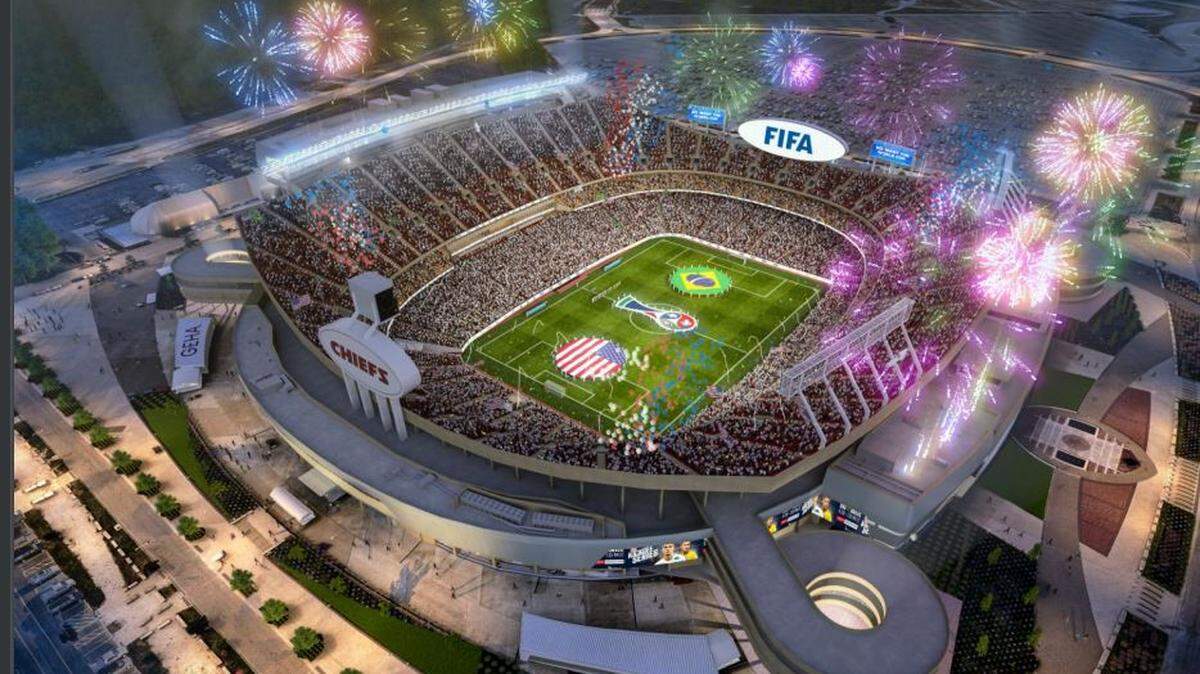
The Missouri House on Tuesday advanced a bill intended to help bring the 2026 World Cup to Kansas City.
The legislation, sponsored by Sen. John Rizzo, an Independence Democrat, would terminate sales tax collections on World Cup ticket sales if Jackson County hosted some of the soccer matches. The House approved the bill 116-32.
But the bill won’t head to the governor’s desk until the House and Senate resolve the differences between two competing versions of the legislation.
The proposed tax exemption comes amid a push by Kansas City and its major sports teams to entice FIFA officials, who are expected to select the tournament’s 16 North American host cities sometime this year. Kansas City is widely viewed as a “bubble city” among the other venues vying for the tournament.
The World Cup “is going to showcase our city to the world,” said Rep. Jonathan Patterson, a Lee’s Summit Republican and the bill’s handler, told The Star Tuesday.
He said the tournament would have an estimated $750 million economic impact on Missouri — although economists caution that it’s difficult to quantify the impact of major sporting events.
FIFA, in its bidding process guide, had requested host governments implement tax exemptions, among other requirements like paying for safety and security measures.
“This is something they basically want every host site to do,” he said. “If we don’t do it, I think it puts us at a disadvantage…If we were able to do it now, we would be out in front of everybody else. There is a strategic advantage to that.”
If the bill passes, and Kansas City is among the cities selected, the tax exemption would cost the state roughly $3.5 million between June and July 2026, according to a fiscal analysis produced for lawmakers.
House lawmakers tacked two amendments to the otherwise clean bill on Tuesday, sparking some concern that it may not be able to get to Gov. Mike Parson’s desk by Friday. One amendment, added by Rep. Don Rone, a Portageville Republican, would offer tax credits to companies that produce wood energy. The other, which would offer benefits to manufacturing companies that employ people from racial minority groups, was added by Rep. Bruce Degroot, a Chesterfield Republican.
The Senate later on Tuesday refused to accept the House’s changes to the bill, likely sending the bill to negotiations between the two chambers.
FIFA officials visited Kansas City last year, meeting with Gov. Mike Parson, Kansas Lt. Gov. David Toland and mayors from cities in both states. The owners of Kansas City’s major sports teams — the Chiefs, Royals, Sporting KC and KC NWSL — also helped lay out the red carpet in the Power and & Light District.
The Compass Minerals National Performance Center across the state line in Kansas City, Kan. could give Kansas City an advantage in its bid. The facility, where Sporting KC practices, is also the training home for the U.S. Soccer Federation.
In a North American bid, cities in the United States, Mexico and Canada will host the 2026 World Cup. An estimated 48 countries will compete in the tournament.
Twenty-two cities — 16 in the U.S. — are competing for a total of 16 slots as hosts. If Kansas City is selected, the matches would be played at Arrowhead Stadium.