
Kansas is eliminating its food tax. Here’s how the new law will affect your grocery bill
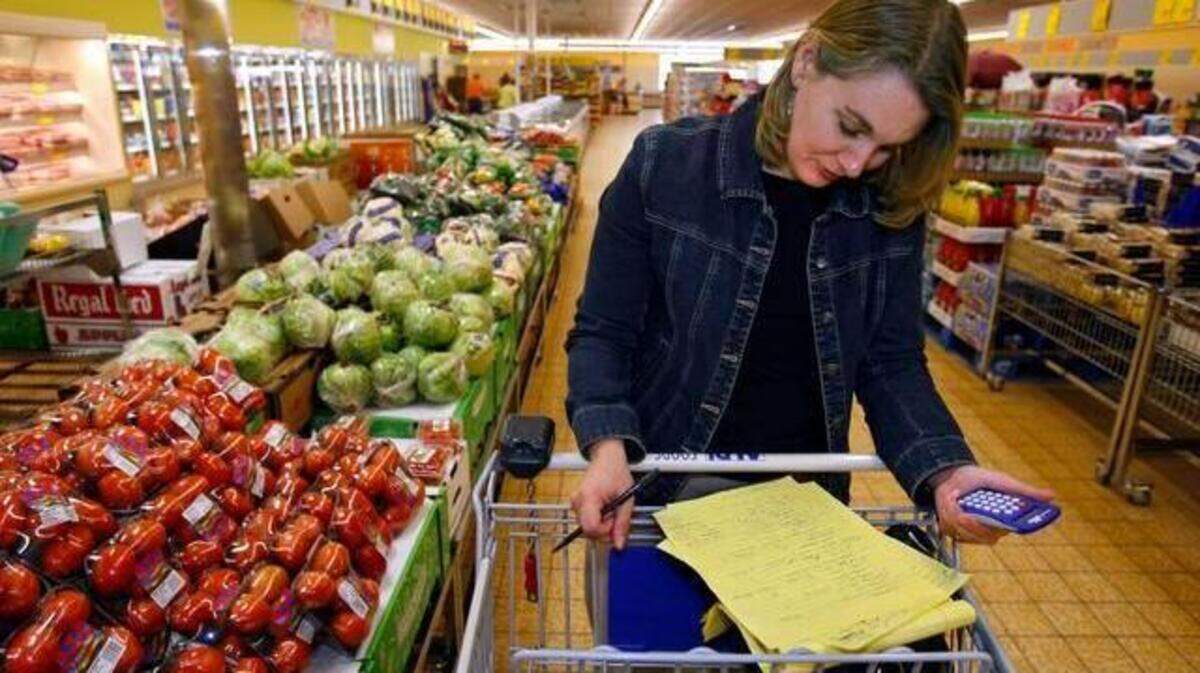.JPG "Kansas is set to eliminate its state food tax by 2025.")
After years of partisan conflict, Kansas’ state Legislature passed a bill late Thursday night to eliminate the state’s sales tax on groceries by 2025. The measure, which passed with strong support from both parties, will gradually decrease the tax over the next three years.
Residents will begin seeing the effects of the new law in January—but local sales taxes on food will still apply.
When does this law go into effect?
The first sales tax decrease from 6.5% to 4% goes into effect on Jan 1, 2023. But it’s unclear whether this change will actually decrease Kansans’ grocery bills: If inflation stays at current rates, it will cancel out this 2.5 percentage point decrease by the time the tax cut goes into effect.
The tax will then drop from 4% to 2% on Jan. 1, 2024, and be eliminated entirely on Jan. 1, 2025.
Gov. Laura Kelly is encouraging the Legislature to pass another law putting the tax decreases into effect sooner, but this effort is unlikely to succeed.
What foods won’t be taxed?
Many regular grocery store items qualify for this change, but prepared foods do not. The text of the new law lays out which foods do and don’t qualify. Here’s a rundown:
These foods DO qualify for the sales tax elimination:
Basic grocery items like produce, milk, eggs, bread and meat
Bakery items like rolls, cakes, tortillas and breakfast pastries
Bottled water and soft drinks
Candy and vending machine snacks
Dietary supplements
These foods DON’T qualify and will still be taxed at the state’s 6.5% rate:
Prepared foods that are ready to eat or just need reheating
Food sold along with eating utensils provided by the seller
Alcoholic drinks
Tobacco
How much money will I save?
It’s unknown how much money this new law will save Kansans, because inflation may cancel out the tax decreases. Local taxes on food will also remain in effect, meaning that groceries won’t be totally tax-free.
Johnson County charges a 1.475% sales tax, but towns and cities within the county have over 80 different sales taxes depending on location. Here’s a list of current combined sales taxes in various Johnson County locations.
Wyandotte County’s sales tax starts at 1%, but a handful of locations charge more — including parts of Kansas City, Kansas. Here’s a list of current combined sales taxes in various Wyandotte County locations.
Do you have more questions about legislation or the cost of living in the Kansas City area? Ask the Service Journalism team at kcq@kcstar.com.
This story was originally published April 29, 2022 at 3:37 PM.
.jpg)