KDHE Secretary: Impacts of COVID-19 will reverberate in Kansas for at least five years
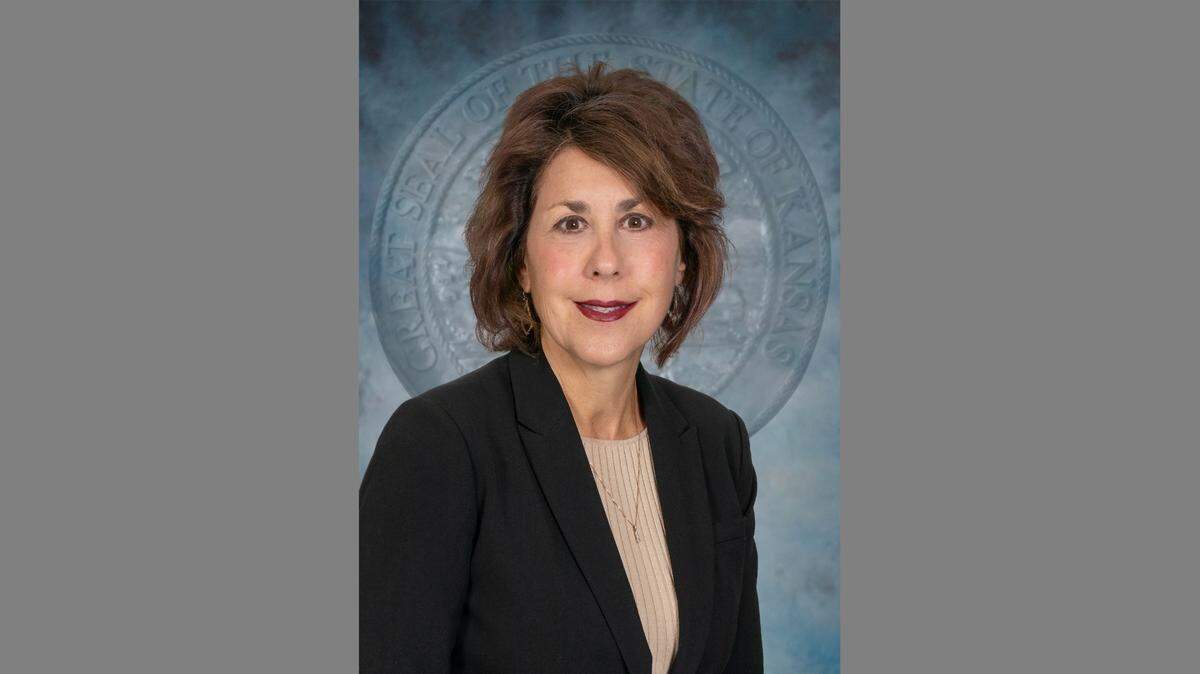
COVID-19 is “interwoven into the fabric” of public health and Kansas will be dealing with its aftermath for at least the next five years, according to the state’s top health official.
“This is nothing that’s gonna end in 2022 and we’re gonna go back to normal,” said Janet Stanek, confirmed last month as the new Kansas Department of Health and Environment secretary. “I would say at least five years if not longer.”
In an interview with The Star last week, Stanek discussed the multiple challenges her agency faces as the state moves from the pandemic to endemic phase of the COVID-19 era, as formally announced by Gov. Laura Kelly last month.
These include rebuilding both the public’s trust and public health staffing lost to the pandemic. Through last May, 36 public health officers in Kansas had resigned.
“I think there’s been a loss of trust … because of the information that kept changing and the guidance that kept changing,” Stanek said. “There’s just people that still don’t have the same belief system throughout COVID throughout the country.”
“Public health in general, even though we do more than that, took a hit because of COVID because people at this point are just so frustrated.”
In the two years since the first COVID-19 cases were detected in Kansas, public health officials went from all but invisible civil servants to subjects of intense attention and, at times, anger.
Misinformation about COVID-19 ran rampant and state lawmakers in Kansas and across the country passed laws undercutting the power of those officials.
Stanek was appointed to replace outspoken Secretary Lee Norman, who left following messaging disputes with Gov. Laura Kelly’s administration. She was immediately placed under intense scrutiny.
The Senate Public Health and Welfare committee opted against recommending her confirmation because she intended to follow Centers for Disease Control guidance too closely. In February, KDHE stopped airing public service announcements encouraging COVID-19 vaccines after pressure from anti-vaccine lawmakers.
Stanek said the decision was influenced by her conversations with lawmakers including Sens. Mike Thompson and Mark Steffen — among the Legislature’s most prominent vaccine skeptics — but insisted they were not the sole reason the PSA’s were pulled.
“Some of that I considered good advice, good feedback,” Stanek said. “It wasn’t just them … The surge was starting to diminish a little, the penetration for those that were going to get a vaccine maybe wasn’t going to be as effective to continue to hear those commercials.”
However, she acknowledged that revisions to public health law over the last two years — shifting some of the traditional authority of career public health officers to elected officials — could make the response to the next emergency more difficult.
“We are not going to walk away from our duty to protect the health and safety of all Kansans,” Stanek said. “I believe if there was another crisis, boots on the ground, my position networking with the Health Committee and the Legislature to do the right thing would have to occur at a level that’s much more intense than it would have been.”
Mental health challenges
Despite these difficulties, Dennis Kriesel, executive director of the Kansas Association of Local Health Departments, said public health officials in Kansas are better prepared for the next pandemic than they were two years ago.
Though public health drew ire in the last year, Kriesel said, it also gained attention that will drive funding. And while many have left the field, some have stayed.
“We have some lessons learned in mind … we never contemplated what would happen if a disease is political, what would happen if we change our advice on masks six times in two years,” Kriesel said.
“The old historic problem that public health had was the invisibility crisis … now everyone thinks they know what public health is.”
Despite the end of most mask mandates and capacity restrictions as case numbers and hospitalizations decline, fears of yet another pandemic wave remain. Canada is recording 100,000 new COVID-19 cases a day and officials are concerned the wave may hit the U.S.
Months before Kelly’s formal announcement, Kansas had already begun its shift to endemic operations. The state stopped contact tracing in January.
Stanek said Kansas’ endemic planning has been careful to provide avenues to “pivot” if a new wave were to arrive. Though the state is shifting many surveillance responsibilities to counties and focusing its testing on at-risk communities, Stanek said, KDHE is keeping contracts developed during earlier stages so operations can ramp up again quickly.
But even with that reality, Stanek said, KDHE is beginning to focus on the after-affects of COVID-19.
Mental health has become a greater concern over the last two years. Furthermore, Stanek said she anticipates a spike in preventable diseases after Kansans delayed medical care during the pandemic.
“We have a lot of programs and initiatives in our health promotion and health prevention area. Now it’s time to dust off how are those going to link to whatever the after-effects of COVID is,” Stanek said.
Kriesel noted that the new post-pandemic cohort of public health officials in Kansas will need to learn how to do the traditional public health functions that fell by the wayside during the pandemic. They’ll also be confronting “set backs” that came from two years of neglect and dropping trust in standard public health tools like vaccines.
“They were thrust into this scenario where it wasn’t like normal public health,” Kriesel said.
For KDHE Much of that focus, Stanek said, will come in rural areas that have seen shrinking healthcare access for decades.
“Our focus, it is those rural and socially vulnerable areas,” Stanek said.
This story was originally published April 11, 2022 at 5:00 AM.