Diapers are expensive. They’d be cheaper in Missouri under this new bill
Last year, Missouri state Rep. Patty Lewis took a tour of Happy Bottoms, a Waldo-based nonprofit in her House district.
Happy Bottoms is a diaper bank. Founded in 2009, the organization works with social services agencies and hospitals to get diapers to low-income families who struggle to pay for them. That’s a lot of families — 1 in 3 in the U.S., according to the American Academy of Pediatrics.
The visit inspired Lewis, a Democrat, to file a bill, HB 2384, that would lessen the burden on families by exempting diapers in Missouri from sales taxes.
“Parents who can’t afford diapers feel like failures,” Lewis said. “It takes an emotional toll.”
Diapers aren’t covered by government assistance programs like SNAP, WIC and Medicaid, and they’re taxed as luxury items in Missouri at 4.2%, the same as beer and jewelry. The price of diapers has also shot up in recent years: by 14% between 2020 and 2021, and likely more since. A baby’s diapers alone now cost in the range of $1,000 per year.
Diaper insecurity has less obvious ramifications, too. Health issues — rashes, urinary tract infections — harm the health of babies who sit too long in dirty or otherwise unsanitary diapers. Also, parents must supply diapers when they send their children to day care. If they can’t afford diapers, they can’t send the child to day care, which means the parent can’t go to work. It creates a stressful and demoralizing cycle of poverty.
“It was eye-opening,” Lewis said of her visit to Happy Bottoms. “I was naive to the complexity of the toll it takes on families when they can’t afford diapers for their babies. I was really moved by what they do.”
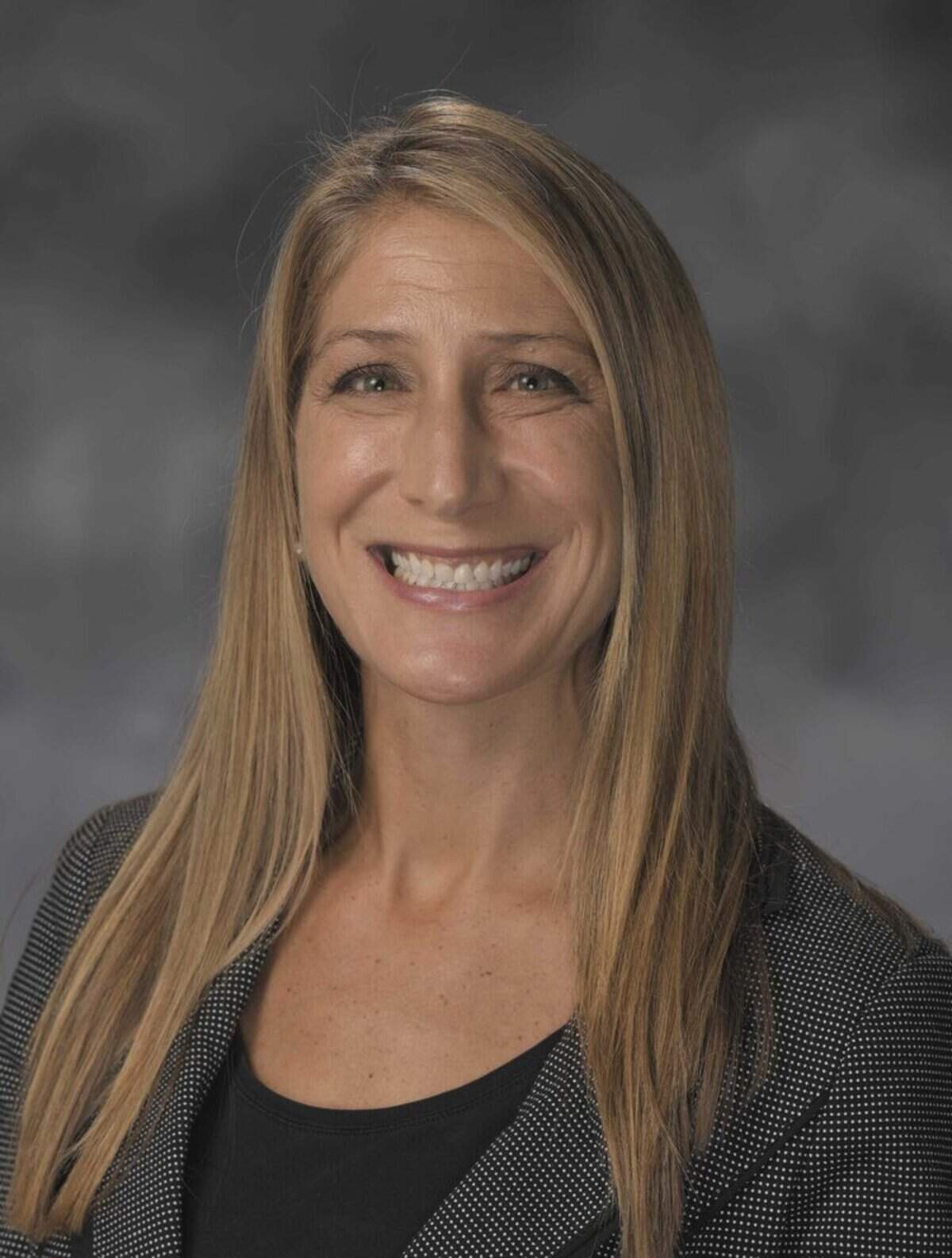
Sen. Lauren Arthur, a Clay County Democrat, has filed an identical bill, SB 1124, in the Missouri Senate. A few other bills floating around the legislature also seek to lower the taxes on diapers in the state.
If such a bill passed, Missouri would join a growing list of states that no longer tax diapers. Most are blue states, such as California and New Jersey, but Louisiana recently eliminated the tax too. A bill in Kansas introduced this session would eliminate sales tax on several hygiene products, including soap, deodorant, tampons and diapers. A preliminary estimate from that state’s Legislative Research Department found that the bill would lower state revenues by around $13 million.
“It’s long overdue,” said Jill Gaikowski, executive director of Happy Bottoms. “I think it would have a big impact on families here.”
Lewis said Rep. Mike McGirl, the Republican chairman of the House Ways and Means Committee, has “expressed interest” in the bill and was waiting to see what the fiscal impact of eliminating the tax would be. McGirl told The Star that the bill has “not been referred yet but probably will within a couple of weeks. Then I will look at the schedule for hearing (it).”
On the Senate side, Arthur said there might be some opportunities to add the legislation to other tax omnibus bills this session. “My experience is that this is the kind of tax reform proposal that Republicans might support,” Arthur said.
Lewis put a finer point on it.
“Republicans are all about tax cuts, right?” she said. “This is a tax cut that would help struggling families and babies. Who can say no to that?”