
Unemployed Missourians ask court to reinstate halted benefits as program is set to end
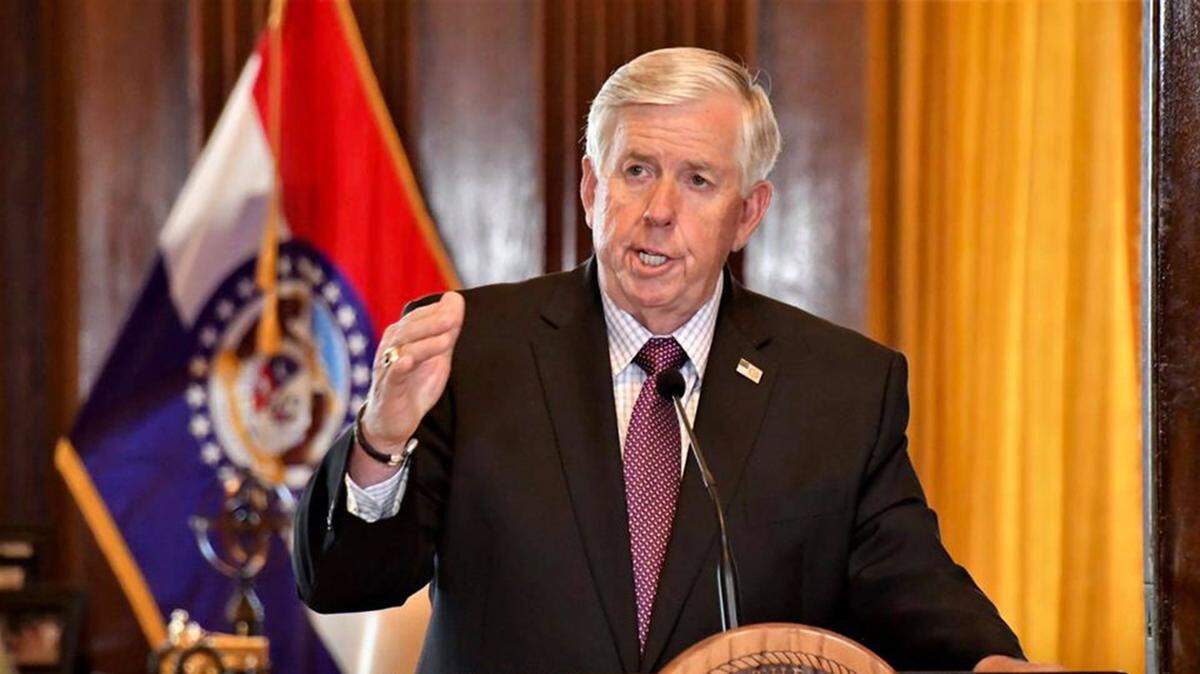
Lawyers representing Missourians who had their federal unemployment benefits cut in June, when Gov. Mike Parson pulled out of the program, headed to court to argue for their reinstatement on Monday.
The hearing in Cole County Circuit Court took place a week before enhanced benefits, which added hundreds of dollars to Americans’ unemployment checks during the pandemic, is set to end for the rest of the nation.
But plaintiffs in the lawsuit filed against the state earlier this month asked Judge Jon Beetem to rule that Missouri’s earlier withdrawal was unlawful. Attorneys hope that the Missouri unemployment recipients they’re representing can then get the federal benefits from the past two and a half months paid retroactively.
That could be $1,000 or $1,500 in federal benefits per person, said attorney Loretta Haggard, representing Missouri Jobs With Justice and five residents who lost benefits in June.
“It ain’t small potatoes for these plaintiffs who are trying to save their house and put food on the table and buy medicines,” she told Beetem.
The maximum weekly payment for Missouri’s traditional unemployment program is $320.
Parson, wanting to prod residents to rejoin the workforce amid a sluggish jobs recovery, made Missouri among the first of the states to stop payments from several federal unemployment programs in mid-June.
Programs halted included an extension of unemployment payments to workers who don’t qualify for the traditional program such as gig workers; an extension of benefits for regular recipients who have exhausted payments under the state program, and the $300 weekly supplemental payment that was added to recipients’ regular checks.
At the time, 56,000 workers were receiving regular state unemployment benefits (which would have come with the $300 supplement), according to a Department of Labor and Industrial Relations spokeswoman, and 90,500 were receiving federal enhancements.
About half of states also halted the additional benefits early, all but one of them Republican-led.
The results have been limited, economists have found.
A study released this month by researchers at Harvard, Columbia University and the University of Massachusetts found states that cut benefits experienced a 4.4% uptick in employment. But that amounted to just 1-in-8 recipients getting a job. The rest also lost benefits but remained unemployed. The average amount of earnings increases for those recipients only offset about 5% of the unemployment benefits lost, the researchers found.
Data in July indicated that while more people had begun job-searching in states that ended the benefits, hiring itself was not significantly increased.
On Monday, Jobs With Justice’s attorney Loretta Haggard, representing five residents who lost benefits in June, argued that by withdrawing from the enhanced programs, Missouri officials had violated state statutes requiring them to maximize federal funds in the unemployment program.
Jesus Osete, Missouri deputy solicitor general, said the plaintiffs did not have a right to sue to enforce those requirements, which he argued apply to the state’s traditional unemployment program, not the federal government’s optional additional pandemic benefits.
Parson “doesn’t want to see the federal government essentially dictate labor policy” in Missouri, Osete said. “He’s duly elected to make those difficult decisions for Missourians, not the plaintiffs.”
When the additional benefits end next week, the Biden administration has asked states to use their latest pandemic-related federal aid package to continue paying the benefits — an option states like Missouri are unlikely to take.
The plaintiffs in the lawsuit are unnamed Missourians who lost work during the pandemic, including a religious school teacher, a musician, two restaurant workers and a retail store manager.
The reasons they gave for remaining on federal unemployment benefits up to June included being unable to find a comparable job; continued fears of contracting COVID, lost work from quarantining over potential infections and reduced hours at their regular job.
This story was originally published August 30, 2021 at 3:02 PM.