‘We were scared’: Afghan interpreter for U.S. headed to Missouri after fleeing Kabul
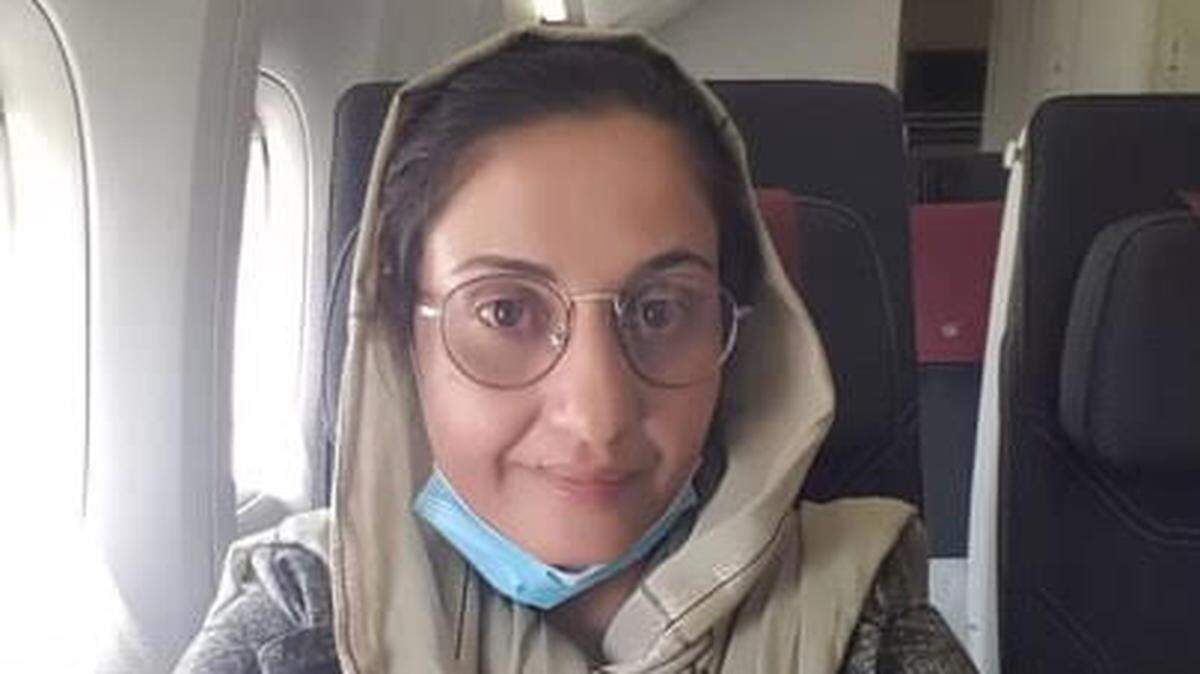
As her flight departed Kabul Sunday, the city below was swarming with Taliban, some perhaps searching for her.
It was then that Zamzama Safi finally allowed herself to feel happiness.
“I was crying so hard,” she said.
“There were rumors going around. Everybody was talking, ‘Hey, Taliban are inside Kabul,’” Safi said, describing the atmosphere at the airport. “Maybe the flight is cancelled. We were scared so much.”
Safi, 25, worked for U.S. coalition forces as an interpreter, translating for American and Afghan military personnel. Her decision to help the United States stemmed from her kidnapping by the Taliban as a teenager in 2011. Even after she was released, Safi was threatened with having to marry her abductor.
“I made the decision I wanted to leave because I was under the threat, very high threat, because Taliban wants to kill me over there,” Safi told The Star in a 30-minute phone interview Wednesday from Washington, D.C.
Afghanistan is the only country she has ever known, but it’s behind her now. The United States — specifically Missouri — is her future. She plans to settle soon in St. Louis and pursue a master’s degree.
Safi’s decision to leave was no last-minute dash, and her experience illustrates the challenges Afghans who aided the United States have faced in getting out. She decided more than a year ago and had been working with Missouri Rep. Emanuel Cleaver’s office to wade through the American bureaucracy after being connected by a constituent who had been in Afghanistan.
She’s one of the lucky ones, someone with connections to help her navigate the system. The United States is making plans to house up to 22,000 evacuees in the coming days. There have been reports of the Taliban hindering access to the international airport that effectively serves as the only way out of the country, though U.S. officials said Tuesday the Taliban have agreed to allow the safe passage of civilians.
Safi knew last week she had a spot on a Sunday flight. But as the Taliban closed in on Kabul, Cleaver’s office was still pressing to ensure she would be allowed to leave on time.
“That entire week it was emails and calls to make sure that she would get her passport and get her what they called ‘fit to fly’ — that was her last medical evaluation,” said Kyle Wilkens, the Cleaver staffer who worked on Safi’s case. “Those things happened just days before that flight.”
“I understand why it was difficult to get to anyone, but the emails were getting through,” he said. “It was just getting a timely response was difficult in that last week.”
Wilkens, who previously worked for the House Armed Services Committee, said a staffer for the committee reached out to the State Department to get a response from the Embassy, which he said “was key” in making certain Safi could board.
In an interview, Cleaver said her situation underscores the urgency of reforming the U.S. immigration system. The normal process for obtaining a special immigrant visa can take more than two years, he said.
“If we’re learning anything, I hope it is we need to put politics aside and fix this immigration system before the next crisis,” Cleaver said.
The Taliban were “actively looking for her,” Cleaver said. “It caused me to have some sleepless nights.”
Cleaver said his office is still helping to assist other individuals still in Afghanistan, though he declined to go into detail for security reasons. In Kansas, Sen. Roger Marshall has set up an email address for Kansans seeking evacuation assistance, either for themselves or Afghan allies.
Past kidnapping
Safi, who had been living in Kabul, realizes that her family are still in danger. Her mother, along with two sisters and a brother, remain inside the country. She said she’s spoken with them, but that they aren’t going outside.
“I’m so worried about them because Taliban can recognize my brother and he’s under the threat because of me: I was supporting the coalition forces,” Safi said.
In 2011, Safi, then a teen, was abducted coming out of school one day along with her brother. The Taliban tortured her, she said, and kept her for three days before her father, a former Afghan military officer, met with provincial leaders, including the governor, to secure her release.
Her captors were willing to release her brother, but not her.
“The Taliban didn’t want to send me home, so I promised them that I would get married with you guys. Let me go home first and I will come back,” she said. “I was able to escape from them.”
Safi didn’t go back and in 2013 faced threats from her former kidnapper to marry him or again face capture, TOLOnews, an Afghanistan-based news site, reported at the time.
She has no hopes for Afghanistan under the Taliban. Women who thrived over two decades of relative freedom under U.S. protection face a return to another age, she said, one with iron restrictions on their freedom, education and employment.
During the Taliban’s regime in the 1990s, women were required to cover their faces and have men accompany them outside the home.
“Afghanistan is a male-dominated country and women don’t have a lot of rights over there,” Safi said. “Still, the women are very brave and very intelligent, they were trying and struggling to get their rights and their education.”
In a joint statement Wednesday the United States, 19 other countries and the European Union said: “We are deeply worried about Afghan women and girls, their rights to education, work and freedom of movement. We call on those in positions of power and authority across Afghanistan to guarantee their protection,”
“We were so happy with the U.S. forces over there,” Safi said.
St. Louis ahead
The American withdrawal was set in motion in February 2020 when the Trump administration signed a deal with the Taliban to end the long-running war. The United States agreed to pull out military forces in exchange for promises from the Taliban that it wouldn’t harbor terror groups.
President Joe Biden has adhered to the drawdown, though the chaotic scenes caused by the Taliban’s swift advance and capture of Kabul has prompted fierce criticism that the U.S didn’t move fast enough to evacuate American citizens and Afghan allies.
“I hope that those people that they are trying to get out of Afghanistan, they’re able to do that,” Safi said. “And I hope that Germany, United States, all these countries help these people.”
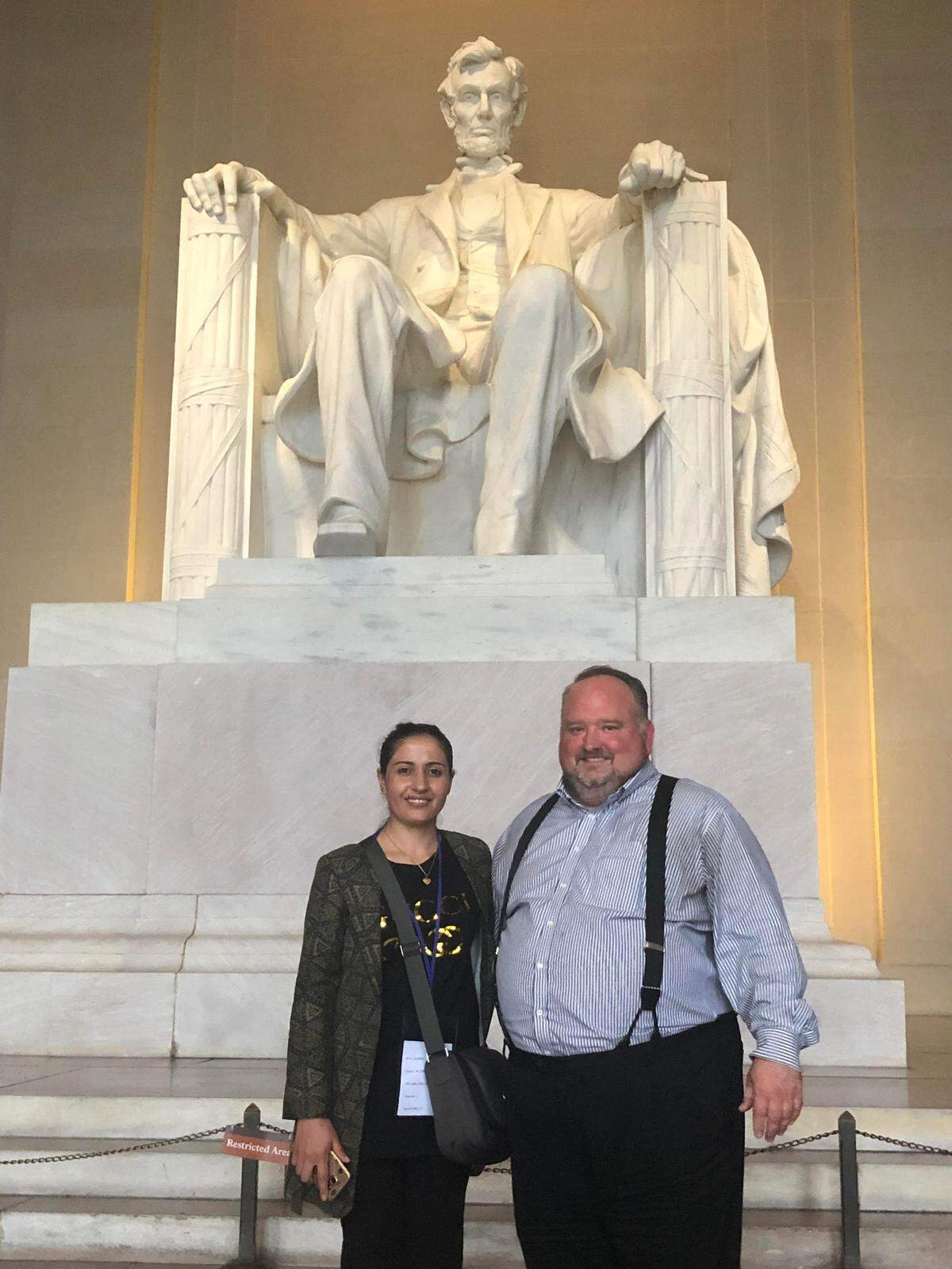
While Safi is in Washington for the moment, she will soon travel to the St. Louis area. She wants to earn a master’s degree in policy and work in intelligence. St. Louis Mayor Tishuara Jones and St. Louis County Executive Sam Page said Tuesday that the area is ready to welcome at least 1,000 refugees..
“I couldn’t sleep well over there and peacefully,” she said. “Since I’m here, I sleep well over here, very peacefully.”
McClatchyDC’s Bryan Lowry and the Associated Press contributed reporting
This story was originally published August 18, 2021 at 2:31 PM.