Kansas to implement new policies for mental health institutions after threat of lawsuit
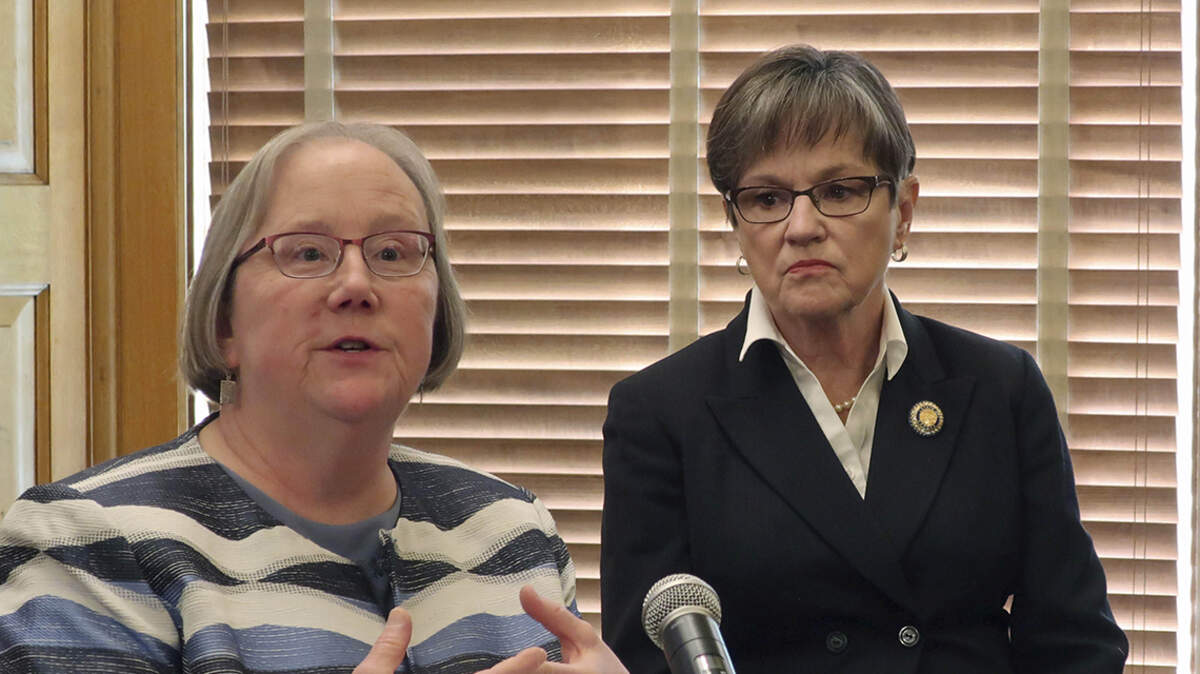
Kansas has agreed to reforms designed to help the more than 600 mentally ill people institutionalized in a state system of nursing homes move into community-based housing and treatment and to reduce the number of residents placed in those facilities annually.
The agreement, announced Tuesday, comes two years after a Disability Rights Center (DRC) investigation found that Kansas was violating their rights by supporting a system that left them languishing in state-funded, privately-operated Nursing Facilities for Mental Health (NFMH) with inadequate access to treatment or community-based alternatives.
Last year, the DRC, on behalf of the Topeka Independent Living Resource Center, sent a letter to Kansas Secretary of Disability and Aging Laura Howard and Kansas Secretary of Health and Environment Lee Norman demanding changes.
In lieu of a lawsuit, the parties negotiated a list of actions the state would take to improve the facilities and to establish better pathways for residents to leave.
Lane Williams, Deputy Director for the Disability Rights Center of Kansas, said the agreement is a “game changer” for people with mental health issues.
“This agreement realizes and reinforces that Kansans, who for whatever reason happen to find themselves in a nursing home facility for mental health that they’re not going to be forgotten, they’re not going to be an afterthought and they’re not going to be left behind to languish and get stuck in that institution,” said Rocky Nichols, executive director of the DRC of Kansas.
The accord marks the second time the Kelly administration has committed to reforms in social services when sued or threatened with litigation.
Last year it settled a lawsuit that forced changes to the Kansas foster care system.
“KDADS, Governor Kelly and the Kansas Legislature have worked hard over the past three years to improve behavioral health services in Kansas. This agreement continues us down the path of strengthening the continuum of care for individuals needing mental health services with a focus on community-based options,” Howard said. “We are pleased to make progress for individuals residing in Kansas’ nursing facilities for mental health now and in the future.”
‘Hotel California’
Kansas has 10 state-funded NFMH locations. According to advocates, it is the only state in the nation that maintains NFMHs, though other states may have systems with similar traits.
The 2019 DRC investigation found the facilities provided little rehabilitation for residents despite increased funding. At the same time, support for community mental health centers had decreased.
Of 280 residents surveyed, 69% said they wanted to leave their facility but only 9% had a plan in place for recovery and transition into community programs.
DRC and their co-counsel — the AARP foundation, the Center for Public Representation and the law firm Shook, Hardy & Bacon — argued that Kansas was in violation of the Americans with Disabilities Act for needlessly institutionalizing residents.
“In the words of a former resident of an NFMH, the way they described it, they had a heck of a time getting out. They had supportive family members and they still had a very hard time getting out,” Nichols of the DRC said. “They said NFMHs in Kansas are kind of like the Hotel California, they say you can check out any time you like but you can never leave.”
NFMHs, Nichols said, provide residents with a place to sleep and take their meds but little in the way of treatment.
The agreement announced Tuesday requires the state to ensure each resident has a case manager to help develop a treatment and discharge plan when they enter a NFMH. Residents must also be provided information about community treatment options, and supported housing and employment opportunities must expand for the targeted population statewide.
Additionally, the agreement mandates that the state screen each person entering an NFMH to determine if they could be better cared for in a community setting and ensure access to quality services is available in all parts of the state.
Funding for many of the changes is in the budget passed by the Legislature in 2022.
The state agreed to work towards reducing referrals for admission to the institutions by 10% each year for the next 5 years. Officials also pledged to reduce the number of residents with an average stay of more than six months and increase the number released to community services by 20% annually for five years.
Rep. Brenda Landwehr, chair of the House Health and Human Services Committee, said a recent bill passed to help establish Certified Community Behavioral Health Clinics in Kansas would help make these goals achievable.
However, she said, expectations need to remain reasonable and the current goals may be overly optimistic.
“We’ve reduced those numbers over the years so that shows the state’s willingness to realize that they don’t want to have people be long term in these facilities,” Landwehr, a Wichita Republican, said. “It comes down to being able to make sure that there’s proper housing because if we just release some of these folks they’re just going to end up on the homeless side of things and that’s worse than if they’re in a facility.”