Kansas City will get $195M from American Rescue Plan. Here’s how it might spend it
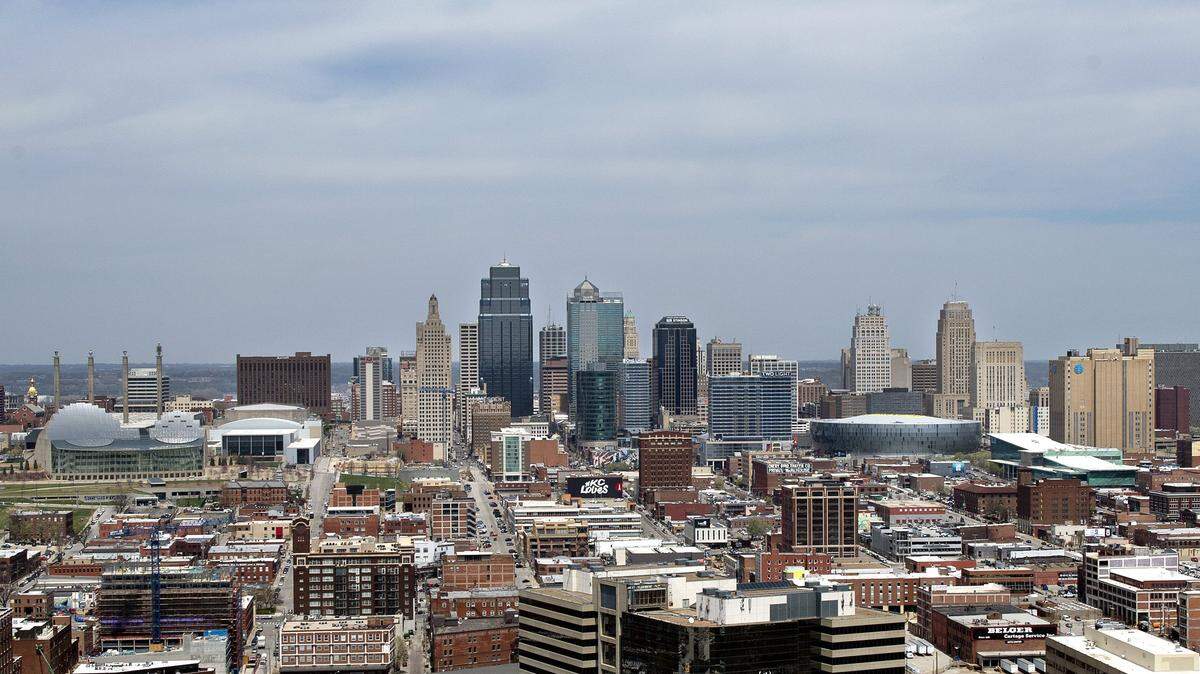
Some time in the next couple of weeks, the finance folks at City Hall will check Kansas City’s bank accounts and see a $97.5 million deposit from the federal government.
A year later, another $97.5 million deposit will be made. That combined total of $195 million to Kansas City comes from a $1.9 trillion American Rescue Plan that Congress passed in March to help the United States grapple with the costs of the COVID-19 pandemic.
A detailed spending plan emerged at City Hall this week for how it may end up spending that $195 million over the next two years. The plan illustrates how deeply the pandemic cut into City Hall’s revenues and the extent to which the American Rescue Plan spared Kansas City from difficult cuts to services.
More than half of ARP funds — $111 million — goes to replacing tax and fee revenue that was lost from the last year, which forced the Kansas City Council to spend out of its fund balances to avoid debilitating service and personnel cuts.
That leaves $83.86 million. From there, they city plans to spend $12 million for the Kansas City Health Department’s coronavirus response. Another $8.3 million is earmarked for housing and homelessness services.
Another sign of the pandemic’s effect on city finances: Kansas City is setting aside about $23 million over the next two years in anticipation of people requesting refunds on their earnings taxes.
“I think that’s very smart because I think we are going to find we have a real issue there,” said Kansas City Council member Katheryn Shields on Wednesday.
That’s in addition to the $4 million that’s been refunded so far in the current city budget, which ends on Friday.
The 1% earnings tax applies to the paychecks of anyone who either lives in Kansas City or works in Kansas City, as well as the corporate profits of companies in Kansas City. It’s an important source of revenue for City Hall’s general fund, which pays for a slew of basic services like public safety, trash pickup and street repairs.
The expected glut of earnings tax refunds is the result of people who work for Kansas City companies but live outside of city limits and who worked from home during the pandemic filing for refunds.
The ARP funds could also fill in losses to several smaller city funds, such as the parks and recreation fund, which lost $6.1 million in revenue and has made cuts in expenses.
Jack Holland, president of the Parks and Recreation Board of Commissioners, told a Kansas City Council committee on Wednesday that the ARP spending plan would help open the city’s renowned fountains, pools and spray parks for the upcoming summer season.
“We strongly support this plan, by the way,” Holland said. “We also support the inclusion of funds to the zoo, Starlight and the World War I Museum.”
The city’s ARP spending plan earmarks $1.1 million for the Kansas City Zoo, Starlight Theater and Liberty Memorial, all attractions that had their city contributions cut.
The ARP spending plan was shown to the full Kansas City Council on Thursday during its business session; no vote was taken on the plan.
But the city will have to make decisions about how to spend, or not spend, the federal stimulus money.
For example, the Kansas City Area Transportation Authority, which runs city buses and other transportation services in the metro area, lost $2.85 million from a Kansas City sales tax that provides a portion of the agency’s budget.
But the KCATA received $53.1 million from the Coronavirus Aid, Relief and Economic Security Act and council members may debate whether the agency needs more money from this latest round of stimulus.
It’s a similar situation with the streetcar fund, which supports operations and maintenance for the two-mile starter line in downtown Kansas City. The streetcar fund lost $2.6 million, but also received $1.6 million from the CARES Act and may get more money in future stimulus or infrastructure bills.
“I will not recommend the streetcar fund be restored,” said Kansas City finance director Tammy Queen, who pointed out that the streetcar fund has a healthy fund balance.
— This version corrects the original story’s amount of money earmarked for the zoo, Starlight Theater and Liberty Memorial.
This story was originally published April 29, 2021 at 5:34 PM.