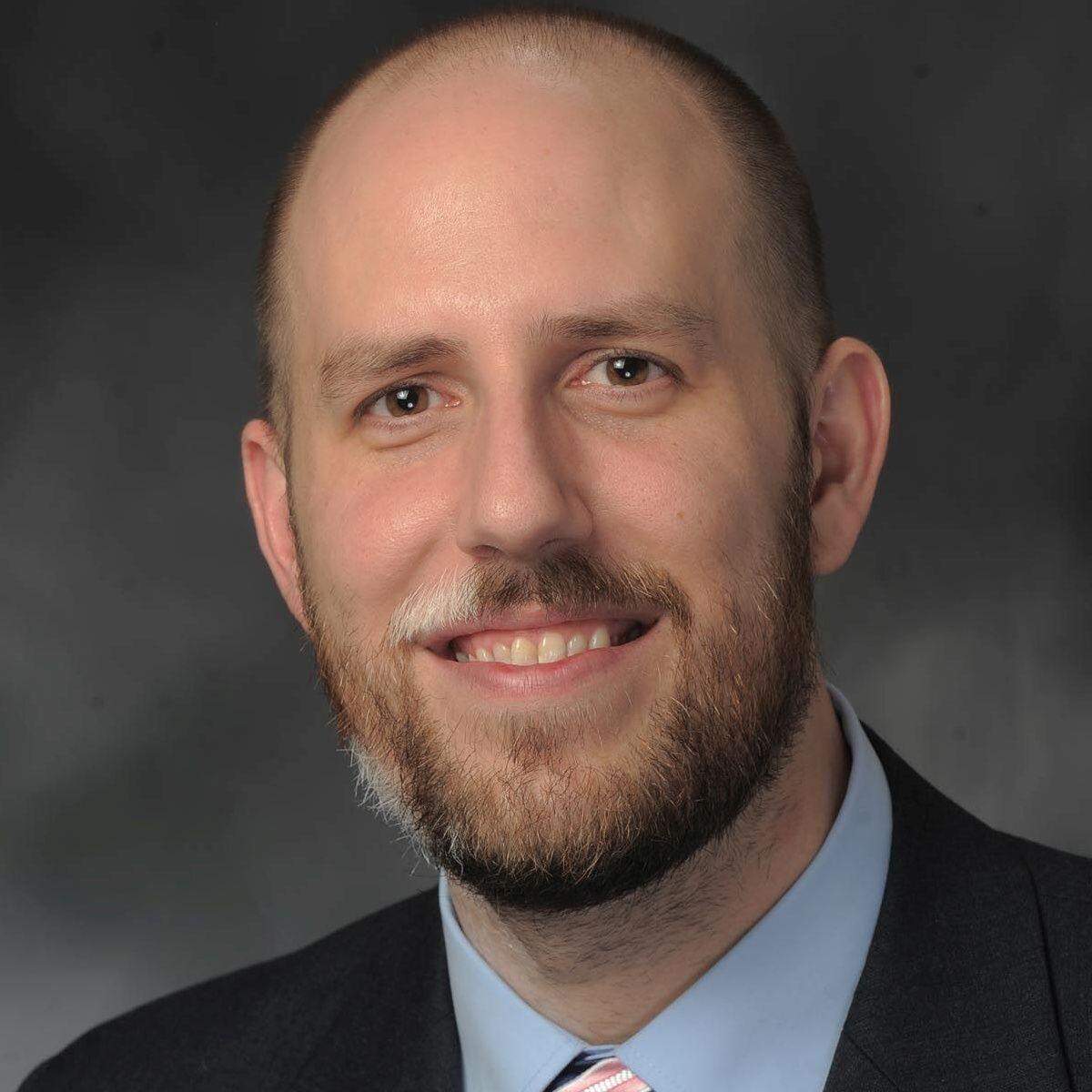
Missouri Gov. Parson clarifies comments on kids catching COVID after national criticism
After facing national criticism over comments he made last week that kids would likely contract coronavirus when schools reopen but then they’d “get over it,” Missouri Governor Mike Parson said Wednesday that he misspoke.
“These comments were not articulated very well by me,” Parson told reporters during a Capitol press conference Wednesday, “and I want to clarify.”
During a radio interview on Friday, Parson said most students would catch COVID-19 when they return to in-person classes, but “they’re going to get over it.”
“These kids have got to get back to school,” Parson said. “They’re at the lowest risk possible. And if they do get COVID-19, which they will — and they will when they go to school — they’re not going to the hospitals. They’re not going to have to sit in doctor’s offices. They’re going to go home and they’re going to get over it.”
Parson’s campaign doubled down on the comments over the weekend, with his campaign manager tweeted that “kids are not at risk.”
The comments drew national attention, as well as scorn from Democrats who accused him of being cavalier about the health of students and teachers.
On Tuesday, Dr. Anthony Fauci, the director of the National Institute of Allergy and Infectious Diseases, was asked about Parson’s comments. He said he agreed that children who get infected are less likely to get seriously ill. But he said there are exceptions to that.
“I think we have to be realistic to realize that children who get infected for the most part don’t get serious illness but some children do get seriously ill and some do pass it on to the adults,” Fauci said during a CNN interview. “So I think we have to be careful when we talk about that.”
Parson told reporters on Wednesday that “what I said didn’t come out the way I intended.”
“What I was trying to say is there is a very real possibility that there could be COVID in our schools, and we want to be prepared for that,” he said.
He stressed that his daughter is a teacher, and “as a father, I worry about her, like any parent would.”
He stressed that decisions about whether or not to conduct in-person classes will be left to local officials.
“No one size fits all approach will work across the state of Missouri,” he said. “Each district will look differently.”
Sean O’Leary, a professor and pediatric infectious disease specialist at the University of Colorado’s School of Medicine, told The Star on Monday that decisions to reopen schools should be done in conjunction with local and state public health officials based on how much coronavirus is spreading in the surrounding community.
“If there is widespread community transmission, even with extensive mitigation measures in place, it’s inevitable that outbreaks will happen within schools,” he said, later adding: “If, on the other hand, there is very little transmission, with proper mitigation measures in place, the risk of significant outbreaks within schools is much lower.”
For the second day in a row on Wednesday, Missouri set a record for the number of new positive COVID-19 cases.
The rate of hospitalization due to COVID-19 in Missouri is not clear because the federal government instructed all hospitals last week to stop reporting coronavirus data to the CDC.
Both Parson and Randall Williams, the director of Missouri’s department of health and senior services, said they expect the number of hospitalizations to be up when numbers are finally reported, likely next week.