Just 35% of these Kansas kids graduated high school this year. How a new law could help
In the waning hours of the 2020 Kansas legislative session, lawmakers approved a measure that could finally address one of the key hurdles facing children in foster care.
An annual report card would track the academic progress and educational outcomes for foster children, who graduate at a rate that is just a fraction of their peers. The data would be collected the first of every year and shared with legislators.
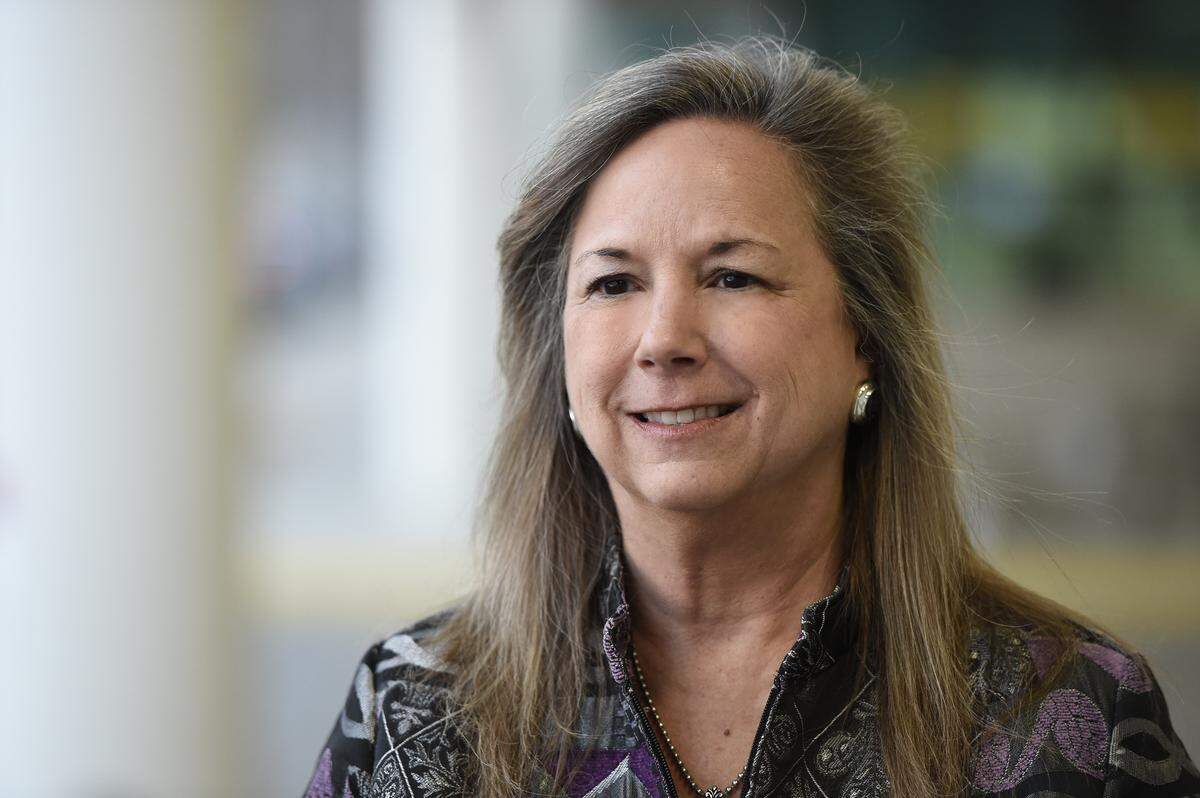
“This for the first time will shine light on what we are and aren’t doing for those nearly 8,000 kids who are in custody of the state,” said Sen. Molly Baumgardner, R-Louisburg, who as head of the education committee championed the legislation. “ …. You can’t set goals if you don’t know where you are here and now.
“Trust me, this report card isn’t going to just be signed and returned, it will receive a lot of scrutiny, and I think it will help us move away from this is just one agency’s responsibility, it’s all of us together.”
The legislation, part of a package of educational proposals bundled into one bill as the clock ticked down on the session, went to Gov. Laura Kelly last week.
A spokeswoman for Kelly said the governor is reviewing the bill.
“Since her days in the Kansas Senate, the Governor has been steadfast in pursuing ways to put all Kansas children in foster care on a positive trajectory,” said Lauren Fitzgerald in an email to The Star on Thursday. “Making sure they receive a good education is critical to their success.”
In addition to the report card measure, the bill contains two other proposals that will help foster children obtain higher education at no cost to them or their foster or biological families.
The Kansas Promise Scholarship Act will provide scholarships to attend a two-year associate program or technical college for students who have been in foster care at any time from grades 6 through 12. Another measure would provide tuition waivers for eligible high school foster youth also enrolled in a post-secondary institution.
The package passed the House on a 110-3 vote, and the Senate approved it 36-3.
The report card proposal was modeled after an Indiana law that was highlighted in The Star’s December series on the dismal long-term outcomes for many foster children nationwide. If the bill is signed into law, Kansas would be among a handful of states that require such accountability for foster children.
In its year-long investigation, Throwaway Kids, The Star included a survey of prison inmates nationwide that found of the nearly 6,000 who responded in 12 states, 1 in 4 said they had been in foster care. Of that group, 16 percent said they received a high school diploma, and an additional 29 percent earned a GED.
Across the nation, the graduation rates for foster children are significantly lower than for all other “special population groups,” including homeless students and those with disabilities.
Many former foster kids told The Star that school was not a priority when they were dealing with so much trauma.
“School can oftentimes be that one experience for stability,” Baumgardner said. “This lets those foster kids know that Kansas cares.”
For fiscal year 2019, about 39 percent of Kansas kids in foster care graduated from high school — which was one of the lowest rates in the country. The current rate in Kansas is even lower, about 35 percent.
Maggie Stevens, a child advocate whose organization pushed for the report card in Indiana, said it was encouraging to see another state invest in the education of foster children.
“I am excited to see that Kansas has followed Indiana’s lead and prioritized the education outcomes for students in foster care and am eager to see what policy makers and educators will learn about these students and, more importantly, what they will do to support these students as a result of this report card,” said Stevens, president and CEO of Foster Success.
“Getting the legislation passed is an important first step, but creating systemic change once you have the information will be even more important.”
The Kansas bill would require a report each year detailing the academic progress and classroom struggles of kids in state care. The state Department of Education would work with the Department for Children and Families to prepare the report and submit it each January to education committees in both legislative chambers.
Included in the report card would be graduation rates of Kansas foster kids, suspension rates and standardized test scores.
“This is a positive forward step in a state that has historically been far too closed to outside attention,” said Lori Ross, founder and CEO of FosterAdopt Connect and a long-time child advocate in Kansas and Missouri. “I think that anything that provides data driven information to the public is helpful in terms of engaging the community in committing to the needs of kids who have suffered abuse and neglect.
“Foster care is not just a family mission and a state responsibility. Foster children live in every community and they are the responsibility of our whole state.”
Each category on the report card would include race and ethnicity data. That’s an addition that Kansas Appleseed Center for Law and Justice pushed for.
Quinn Ried, policy research analyst for Kansas Appleseed, said child welfare needs more transparency and data that show where improvements are needed. Baumgardner’s leadership has been crucial, he said, in championing a public report card for children raised by the state.
“I don’t think that a lot of people are aware of what is going on in the education system for foster kids,” Ried said. The new report card would be “just fostering an overall culture of transparency that needs to exist.”
Once the information is known, he said, it should give organizations like Kansas Appleseed the ability to “mobilize people around this information, get them motivated and aware.”
The leader of the state’s child welfare agency told The Star that she supports having an annual report card showing how foster kids are doing in school.
“I think it’s important that we have this information and that the school districts have this information,” said Laura Howard, secretary of DCF. “Their success in education is a real predictor for their success in life.”
In Indiana’s report card law, which the Kansas proposal is modeled after, the state Department of Education is responsible for submitting the information and subsequently coming up with a plan to improve the academic outcomes. In Kansas, the Department of Education and DCF would work together to create the report card.
Howard said she doesn’t think that will be a problem. At least under her watch, she said.
“I feel like we all collectively need to own this,” Howard said. “I think it just puts the onus on both of us.
“We both have an obligation to collaborate and get this done.”
Stevens said Foster Success received the second set of education outcomes data for Indiana this month.
“The first year’s data was eye-opening and created conversation, but action and change has been slow,” she said. The latest set of data, she said, “has further confirmed already dismal outcomes for Indiana’s foster youth.”
In the coming months, Stevens said, Foster Success will dig further into Indiana’s data to understand trends and identify additional items that should be included in the state’s annual report. The organization also will work on ensuring that school districts are getting proper notification when students in foster care enroll in their schools.
“We recently have learned that while the Indiana Department of Education is collecting information about which students are in foster care, the information is not getting passed to the local schools or school corporations, so school administrators and teachers still can not identify all foster care students in their classrooms,” she said. “This is a necessary first step to change the outcomes.”
Another component of the bill passed last week, the Kansas Promise Scholarship Act, would provide scholarships for students to attend a two-year or technical college.
To be eligible for a scholarship, a student must be in grade 12, be a high school graduate within the past 12 months or have been in foster care in any of grades 6 through 12.
To continue receiving the scholarship, students would have to complete 100 hours of community service annually or be employed part-time. They also would be required to maintain a cumulative grade point average of 2.0 or greater.
Those receiving scholarships must, within six months of graduation, either work in Kansas for at least two years or enroll as a full-time student in a public or private post-secondary educational institution, then upon graduation work in Kansas for at least two years.
Implementing the scholarship act would cost $17.3 million from the state general fund for scholarships in fiscal year 2021, according to the Division of the Budget. The program would have to be evaluated annually and reauthorized after five years.
The Kansas bill also expands the state’s Foster Child Educational Assistance Program to provide tuition waivers for high school foster youth who are jointly enrolled in a post-secondary institution.
The program would authorize school districts to pay for any costs that are not waived, such as for fees, books, materials and equipment.
Baumgardner said she hopes more states, such as Missouri and other neighboring ones, push for a foster care report card and provide help to allow kids in state care to receive a higher education.
“We know Kansas isn’t the only state, Indiana isn’t the only state, that struggles with foster care,” she said. “When this becomes law and we put this into practice and we get that report card… it can start to create this ripple effect and that’s what we need.
“This isn’t data that’s going in a book and on the shelf,” Baumgardner said. “This is data to use. … To me, it’s exciting that Kansas will be able to be a leader in improving our foster care system.”