Unsure that medical equipment was sterile, Wichita VA quietly shut operating rooms
Fearful that patients might be exposed to dangerous infections, the Veterans Affairs hospital in Wichita shut down its operating rooms for more than a week, canceling dozens of surgeries.
The Jan. 31 decision came after months of uncertainty over whether a new sterilization unit was operating consistently to ensure that medical instruments were sterile enough for doctors and nurses to safely use them during surgery.
The decision to postpone surgical procedures indefinitely at the Robert J. Dole VA Medical Center came after staffers expressed concerns to management the last week of January about the air handling system in a room where medical instruments are cleansed of bacteria.
Those doubts centered on whether air pressure within a sealed area was sufficient to keep external air from contaminating the sterilization processing system with micro-organisms from outside the secure area.
Contamination could cause infections to spread in patients who were being operated on.
“This decision was made out of an abundance of caution,” the Wichita VA said in a written response to The Star’s inquiries about the move to curtail surgeries, a decision that was not announced publicly.
The email from public affairs officer Akeam Ashford said the shutdown has caused no harm to patients who had been scheduled for surgery during the shutdown.
“There has been no negative impact on patient care,” Ashford’s email said. “Veterans have been provided care at VA expense through community providers or re-scheduled.”
Fifty-eight surgeries were canceled. Of those, 49 were rescheduled and nine patients went elsewhere for their operations.
Surgeries are set to resume on Monday now that the medical center has fixed the problem.
It’s unclear how long the air handling system was operating improperly before the decision to shut down the operating rooms. But the system had been an issue of concern since the fall, The Star learned.
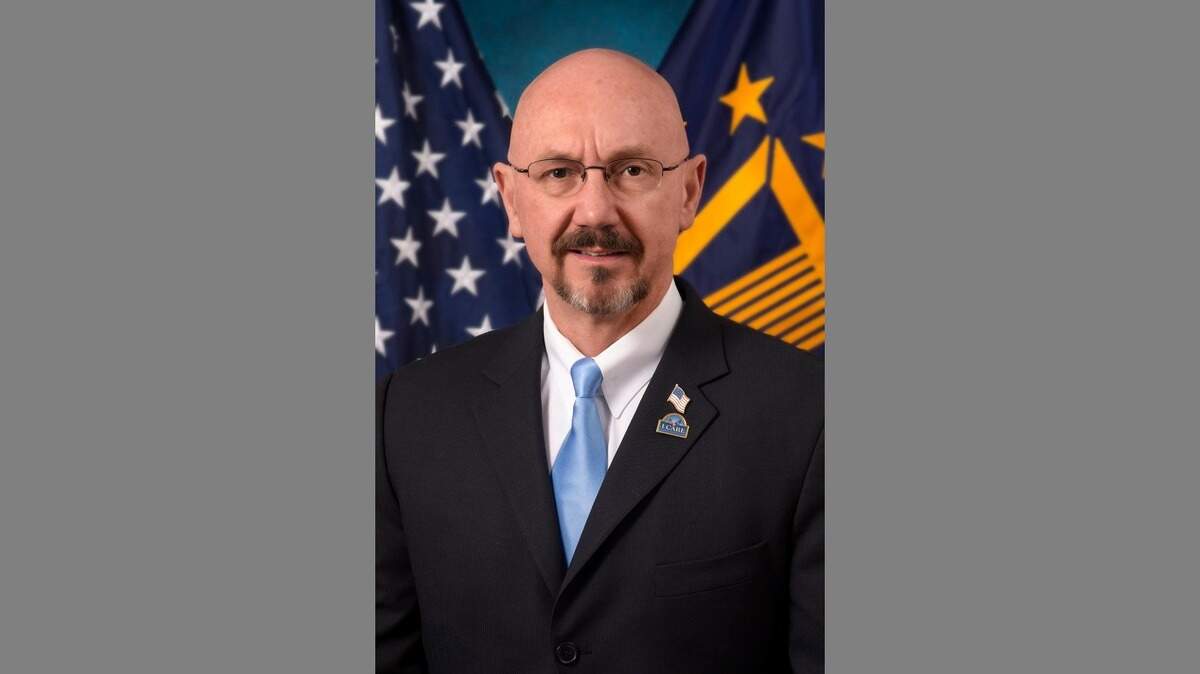
At a private meeting with medical center staff on the first day of the shutdown, Dole medical center administrator Rick Ament acknowledged that one or more employees had raised concerns about air pressure measurements prior to his order to suspend surgeries.
Those concerns coincided with the hospital’s use of a newly constructed sterilization processing system that is part of a $10 million renovation of surgical facilities. Staffers weren’t sure whether the sterilized medical equipment would be free from exposure to bacteria after it was removed from heated pressure chambers known as autoclaves.
Meeting recorded
Staffers found the new air monitoring apparatus confusing, Ament said during the Jan. 31 meeting, which one of the participants recorded and passed a copy of the recording onto The Star through an intermediary.
On the recording, Ament summed up their uncertainty this way: “Is it the accuracy of that monitoring device or is it truly the airflow that’s being put out? Which is it? We didn’t know for sure.”
Subsequently, other monitoring equipment was brought in and confirmed that the unit was not performing properly all the time. One staffer explained in the meeting that when the pressure was insufficient, no sterilization took place. Other times it worked fine, but the performance was spotty.
“We’ve been working on this issue since November because we knew we were just trying to get everything, you know, activation takes time,” Ament told his staff. While working out the kinks, Ament said he gave one of his subordinates authority to tell him when she was no longer comfortable using the sterilization unit.
“She did it yesterday,” Ament said at the Jan. 31 meeting. “So yeah, we’ve been working on it since November, but we didn’t feel comfortable as of the discussion yesterday.”
After that, Ament said he immediately put a stop to all surgeries until the cause of the problem could be identified and a fix made.
On the recording, a woman asks Ament whether patients had been put at risk before he decided to suspend surgeries.
“Our understanding is we’re not at risk,” he said. “However, we can’t guarantee that we’re not going to have a problem going forward because of what we’ve identified the last couple of days. So why assume future risk until we get it fixed?”
At another point during the meeting, he returned to the topic of risks to surgical patients prior to the shutdown:
“Everybody’s saying they feel confident that up until this point, we’ve been good. But with the readings yesterday (Jan. 30), people were scared and we said if that’s the case, this is the time to do it (shut down the operating rooms).”
Ament said the hospital had three choices while the system was being fixed: bring in a mobile unit temporarily to handle sterilization; farm the work out to either the VA hospital in Topeka or private hospitals in Wichita, which could have posed a contamination risk; or continue working on ways to keep external air from getting into the pressurized room. He chose the latter.
It’s clear from the recording that the Wichita VA had no intention to announce there had been a problem, unless asked about it by the news media.
“Now here’s the story we have ready to go, if needed,” Ament said. “Basically our staff have identified with the new construction that there may be a potential for, going forward, to be safe for the veterans and the staff of shutting down surgeries until we are sure that veterans are safe. Something to that effect.”
When informed Friday that The Star had a copy of the recording, Ament confirmed in a phone conversation that the recording was authentic, but said his motives were pure when he decided not to make the problem public. Rather than trying to cover anything up, he said, “we didn’t want to cause mass hysteria” that the hospital had a quality issue when there wasn’t one.
But now that the issue has been made public, he said he considers the incident to be “a good-news story” that demonstrates the VA’s willingness to act on employee’s legitimate concerns.
He said the problem with the system was remedied by “tightening up” the sterilization room, filling gaps around doors and floorboards and the like.
Doctor fired
In an unrelated development, Ashford confirmed that one of the hospital surgeons, urologist Christel O. Wambi-Kiesse, was fired on Jan. 19.
The medical center announced late last year that it was taking steps to terminate Wambi-Kiesse, who became the subject of an internal investigation after The Star reported in late August that Missouri’s medical licensing board was seeking to discipline him for botching at least three surgeries while working at a Kansas City-area urology clinic.
Those 2013 surgeries, which led to a woman’s death and serious complications for at least two other patients, occurred before the VA hired him in 2014.
The agency explained its reasons for wanting to fire the 44-year-old Overland Park doctor in a written statement issued at the end of December: “VA has made clear that it will hold employees accountable when they fail to live up to the high standards Veterans and taxpayers expect, and that’s exactly what we’re doing in this case.”
The disciplinary action against Wambi-Kiesse filed by the Missouri Board of Registration for the Healing Arts remains pending before the state’s Administrative Hearing Commission. He could potentially lose his license to practice medicine, which was recently renewed and is current through Jan. 31, 2021, according the Missouri Division of Professional Registration website.
This story was originally published February 8, 2020 at 5:00 AM.