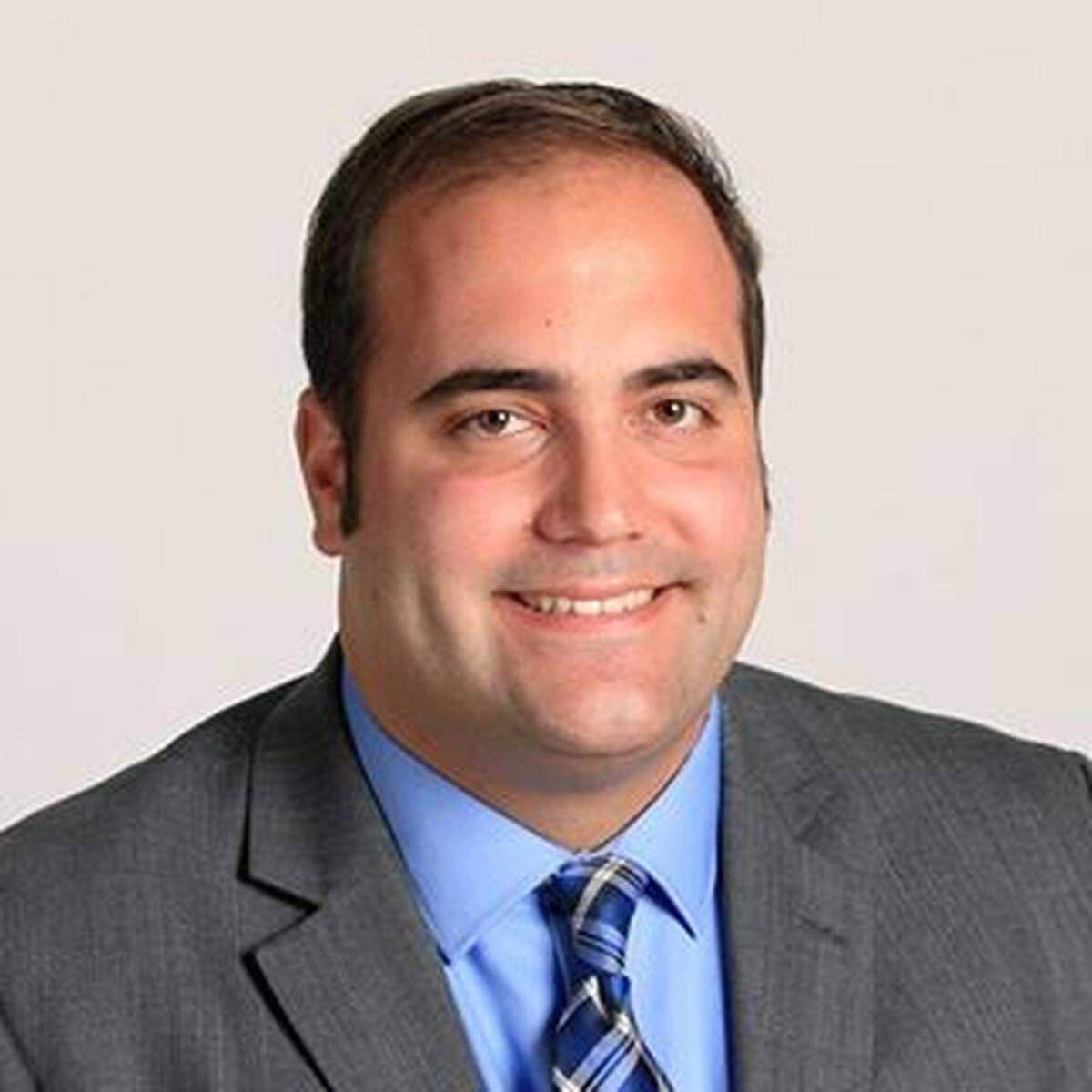
‘This is tough work.’ Pat Roberts braces for another grueling impeachment trial
There have been three presidential impeachment trials in the nation’s history and Sen. Pat Roberts has been a juror for two of them.
In 1999 the Kansas Republican, serving the first of his four Senate terms, voted to remove Democratic President Bill Clinton from office for perjury and obstruction of justice.
More than two decades later as he prepares to retire, Roberts again finds himself a juror as the Senate weighs whether to remove Republican President Donald Trump for abuse of power and obstruction of Congress.
“It was tough last time… This is not pleasant. The circumstances are not pleasant by any means but you just have to persevere,” Roberts said when asked how his experience from the Clinton trial would guide his role as juror this time.
Other GOP senators from the region, Sen. Jerry Moran of Kansas and Sen. Roy Blunt of Missouri, both voted to impeach Clinton as members of the U.S. House.
Roberts and Blunt were two of a handful of GOP senators to arrive at the Capitol Wednesday morning for an event celebrating last week’s passage of the USMCA trade agreement. They hadn’t had much sleep—the first day of the Senate trial lasted until 2 a.m. after a marathon debate over the trial’s rules.
The event highlighted GOP lawmakers’ desire to celebrate legislative victories at a time when the impeachment trial promises to amplify partisan tensions.
“I hope that we can get through this impeachment business and still come back together in some fashion. The blanket of comity in the Senate is pretty thin. We had Kavanaugh and now we have this,” Roberts said, referring the bitter fight over Supreme Court Justice Brett Kavanaugh’s confirmation in 2018.
The trial, which requires senators to remain on the Senate floor for long hours, has been physically grueling for the 83-year-old Roberts, still recovering from recent back surgery and set to retire at the end of this congressional session after four decades in Congress.
“I am bushed,” Roberts said Wednesday morning after the long night.
Roberts said he’s been taking thorough notes, but joked that when he looks at his notepad he can spot moments he dozed off when his writing becomes illegible. Roberts’ spokeswoman said despite the senator’s comments he has not actually dozed off during the trial.
“This is tough work, especially yesterday when it got a little out of hand toward the end,” Roberts said.
Tensions built through the long night as Roberts and every other Republican senator voted down a series of proposals from Senate Minority Chuck Schumer, D-New York, to subpoena documents from the White House and to call witnesses for the trial.
Around 1 a.m., Chief Justice John Roberts admonished both sides to keep their language civil after House Judiciary Chairman Jerry Nadler said that Senate Republicans would be guilty of a cover up if they failed to collect the necessary evidence or call witnesses.
Sen. Josh Hawley, a Missouri Republican who worked as a clerk for the chief justice, said he’s “never heard him deliver an admonishment like that from the bench ever.”
Roberts, the Kansas senator, said Republicans were voting to move onto the next step of the process— opening arguments, which officially began Wednesday afternoon— but that they haven’t made a firm decision about witnesses. It’s an issue they’ll return to later in the trial.
“I don’t think there’s any question about whether I’m open to it or not, that’s what we’re going to do. And that was part of the package. I was a little incredulous. I mean, Chuck Schumer knows this,” Roberts said. “And I think that whole House team knew this that we were going to come back to questions, see what’s pertinent and if we can reach an agreement. All we did was set it aside.”
The Kansan noted that he worked as a congressional staffer in 1974 when President Richard Nixon faced impeachment proceedings because of the Watergate scandal. Nixon resigned from office before he could be impeached.
He contrasted the push to oust Nixon, which had bipartisan support, with Clinton and Trump’s impeachments, which in both cases highlighted partisan divisions on Capitol Hill.
The Democratic-controlled House impeached Trump along party lines and it’s widely assumed that the GOP-controlled Senate will vote to acquit the president when the trial concludes.
“We owe this process to keep an open mind and we owe this process to fully listen to our colleagues across the aisle— unless they get too bushy-tailed,” Roberts said.
“I think some of this is political. I think you heard (House Judiciary) Chairman (Jerry) Nadler say the ‘cover-up’ word about 15 times and ‘treachery,’ and few other things, which was really unfortunate. But we owe the process to hear everything out and then go from there.”
McClatchy’s Ed McKinley contributed to this report.
This story was originally published January 22, 2020 at 2:19 PM.