New KC budget: Usual boosts for police, fire but possible end to big sewer rate hikes
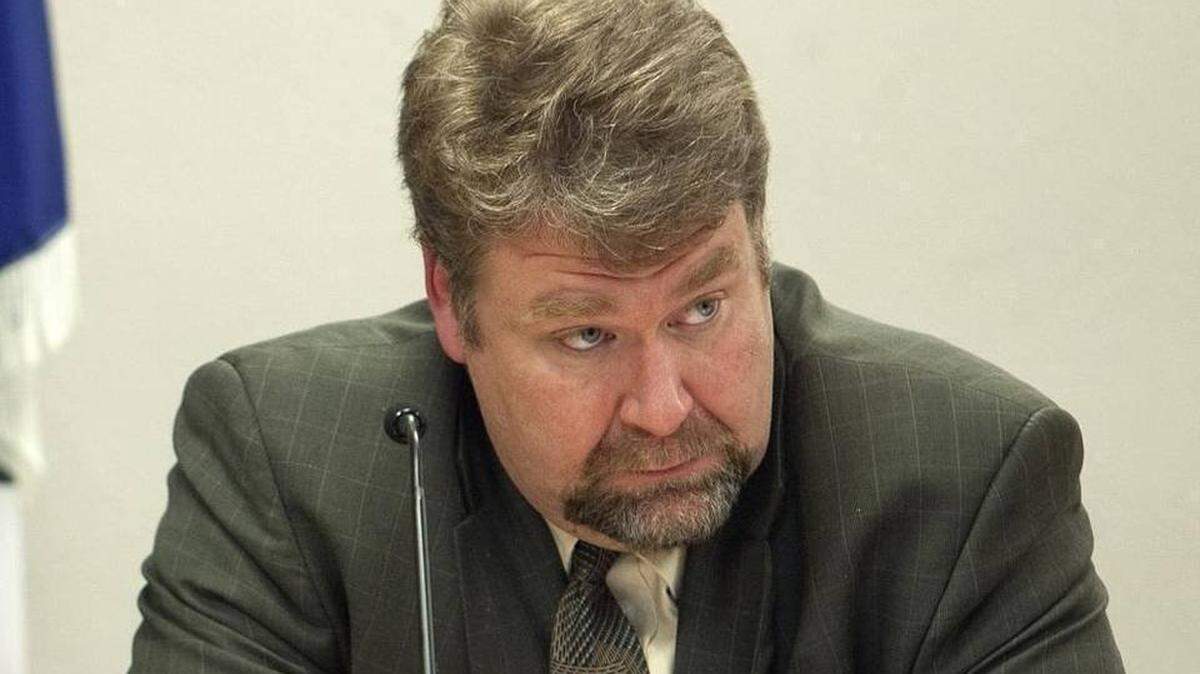
Public safety spending still dominates City Hall’s budget, but Kansas City’s financial blueprint for next year also adds new funding for neighborhoods, health and other city services.
Another new wrinkle in the 2020 spending plan: a possible end to double-digit sewer rate increases.
Mayor Sly James and City Manager Troy Schulte released their annual budget proposal Thursday for the fiscal year that begins May 1, predicting revenue growth of 4.1 percent over the current year.
Overall city spending would grow 3.6 percent. Spending on general government activities — all the city’s services outside the aviation and water departments — is projected to grow 4.4 percent to $1.12 billion.
To make ends meet, James and Schulte propose using $9 million from the city’s reserve fund, a move they acknowledge is “manageable in the short run and but unsustainable in the long term.”
Budget director Scott Huizenga, who briefed the City Council on the plan Thursday afternoon, said growth in earnings tax collections has helped drive the budget’s size. In the last four years, he said, revenue has increased by 18 percent.
“The growth in these particular areas combined with, I think, the city’s commitment to sound fiscal and strategic planning...really put us in a position of strength to, again, reinvest in some of those basic services that have been underfunded for many years,” Huizenga said.
Kansas Citians have been hammered by skyrocketing sewer service rates, driven by a $5 billion consent decree the city signed with the Environmental Protection Agency in 2010 mandating an infrastructure overhaul.
Under Thursday’s proposal, sewer rates would rise by 6 percent and the cost of water service by 2 percent. It means the average residential bill would rise from $102.23 to $106.65.
But there’s a sizeable “if” involved.
Schulte said the proposed water and sewer rates assume the city can renegotiate that EPA decree to give it more time to replace aging pipes and restructure how it spends the funds. He said he hopes they’ll have a deal with the federal agency by this summer.
“This budget kind of anticipates that we’ll be successful in those efforts,” Schulte said. “If we’re successful, the days of dougle-digit sewer increases will be behind us.”
Public safety (police, fire, ambulance), which accounts for more than 75 percent of the city’s general operating fund, would grow $21.2 million, or 4.7 percent, under the proposal. It adds $26.1 million to all other city services, except aviation and water, which are funded by user fees.
Kansas City police would receive $7.3 million, or a 2.9 percent boost, to cover wage and benefit hikes, pension and health insurance increases, equipment maintenance and other priorities. The budget does not call for any additional police officers. More than 20 new officers and dispatchers were added last year.
The Kansas City Fire Department would get a 7.6 percent hike. About half of the $13.3 million would cover rising wage, benefit and pension costs. The budget proposes adding 21 positions, including 15 firefighters and three communication specialists.
The last two budgets (2018 and 2019) called for increased spending on public safety, as the city grappled with a spike in homicides. It left little to no new money for other city departments. The picture this year is somewhat different.
Schulte said this budget proposal was the first in close to 10 years that didn’t call for cuts in departments outside of the public safety sector.
“What we tried to do is kind of say — can we figure out a way to continue to invest in public safety without having to scale back other programs?” Schulte said. “Whether it be solid waste, whether it be neighborhood preservation, animal control, those types of issues, which we’ve historically squeezed.”
Neighborhoods and Housing Services — one of the smaller portions of the overall budget — will get another 8.4 percent.
Included in that budget, which totals $59.4 million, is $10 million to pay debt on the city’s dangerous building demolition program. It proposes another $3 million to continue that work, part of the “Revive the East Side” plan sponsored last year by Councilman Scott Taylor, 6th District at-large, who is running for mayor.
Two new staffers will be added to enforce ordinances against illegally dumping trash and other items. Another previously eliminated post to coordinate neighborhood cleanups will be restored.
Schulte said the city typically pays for about 35 code inspectors, but would fully fund the 45 the administration thinks it needs.
Councilman Jermaine Reed, 3rd District, said he wanted to highlight the extra funds for neighborhoods, though he noted he didn’t think it was enough.
“This is something that when we’re out in the community we’re hearing from many of our constituents this is the thing that they care about the most — about what’s happening in my front yard, what’s happening on my block, what’s happening within my community,” said Reed, who is also running for mayor.
The budget didn’t include a $75 million housing trust fund requested as part of the sweeping housing policy the City Council is working to pass. Schulte said his office was working to identify revenue streams for the fund, which would help create and preserve affordable housing units.
Transportation priorities will get a 5.1 percent boost for bus and streetcar operations.
The budget adds another $8.7 million to repair and repaint streets, create crosswalks and improve garages. Street preservation funds would increase $6.4 million, more than doubling that budget as city drivers cope with potholes left by the harsh winter. The general obligation bond package voters approved last year will bolster street reconstruction with $24 million.
Kansas City finished its last fiscal year April 30 with reserves totaling more than 17 percent of the general revenue expenditure budget, a key milestone. This year’s budget projects an ending balance of more than $105 million, which represents more than two months of operating expenditures in the bank.
Now, it’s time for council members to get to work on the budget. They’ll introduce ordinances next week that mirror Schulte and James’ proposal and debate them for about a month. The final budget will be adopted in late March.
In the meantime, the city is taking public feedback on the budget proposal. Residents are invited to comment on the budget at public hearings on the following dates:
▪ Tuesday Feb. 19, 6 to 8 p.m. at the Southeast Community Center multipurpose room, 4201 E 63rd St.
▪ Thursday Feb. 21, 1 to 3 p.m. at the Kansas City Police Department headquarters community room, 1125 Locust St.
▪ Saturday Feb. 23, 9 to 11 a.m. at the RB Doolin Center board room, 1856 NE 46th St.
▪ Saturday March 2, 9 to 11 a.m. at the Gregg/Klice Community Center multipurpose room, 1600 John Buck O’Neil Way
This story was originally published February 14, 2019 at 1:37 PM.