
‘Putin is a thug,’ McCaskill says after reported Russian hacking attempt against her
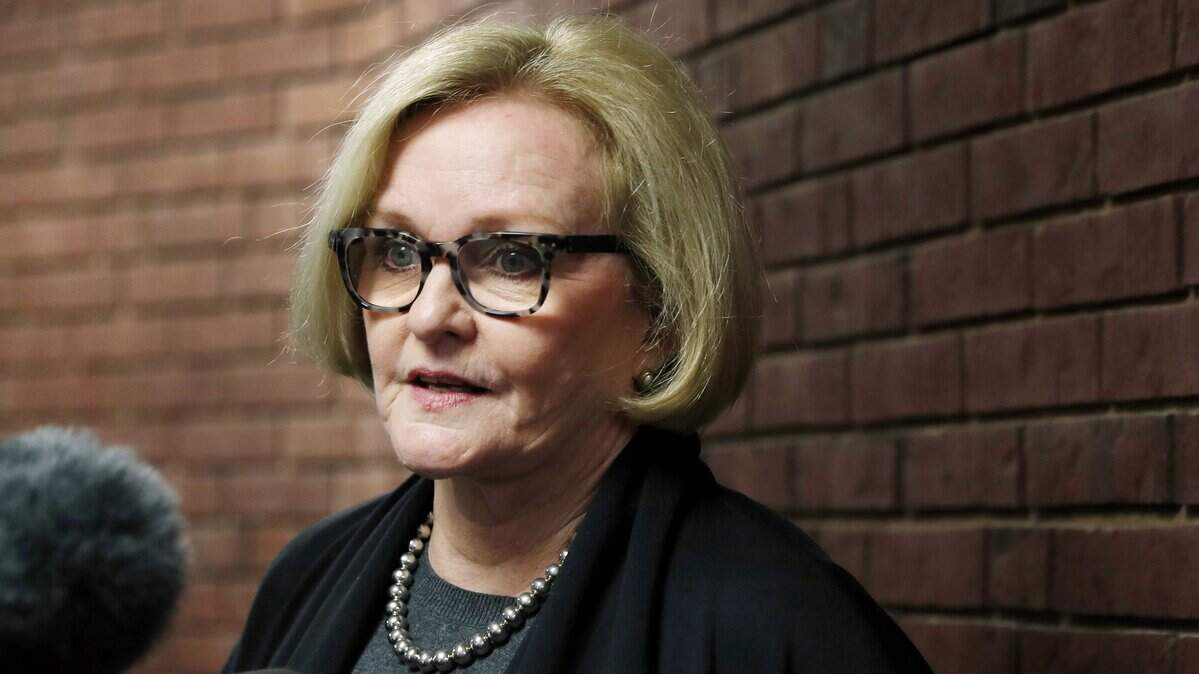
U.S. Sen. Claire McCaskill called Russian President Vladimir Putin a thug after it was reported that Russian hackers targeted the Missouri Democrat’s office last year.
McCaskill said in a statement that the attack, which was first reported Thursday by The Daily Beast, was unsuccessful.
“Russia continues to engage in cyber warfare against our democracy. I will continue to speak out and press to hold them accountable,” she said. “While this attack was not successful, it is outrageous that they think they can get away with this. I will not be intimidated. I’ve said it before and I will say it again, Putin is a thug and a bully.”
The Daily Beast reported that the hacking attempt against McCaskill occurred around the same time President Donald Trump made his first trip to Missouri as president and urged a crowd in Springfield to vote McCaskill out if she did not back the president’s tax plan.
McCaskill has widely been seen as one of the most vulnerable Democrats in the 2018 election cycle as she pursues re-election in a state Trump won by double digits.
Trump has aggressively supported Missouri Attorney General Josh Hawley in his campaign to unseat the incumbent Democrat.
“Russia is a bad actor and we should not tolerate or ignore their attempts to disrupt either American commerce or democracy,” Hawley’s campaign spokeswoman Kelli Ford said in an email Friday morning.
“Senator McCaskill is fortunate that her staffer did not click on the link and give away her personal information and passcodes. This is an important reminder that scam emails and malicious phishing can target anyone.”
The Daily Beast reported that the hackers sent emails to Senate targets informing them their emails had expired, a phishing scheme similar to the one used against Democratic presidential candidate Hillary Clinton’s campaign chair, John Podesta, during the 2016 election.
A day before the hacking attempt against McCaskill became public, her fellow Missouri Democrat, U.S. Rep. Emanuel Cleaver, expressed concern that Russia would seek to interfere in the mid-term elections, which will decide control of the U.S. House and Senate.
“The Russians have not retreated at all since 2016. We will very likely find their fingerprints all over the 2018 elections,” Cleaver said.
Cleaver criticized Trump and congressional Republicans for not doing more to protect against the threat of Russian influence on elections.
“It’s almost like this is part of our political process now. … We’re not doing anything, not anything, that would make our elections safer,” he said. “And we haven’t come up with any way to punish the perpetrators from the last time.”
McCaskill’s colleague, U.S. Sen. Roy Blunt, a Missouri Republican, chairs the Senate Rules Committee, which has held multiple hearings on the issue of election security, and serves on the Senate Intelligence Committee, which is investigating Russia’s role in the 2016 election.
Trump has repeatedly disputed the notion that Russian cyber attacks against the Clinton campaign and the Democratic National Committee were intended to boost his campaign over the former secretary of state’s.
During an interview Wednesday with The Star, Blunt said he agreed with the consensus of the U.S. intelligence community that during the 2016 election Russia “wanted to do things that would weaken our democracy, they wanted to do things that would hurt the person that they thought was going to be elected president, Hillary Clinton, and that in the process of doing that they wound up with a clear preference for things that would help (Trump). But I think it was in that order.”
Blunt was careful to distinguish between Russia’s cyber campaign to influence elections by leaking damaging material or spreading disinformation and the threats to the security of states’ election systems.
“I think that’s a totally different question of how social media of all kinds now impacts elections. … That’s different than the structure of the election itself, which is the ultimate thing that voters have to believe in. The thread that binds democracy together is voters believing that what happened on Election Day was what actually happened,” Blunt said.
Blunt said he is confident that federal and local election officials are much more aware of the potential threats against election systems going into the 2018 election. Missouri and Kansas hold their primary elections Aug. 7.
This story was originally published July 26, 2018 at 7:26 PM.