
Should Missouri release info on virus that killed worker? Some lawmakers think so
Refusing to release information about a virus that killed a state employee last year has landed a Missouri state department in hot water, with legislators promising to make "painful cuts."
Lawmakers on the Missouri House Budget Committee have put the Department of Health and Senior Services in their cross hairs over a case of Bourbon virus, a rare and deadly condition thought to be spread by ticks. The department has refused to reveal how many other people were infected.
Concerned that others could contract the disease at state parks or the virus could threaten public health, lawmakers want to know whether others have tested positive for Bourbon virus. The department says releasing that information would violate health care privacy laws such as the Health Insurance Portability and Accountability Act, or HIPAA.
“They just basically stonewalled us on any information whatsoever," said Rep. Justin Alferman, a Hermann Republican and vice chair of the House Budget Committee.
When the committee begins work on its proposed budget next week, Alferman plans to offer an amendment cutting the health agency director's office budget by 10 percent if the department doesn't release the information he requested.
“Them hiding under an extrapolation and weird interpretation of HIPAA isn’t going to fly with me," Alferman said. "If they want to continue to do that, we are going to make painful cuts to bureaucracy and the individuals who are purposely obstructing information from coming forward to the public.”
Alferman said any cuts would not be directed at individuals who use health services, like Medicaid.
The department's director, Randall Williams, said in a statement that it is relying on legal counsel for communications and is "getting additional legal opinions as we do even more due diligence."
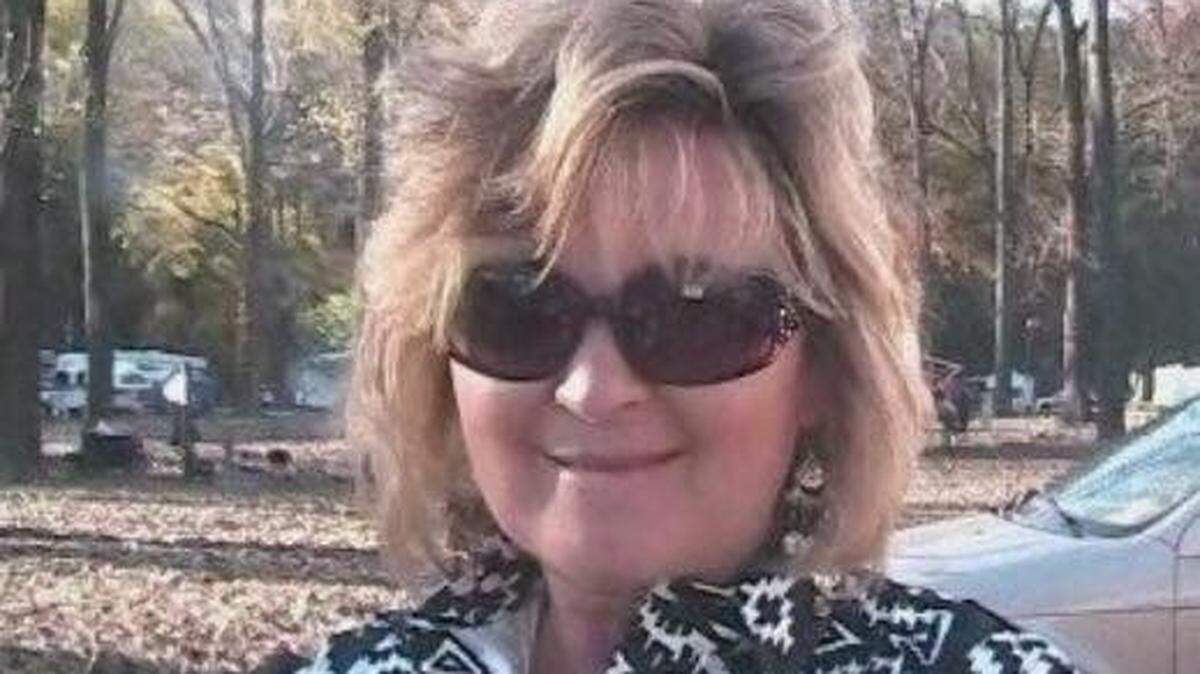
Concern over the virus began last year when Tamela Wilson died after she was exposed while working at Meramec State Park in eastern Missouri.
After Wilson's death, the state health department announced it would test the blood of some Missouri state parks employees. It said in a December press release that those results would remain confidential because of their status as "protected health information," but it said none of the 7,000 ticks it collected had tested positive for Bourbon virus.
"This does not mean the virus is not present in some ticks in the park," the department said. "Instead, it means none of the ticks that might have been infected at the time of this investigation were trapped and tested."
One group of ticks tested positive for Heartland virus, which has many of the same symptoms, the department said. It advised anyone who has been bitten by a tick to seek medical treatment if they begin developing a fever, muscle ache, fatigue, headaches, anorexia, diarrhea or a rash.
Alferman said he didn't know how many people had been tested and didn't want any personally identifiable information. He merely wanted to know whether the virus presented a public hazard.
“I want to know — was there two people? Was there only one person who tested positive for this? Was there 100? Was there 1,000?" Alferman said. "Tell us something about this.”
Sara O'Connor, chief of the health department's public information office, said in a statement that no other cases of Bourbon virus had been reported to the department. She would not say whether Bourbon virus presented a public health risk.
"Bourbon virus is believed to be a tick-borne disease, and as with any such disease, prevention is key," O'Connor said.
Bourbon virus was discovered in 2014 in a Bourbon County, Kan., man.
Wilson's daughter, Amie May, 40, of Bonne Terre, said "there isn't much public information" about the rare disease.
Rep. Scott Fitzpatrick, a Shell Knob Republican who is chairman of the House Budget Committee, said he would back Alferman's effort and likely would have elected to cut further. He said he and fellow representatives met with officials from the department who declined to provide information on the virus.
“The three people who weren’t elected by people knew what the answer to that question was, and the three people who were did not," Fitzpatrick said. "They wouldn’t share that information. I have a problem with that.”
After announcing Wednesday that he would offer the budget amendment, Alferman said he met with some of Gov. Eric Greitens' staff, who said they would look for a solution. He anticipated a possible second meeting.
The House Budget Committee was expected to begin debating, offering amendments and voting on the master budget next week.
This story was originally published March 9, 2018 at 8:40 AM with the headline "Should Missouri release info on virus that killed worker? Some lawmakers think so."