
Missouri House gives initial approval to limiting access to police camera videos
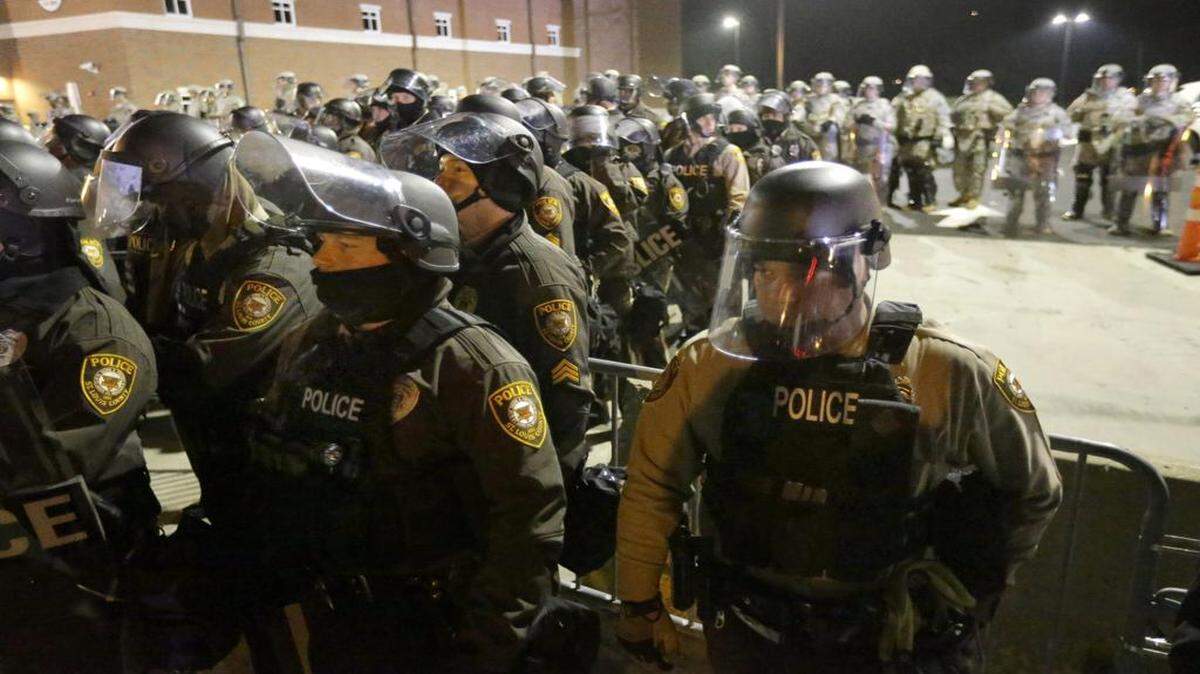
Public access to video from police cameras in Missouri would be restricted under a measure that’s part of the legislative response to the events surrounding the fatal shooting of an 18-year-old by a police officer in Ferguson.
The Missouri House gave initial approval Wednesday to a bill that would exempt police body or dashboard camera footage from the state’s open records laws. Supporters say they want to balance privacy concerns of individuals with the public’s right to know.
“This really protects the citizens of Missouri,” said Rep. Shawn Rhoads, a West Plains Republican. “The judge will be given this information. … It takes the decision out of the police; it takes the decision out of elected officials.”
Opponents said setting such strict limitations on public access to video footage would hinder people seeking justice in alleged cases of police misconduct and harm efforts to build trust between law enforcement and the public.
“We should work on the privacy concerns, but to give a broad shield against video and audio recordings is wrong,” said Rep. Brandon Ellington, a Kansas City Democrat.
Activists have rallied around efforts encouraging police departments across the country to use body cameras to record interactions with the public after last year’s fatal shooting of Michael Brown. There was no video of that shooting.
But Missouri lawmakers are reluctant to require police cameras because the state constitution prohibits unfunded mandates. The measure also specifically prohibits the state from requiring law enforcement agencies to use body cameras.
The legislation would allow agencies to block access to footage and require court action to override that decision. Nothing in the measure would prohibit a law enforcement agency from releasing a video to the public without a court order.
Certain people would have a greater chance at accessing the videos. Anyone shown in a video, a relative, attorney or someone whose property is involved in an incident would be able to request access to the footage, and the police department would have to respond within 30 days or file with the court to continue to restrict access. Currently the state’s Sunshine Law treats open investigation reports the same way.
Anyone, including media outlets, would be able to appeal directly to the courts for access to the footage. The judge would weigh the benefit to that person or the public against the harm to the public, people identified in the video and law enforcement. The court would be able to set limits on the disclosure of the video.
The measure faces another vote in the House before going to the Senate. Gov. Jay Nixon declined to take a position on whether footage should be an open or closed record when asked by reporters about the issue earlier this year.
This story was originally published April 22, 2015 at 6:34 PM.