
Threatened with loss of federal funding, Kansas makes changes at Osawatomie State Hospital
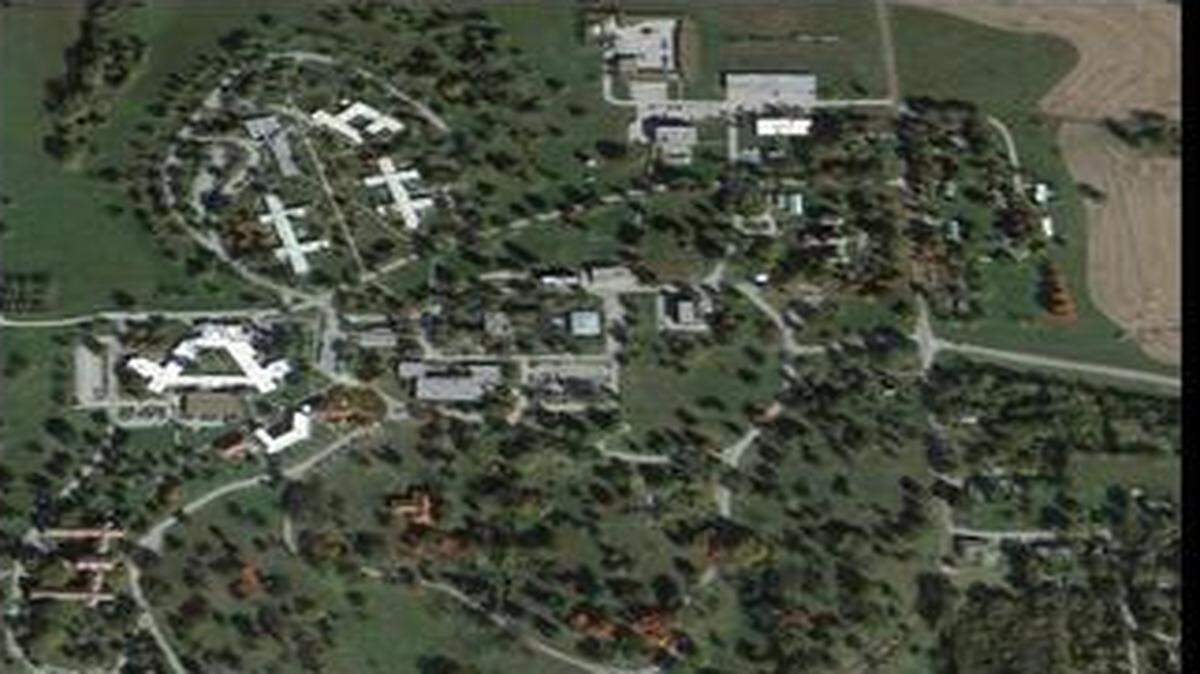
A thorough rehab of Osawatomie State Hospital in Kansas, costing several million dollars, is underway to bring it into compliance with federal safety standards for preventing patient injuries and suicides.
At stake are federal Medicare and Medicaid funds that make up about one-fourth of the psychiatric hospital’s budget of $26 million.
The hospital is replacing patient beds and mattresses, installing new bathroom fixtures, replacing suspended ceilings and making other changes designed to eliminate things that could be used for choking or hanging, or that could be turned into weapons.
Angela de Rocha, a spokewoman for the Kansas Department for Aging and Disability Services, which operates the hospital, said the most recent patient suicide at the hospital occurred in 2008.
Concerns for patient safety were raised in an inspection of the hospital in late January.
The inspection also found that nursing staff did not adequately monitor a patient’s condition, which led to the patient’s death from a bowel blockage.
Some of the improvements already are underway or have been completed, according to documents obtained Friday by The Kansas City Star. For example, ceiling-mounted fluorescent light fixtures in 138 patient rooms, hallways and bathrooms could be used as anchors for hanging, the inspectors said. The hospital has ordered 700 lens covers that will be added to the light fixtures.
Some renovations will take longer. Removing the suspended ceilings, which will require closing portions of the hospital, will be done in stages through September 2017.
De Rocha said the state faces costs of about $3 million to bring the hospital into compliance, in addition to costs it already has incurred. For example, it has spent about $250,000 so far on new plastic beds for patients.
A further inspection to gauge the hospital’s progress will be conducted this month, said Jennifer King of the Kansas City regional office of the federal Centers for Medicare and Medicaid Services, also called CMS.
On Friday, King’s office approved the hospital’s plans for removing the hazards to patients that inspectors had identified.
“Our big focus and the facility’s big focus is on removing the immediate risks to patients,” King said. “If they do, we will work with them on coming into compliance.”
Osawatomie State Hospital, about 50 miles southwest of Kansas City, is one of two psychiatric hospitals operated by the state. This is the second time in recent months that federal regulators have threatened to take away its Medicare and Medicaid funding.
An October inspection, prompted by several complaints, found that the hospital was housing 258 patients, putting it at about 125 percent of its capacity.
That led to a new state policy limiting admissions to the hospital. Community mental health centers, which provide initial care to people in crisis and refer patients to hospitals, were made responsible for finding alternative sources of care.
In October, inspectors found such poor medical care and miscommunication among doctors, nurses and pharmacists that patients’ health and safety were in immediate jeopardy. CMS said.
One diabetic patient was admitted to the hospital with a toe ulcer that was allowed to fester until the patient had to be transferred to another hospital to have the toe amputated. A patient with blood clots in the legs wasn’t adequately treated and ended up in the intensive-care unit of another hospital. A third patient with an irregular heartbeat was prescribed a risky dose of an essential heart medication that was then discontinued by a pharmacist without consulting the patient’s doctor.
An inspection of Osawatomie in early December found that those immediate life-threatening problems had been corrected. The hospital was given until February to remedy its overcrowding or risk the loss of federal funds.
The January inspection was more thorough than the previous inspections and turned up the problems with the hospital’s suicide prevention measures. Such measures have been a standard for psychiatric hospitals since the Department of Veterans Affairs developed guidelines about a decade ago.
But until now, inspectors working for CMS had not enforced those rules at Osawatomie. That had at least one mental health advocate scratching his head.
“This is the first time I’ve heard about these (rules),” said Kyle Kessler, executive director of the Association of Community Mental Health Centers of Kansas. “It’s curious to me that CMS had not cited these things earlier.”
But inspectors working on behalf of CMS found signs that conditions at the hospital were creating risks.
▪ A review of seven months of work orders revealed at least 20 requests to replace ceiling tiles that were missing, damaged or pulled down by patients.
▪ In six patient rooms, blackened areas were found on walls around electrical outlets. A nurse told inspectors that patients pick up cigarette butts outside and try to light them by putting paper clips into the outlets.
▪ Maintenance records showed at least 10 requests over seven months to repair drinking fountains that patients had vandalized or pulled from walls. Inspectors said the drinking fountains could be used as weapons. The fountains have been removed and are being replaced.
To reach Alan Bavley, call 816-234-4858 or send email to abavley@kcstar.com.
This story was originally published February 13, 2015 at 5:39 PM.