‘Monogamous’ creatures sucked from beach in Japan turn out to be new species
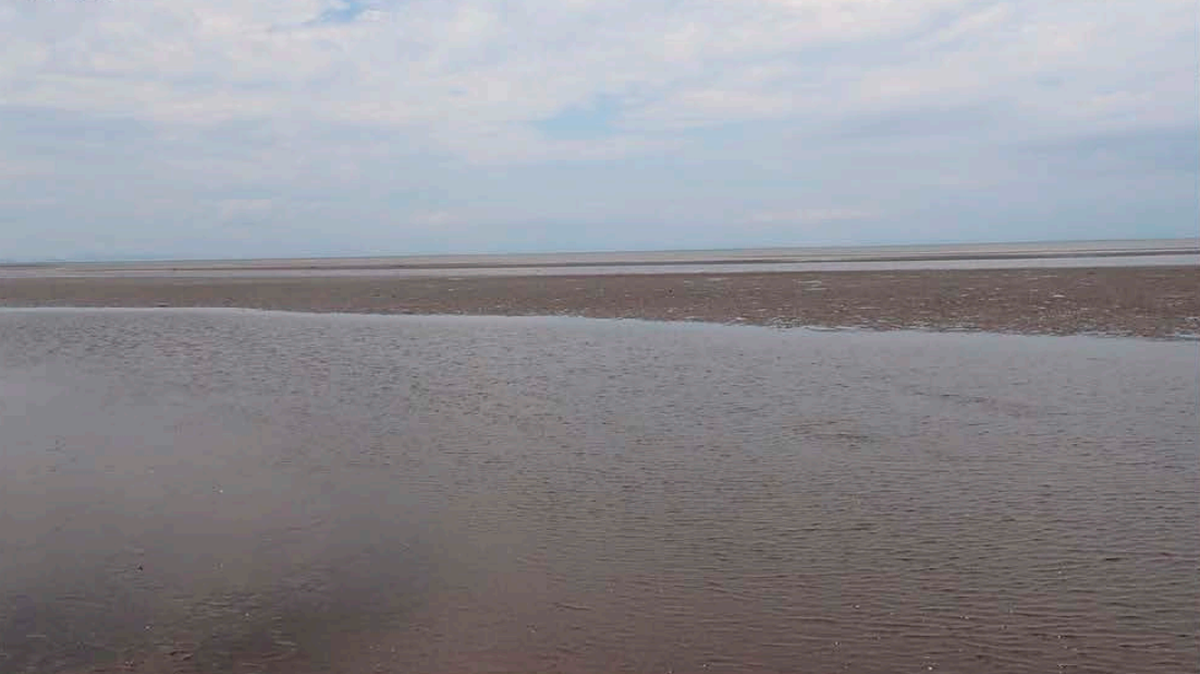
On a beach in Japan, a pair of “monogamous” clawed creatures moved around inside their sandy burrow, or tried to. But something pulled them toward the surface.
Scientists looked at their catch — and discovered a new species.
A team of researchers visited dozens of tidal flats “from a wide area in Japan” between 2016 and 2023 as part of a project to survey a group of carnivorous crustaceans known as mantis shrimp, Hiroki Nakajima and Tohru Naruse wrote in a study published Sept. 25 in the peer-reviewed journal Species Diversity.
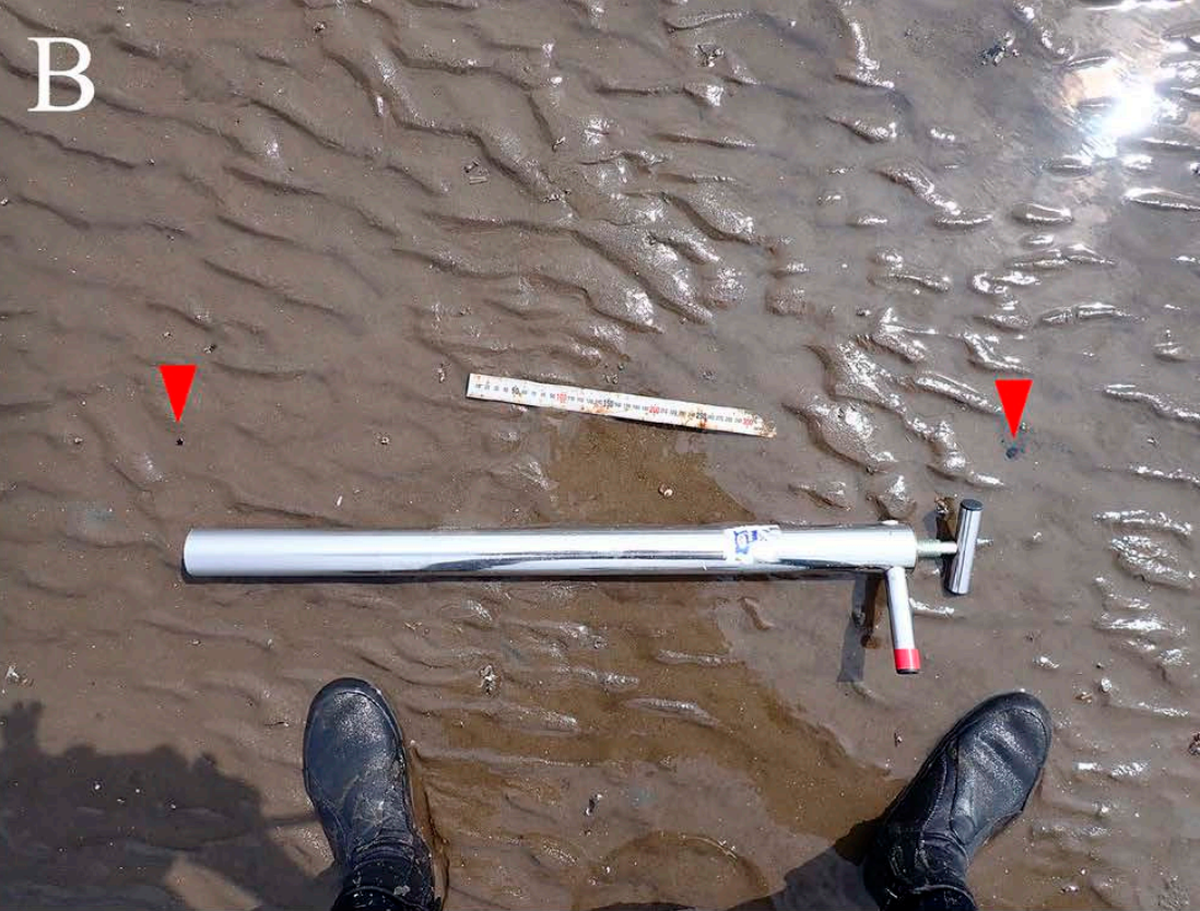
At each location, researchers used a pump to suck shrimp out of their sandy burrows, the study said. They eventually collected dozens of shrimp and started noticing some subtle yet significant differences between the animals.
Researchers analyzed the DNA of the shrimp and realized they’d discovered a new species: Bigelowina komaii, or Komai’s mantis shrimp.
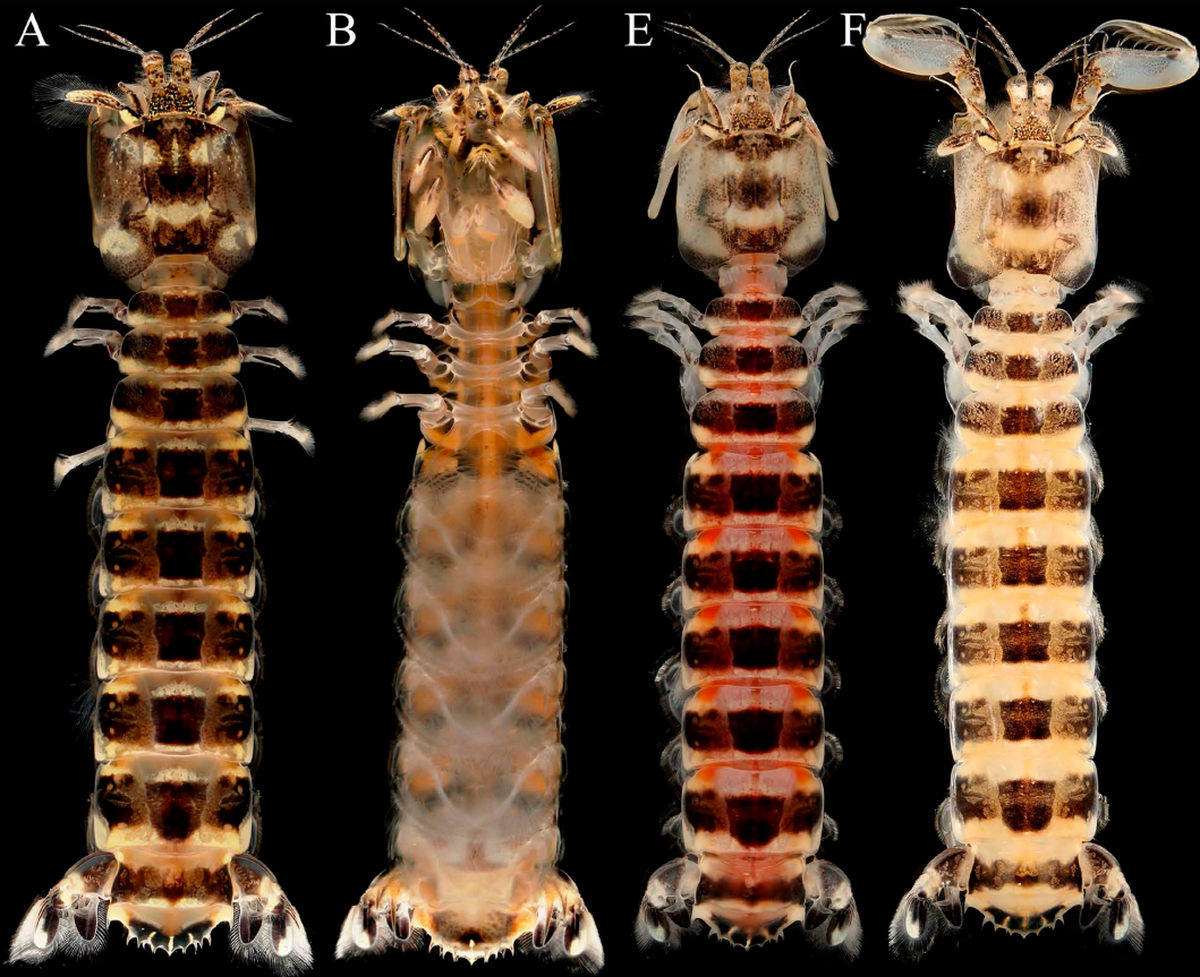
Komai’s mantis shrimp can reach about 3 inches in length, the study said. They have “short” eyes, a “smooth” texture and “raptorial” claws for seizing prey.
Photos show the brownish-black and orangish-yellow stripes of the new species. Mature females had an “orange ovary,” researchers said.
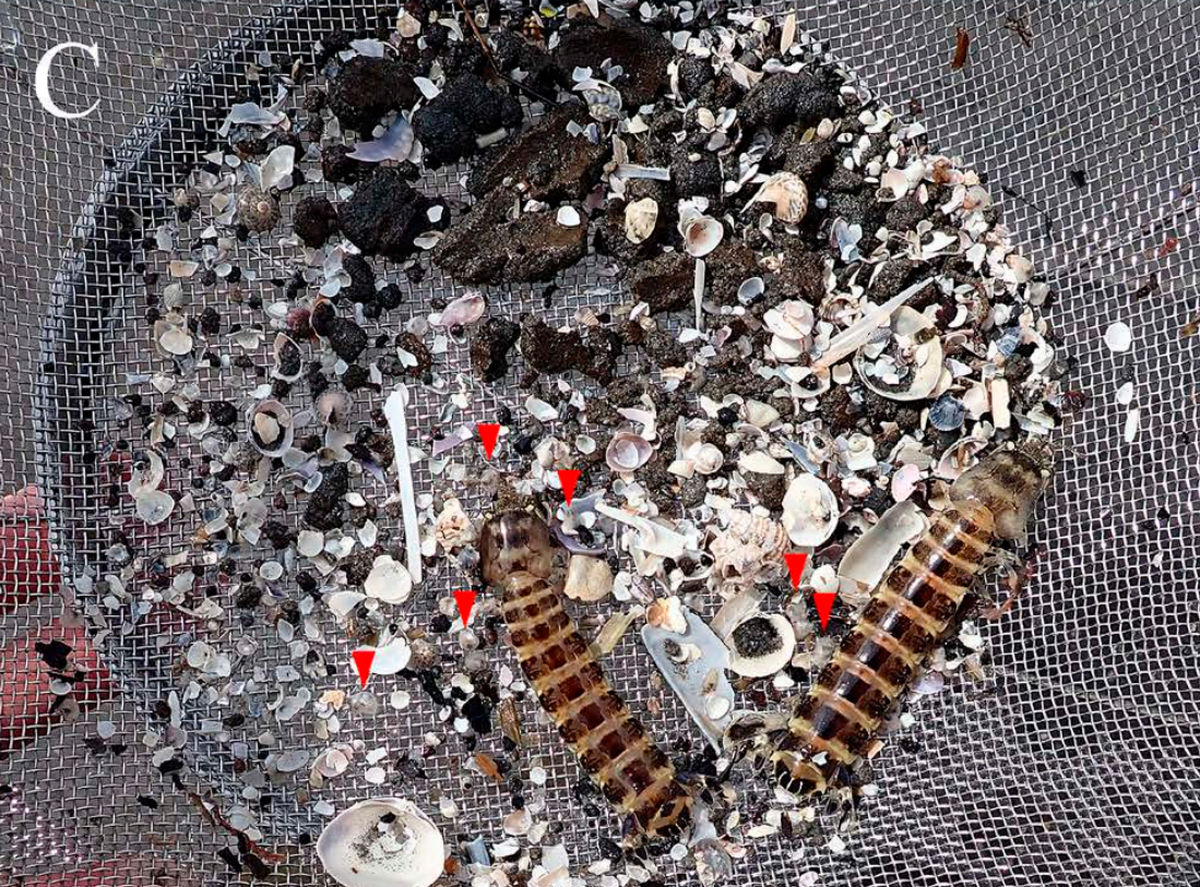
Komai’s mantis shrimp were found on “sandy-muddy” tidal flats, sometimes with “egg masses” or sharing their burrows with a mollusk species, the study said. “Monogamous pairs were often observed inhabiting a single U-shaped burrow.” A photo shows one such pair.
Much about the new species’ diet and lifestyle remains unknown.
Generally, mantis shrimp are known for their aggressive hunting style, either “spearing” or “smashing” their prey, and their highly developed eyes, which can see light waves that human eyes cannot, according to the Great Barrier Reef Foundation.
Researchers said they named the new species after the late scientist Taku Komai, “who pioneered the taxonomy of stomatopods (mantis shrimp) in Japan.”
So far, Komai’s mantis shrimp have been found on three islands in Japan, including the southern end of the country’s main Honshu Island, the study said. It is “possibly a Japanese endemic species.”
The new species was identified by its DNA, body proportions, claw shape and size, eye shape and other subtle physical features, the study said.
This story was originally published October 8, 2025 at 1:37 PM with the headline "‘Monogamous’ creatures sucked from beach in Japan turn out to be new species."