Medieval ‘looters’ dug up grave in Poland — but left these items. Take a look
In northern Poland sits an earthen mound that is not what it seems. The gentle sloping hill hides a collection of 900-year-old burials, traces of long-ago “looting” and the treasures left behind. Archaeologists recently began piecing together its “unique story.”
Across the landscape of northern Poland are dozens of cemeteries with early medieval burial mounds, known as Orzeszkowo-type barrows. “Although common in Pomerania, these barrows remain largely underexplored,” according to a study published June 23 in the peer-reviewed journal Antiquity.
Hoping to fill this knowledge gap, a team of archaeologists began work at Nowy Chorów cemetery, a site in Słupsk County with 16 “largely intact” mounds, the study said. Between 2022 and 2023, researchers excavated four of these mounds.
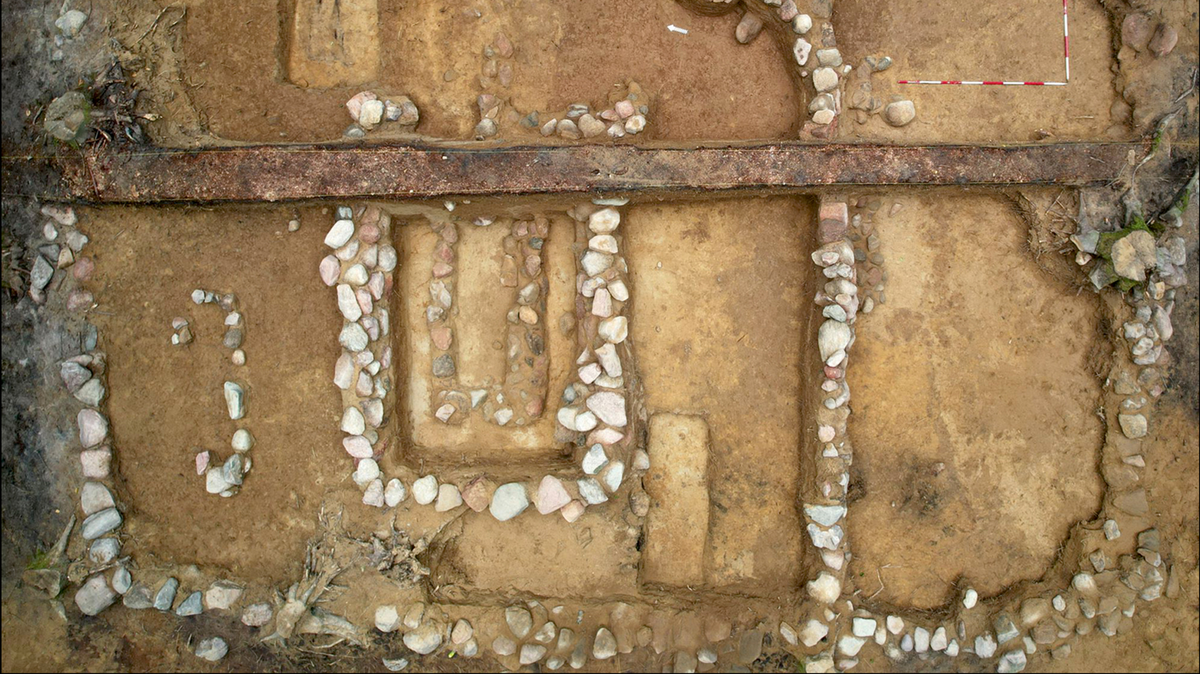
An aerial photo shows the largest excavated mound, dubbed K8. Inside were eight burials ranging from “simple” cremations to inhumations surrounded by rock enclosures, all dating from 1000 and 1050 A.D., archaeologists said.
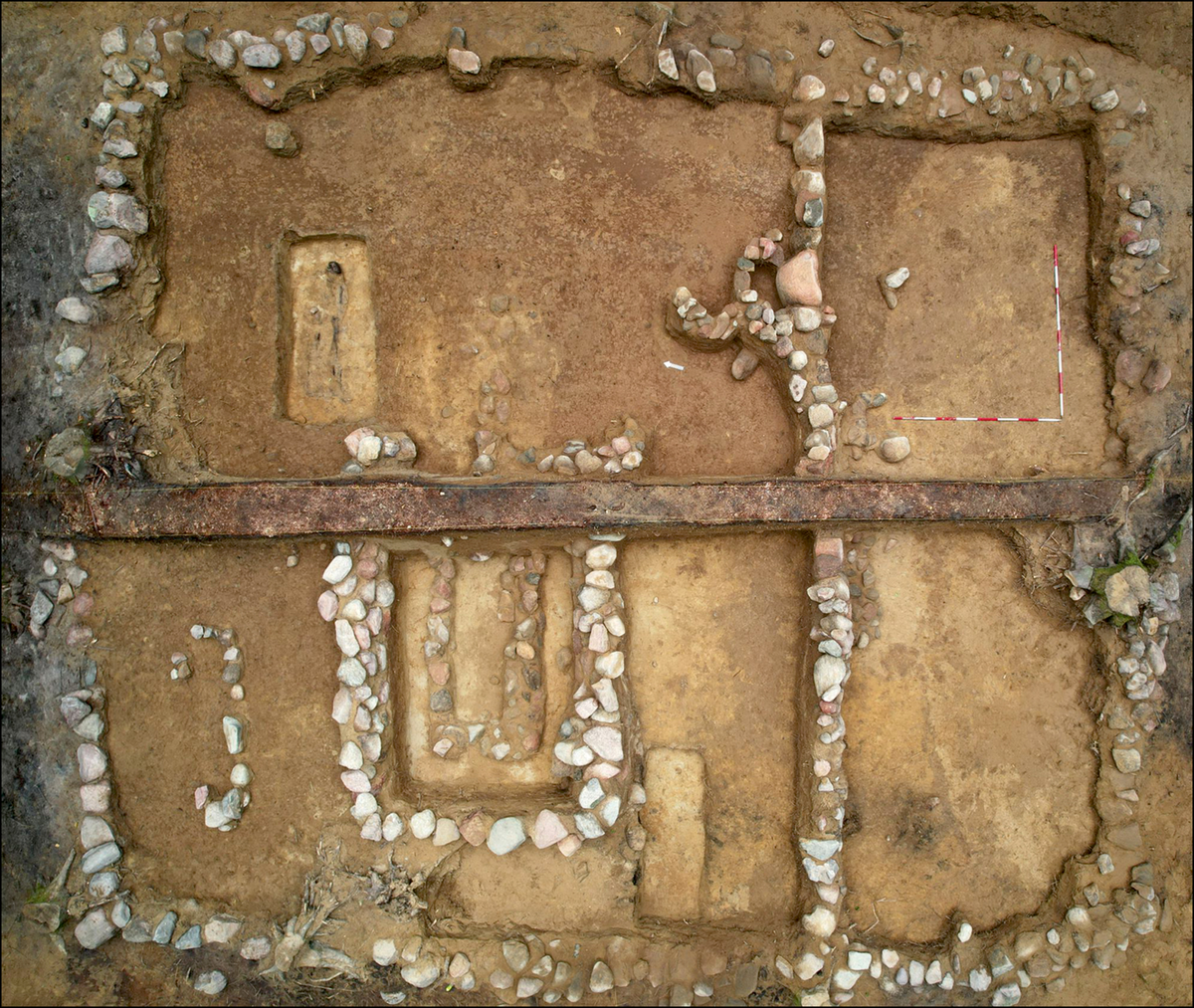
But the most interesting finds came from the empty “central grave,” dubbed Grave 7. Just over 900 years ago, someone was buried there, but “at some point after burial, the bodies were exhumed and cremated,” the study said.
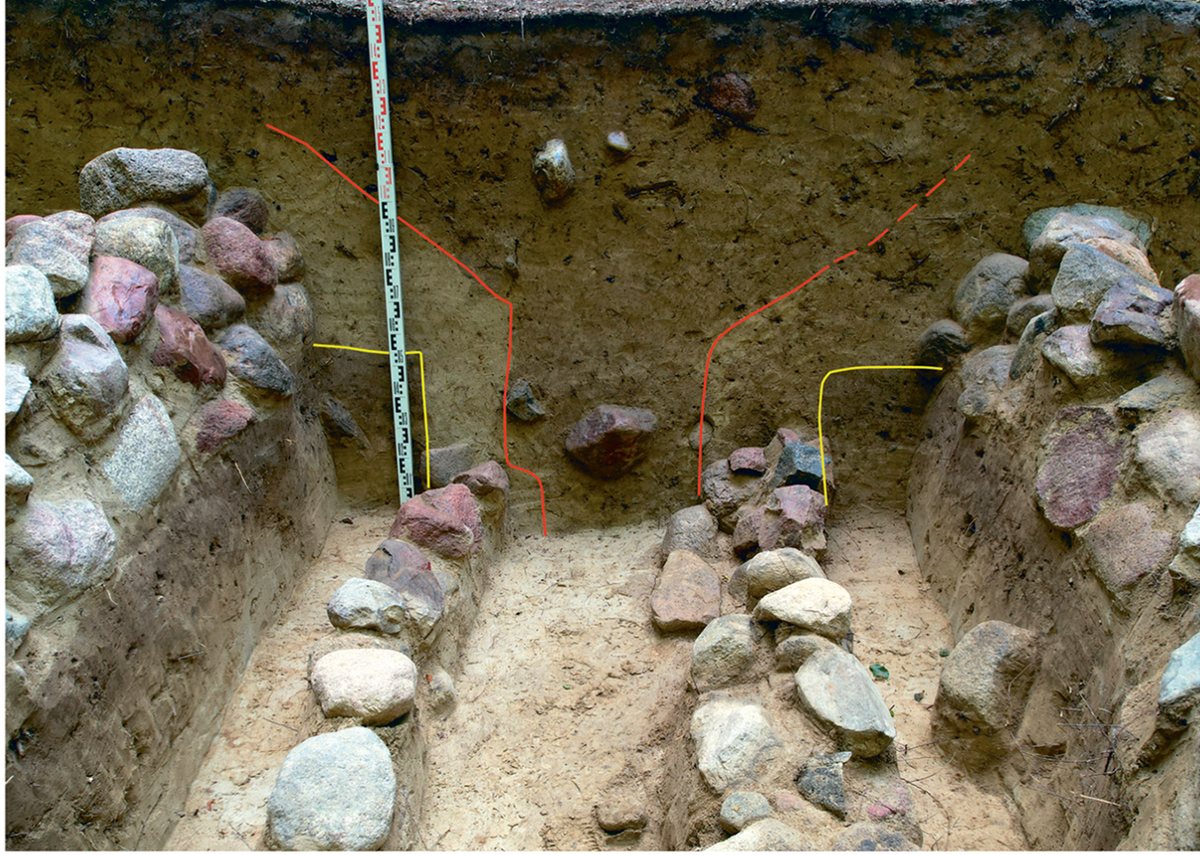
Whoever dug up Grave 7 left “intrusive cuts and damage to the stone structures,” archaeologists said. A photo shows the disturbed grave, a yellow line shows the original dirt layer and a red line shows evidence of the grave reopening.
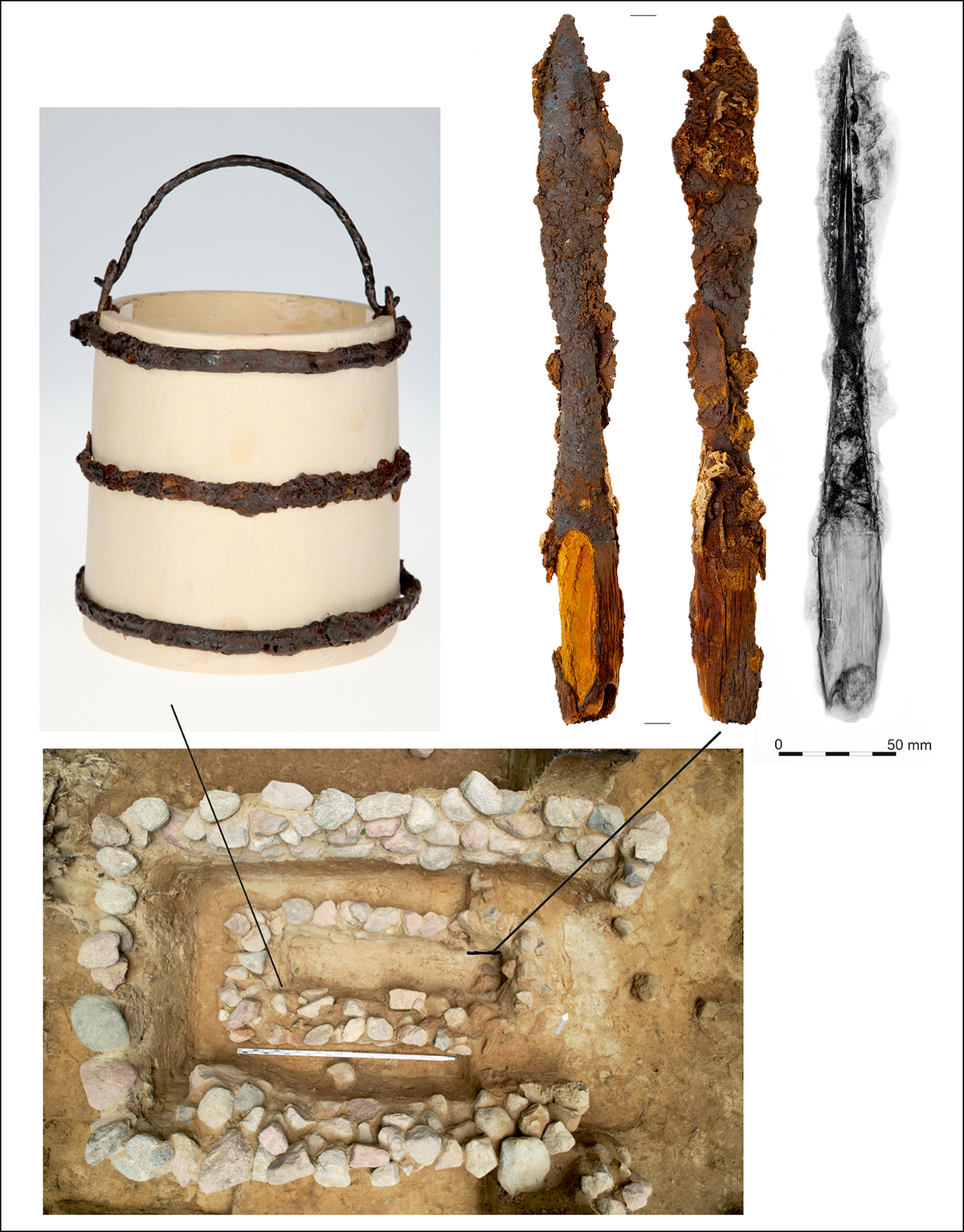
The “grave robbers” left behind several artifacts, including “a spearhead, with adhering textile remnants likely associated with a banner, and a unique yew bucket with iron fittings,” the study said. Photos show these 900-year-old artifacts.
The body taken from Grave 7 was then “deposited directly above the now-empty” grave in the form of a cremation burial and the burial mound was filled in, the study said.
“This extensive ritual sequence was perhaps intended to allow the deceased’s transition to the afterlife,” researchers said. “Reopening graves and interacting with the dead was considered a dangerous act, requiring special rituals.”
“The discoveries in Nowy Chorów represent the first well-documented traces of grave reopening in the region, though such practices were likely more common,” the study said.
“Each burial mound in Nowy Chorów tells a unique story, offering valuable insights into the diversity of early medieval funerary practices,” researchers said. They plan to continue working at the site and analyzing their finds.
The Nowy Chorów site is in Słupsk County on the northern coast of Poland and a roughly 280-mile drive northwest from Warsaw.
The research team included Sławomir Wadyl, Paweł Szczepanik, Rafał Fetner, Elżbieta Jaskulska and Ilona Nowosadzka.
This story was originally published July 1, 2025 at 8:20 AM with the headline "Medieval ‘looters’ dug up grave in Poland — but left these items. Take a look."