Gold-speckled creature — from ‘land of eternal waters’ — found as new species
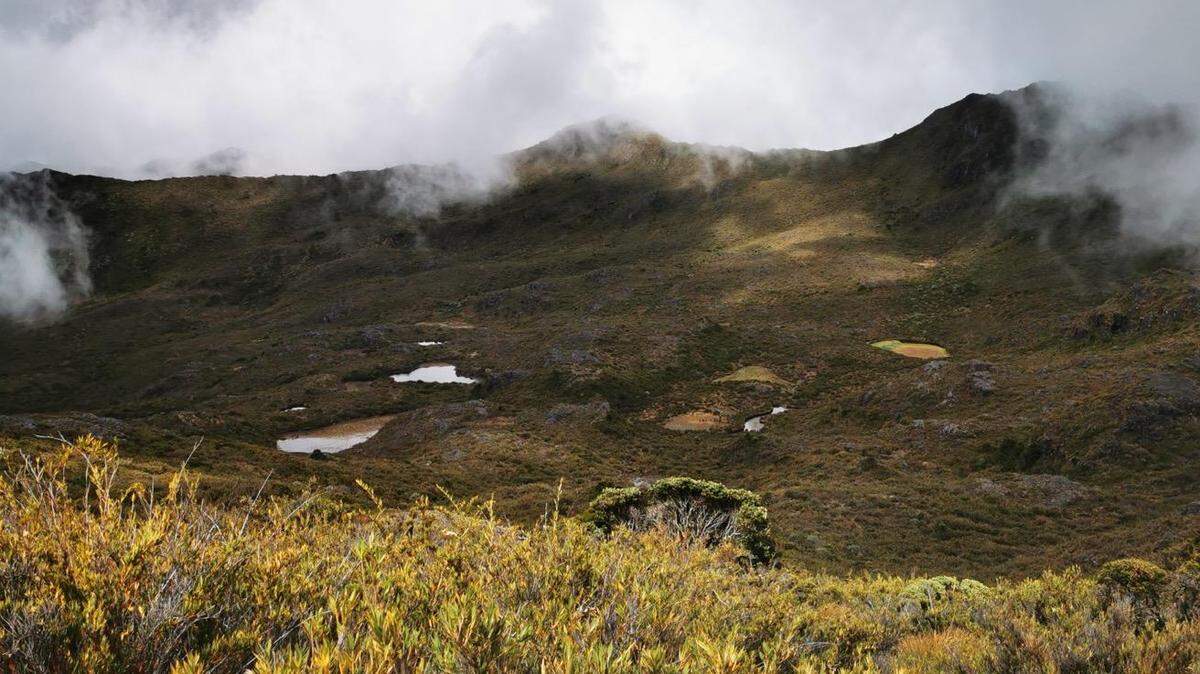
In Chirripó National Park, most of the year is marked by heavy rainfall.
The park experiences a very short dry season compared to the rest of Costa Rica, resulting in up to nearly 80 inches of rain annually.
Cerro Chirripó, the country’s highest peak, is known as the “land of eternal waters” in the indigenous language Cabécar — and it’s home to a species new to science.
During nightly surveys in November 2019, researchers noticed a small animal foraging on the ground, according to a study published June 3 in the peer-reviewed journal Zootaxa.
The critters were identified as salamanders from the Bolitoglossa genus, but they seemed different from previously discovered species, according to the study.
Genetic testing confirmed the salamanders hadn’t been described before, and they were named Bolitoglossa chirripoensis, or the Chirripó web-footed salamander, researchers said.
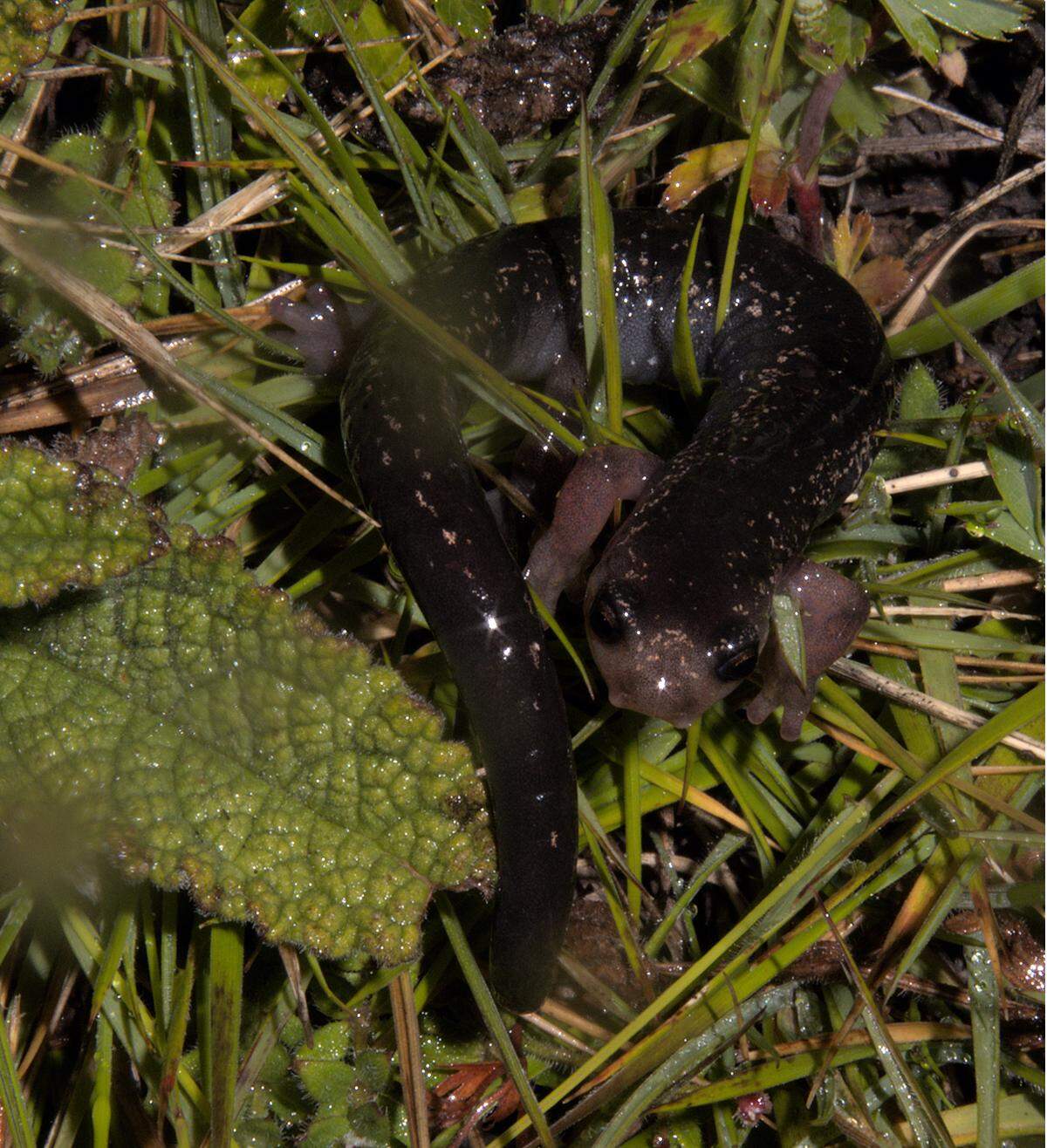
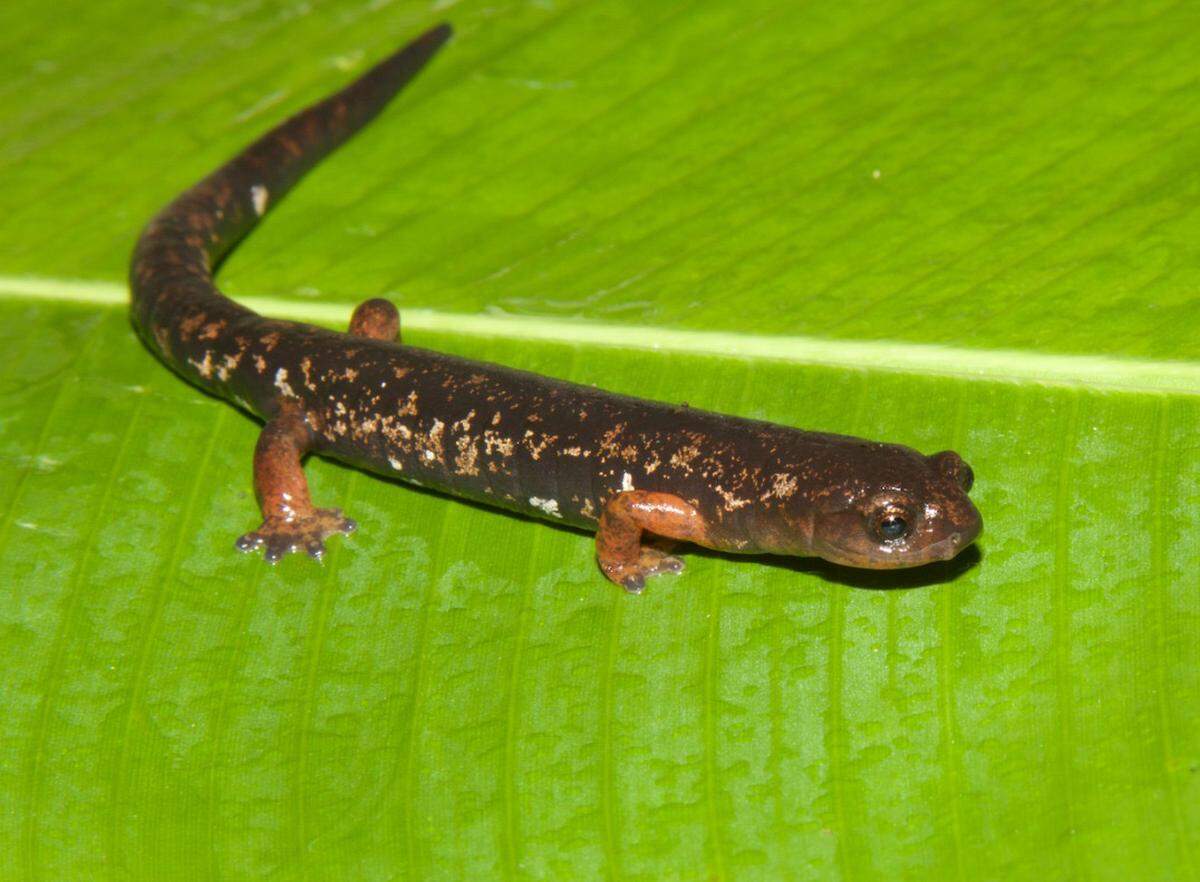
The salamanders have a relatively moderate size, ranging from about 2 to 2.3 inches long, according to the study.
Their limbs are “short and robust,” barely sticking out from their cylindrical trunks, researchers said. At the end of their limbs are “broad hands and feet,” and the toes are webbed together.
The animals have small eyes that slightly protrude from their heads, which are smooth and flat, according to the study.
The “background color” of the Chirripó web-footed salamander is “dark brown suffused with violet with numerous bronze to gold specks,” researchers said. “The speckles formed a pair of irregular dorsolateral bands extending from the upper eyelids to the anterior portion of the tail, where pale speckles become much less numerous.”
The salamander’s stomach is “dark brownish purple” with “whitish speckles, and the legs were much lighter than the rest of the body, according to the study.
“This species is known only from the type locality in the páramo (or vegetation) of the Cerro Chirripó at (about 10,000 to 11,000 feet),” researchers said.
The salamanders were only found near the summit of the peak, an area susceptible to forest fires and climatic change, according to the study, possibly threatening the species.
The national park is also “visited by thousands of tourists each year,” researchers said, leading to the research team recommending the species be listed as “vulnerable” under the International Union for Conservation of Nature guidelines.
Researchers said the amphibians from this region are poorly studied, and there are still a lot of unanswered questions about their natural history, diet, predators, habitat selection, reproduction and conservation.
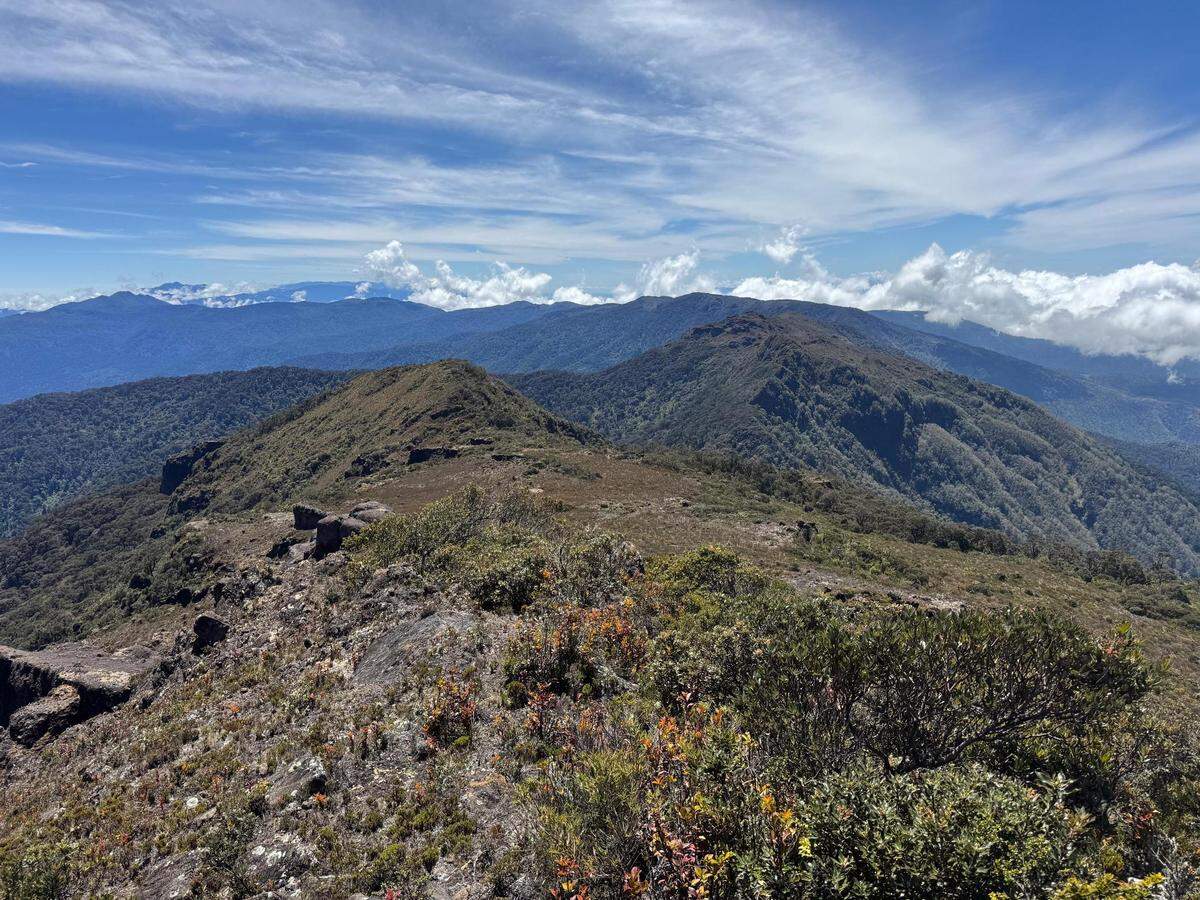
Cerro Chirripó is in south-central Costa Rica, a country between Nicaragua and Panama in Central America.
The research team includes Jeremy Klank, Gerardo Chaves, Kimberly Castro and Erick Arias.
This story was originally published June 3, 2025 at 2:26 PM with the headline "Gold-speckled creature — from ‘land of eternal waters’ — found as new species."