‘Perfect’ prehistoric artifact — ‘painstakingly’ crafted — discovered in UK. See it
About 5,000 years ago, an ancient craftsman in modern-day central England picked up a piece of flint.
Chipping away at the flint a tiny piece at a time, the Neolithic person “painstakingly” carved the piece into an arrowhead.
Now, that arrowhead was just discovered.
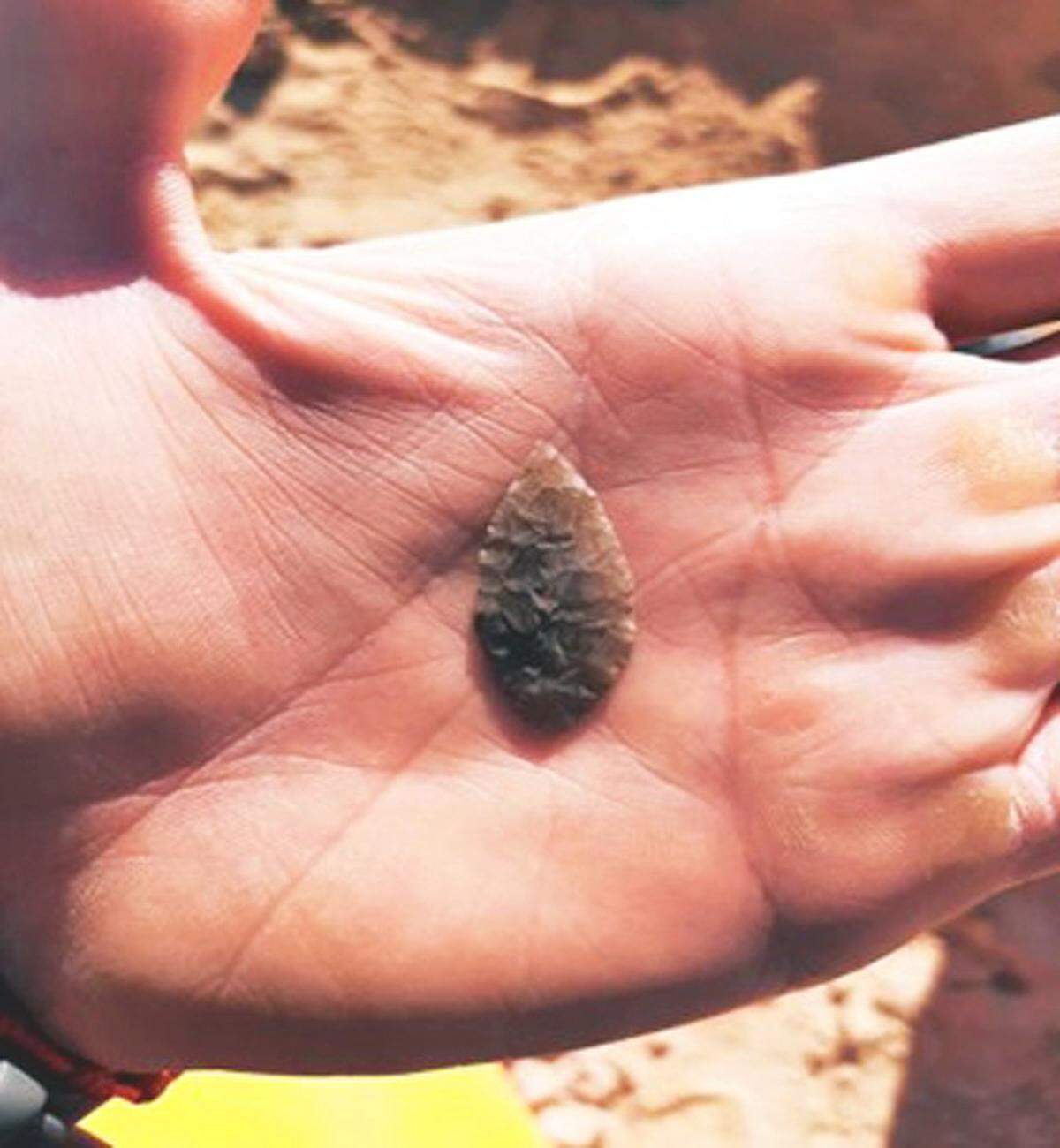
“Our Milton Keynes team have unearthed this PERFECT Neolithic leaf-shaped arrowhead near Northampton,” officials with Cotswold Archaeology said in a March 10 Facebook post. “Found in a pit near a small cluster of prehistoric features, this would’ve been painstakingly flaked from a flint core using a tool such as an antler tine.”

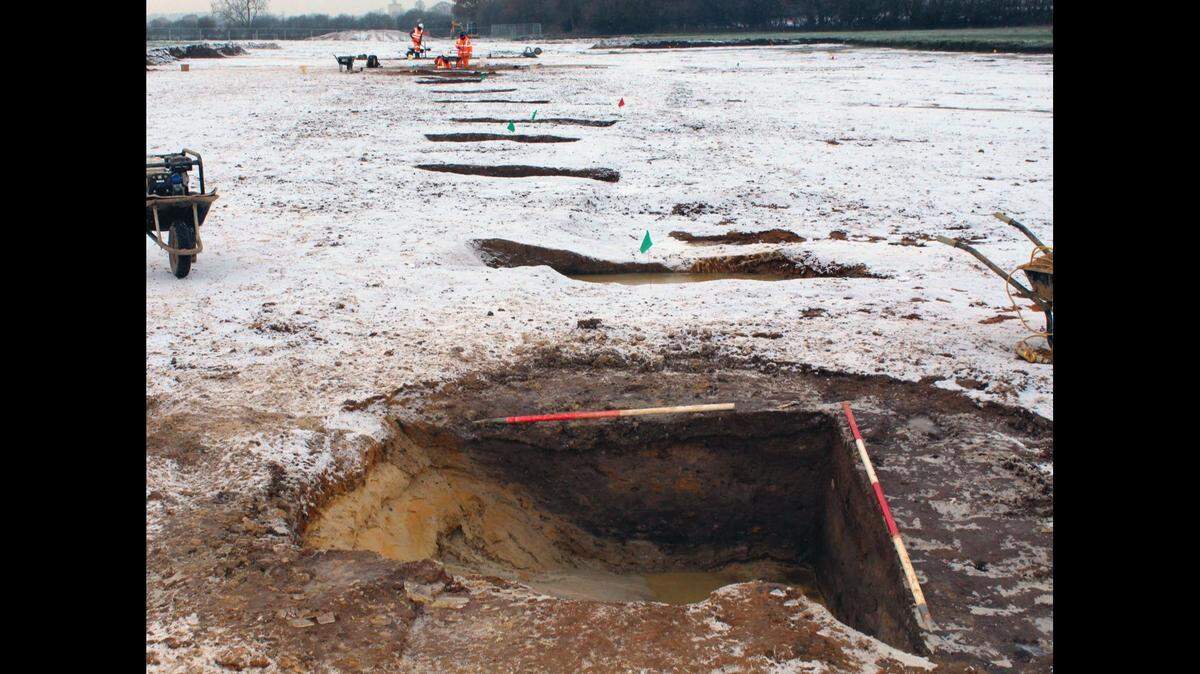
The archaeological site includes ditches, pits, graves, a limekiln and other flint artifacts, including additional arrowheads, Cotswold Archaeology said in a March 10 news release.
The leaf-shaped artifact was found inside a pit and is about an inch long, according to the release.
The piece was created using a process called knapping in which a tool like an antler tine would be used to gradually remove small flakes from the larger flint piece until it was shaped, archaeologists said. Knapping “would have taken a lot of patience and skill,” according to the release.
“Each one of the tiny ripples we can see on this example shows where a tiny flake has been removed,” Cotswold Archaeology said. “The waste flakes are referred to as debitage, which we often find during our excavations. When the arrowhead was finished, it would then be mounted on the tip of a wooden shaft to form the arrow, though this is rarely preserved in the archaeological record.”
This style of arrowhead was common in the early Neolithic period, from about 4,000 to 3,000 B.C., archaeologists said, and could have been used for hunting or person-on-person violence.
“Interestingly, this example is undamaged. It is rare to recover these arrowheads with the tip intact,” archaeologists said. “The tips are normally missing and were presumably lost during the item’s use.”
The damage caused by impact shows when the arrowheads were used, according to the release, meaning while this arrowhead was carved, it may never have been used to hunt or fight.
Other items such as pottery were found in the same area as the arrowhead, but dating the pieces so far has not narrowed their production date to a more specific range than the early Neolithic period, Cotswold Archaeology said.
Northampton is in central England, about a 70-mile drive northwest from London.
This story was originally published March 12, 2025 at 1:34 PM with the headline "‘Perfect’ prehistoric artifact — ‘painstakingly’ crafted — discovered in UK. See it."