Woman on flight in severe pain needs emergency landing. Air in her eye was to blame
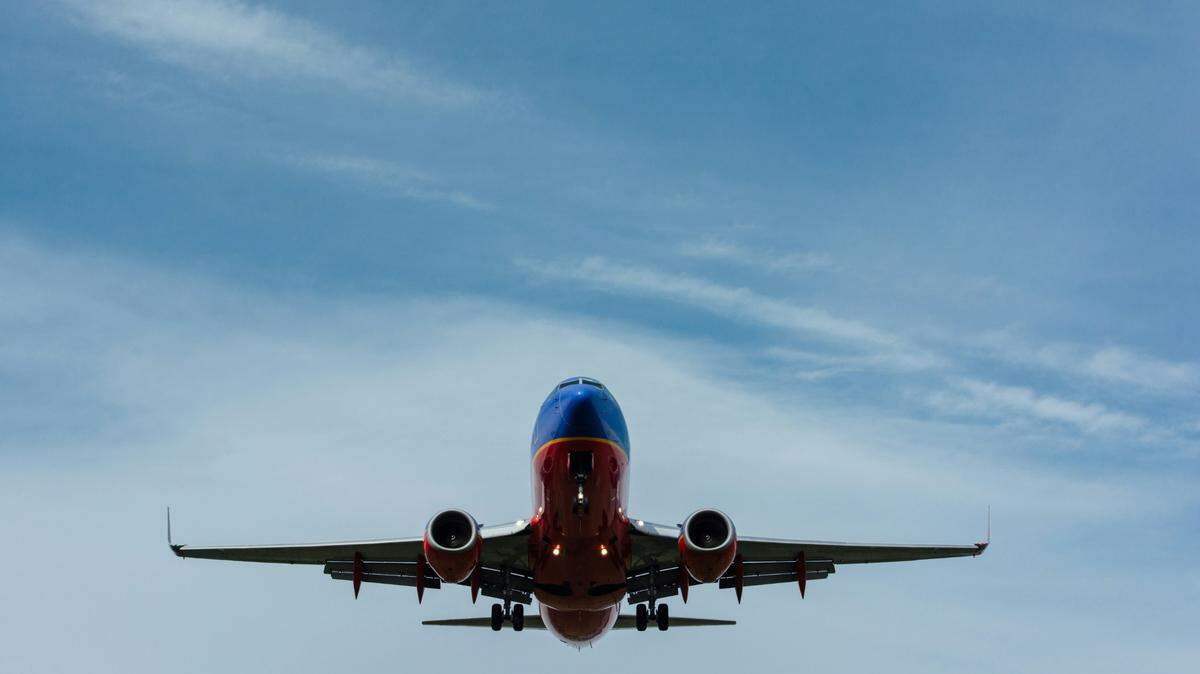
Just minutes into a flight, a 52-year-old woman forced an emergency landing because of excruciating pain in her eye, German doctors said.
It was thanks to changing air pressure.
The woman, who was not identified, started experiencing a severe headache on the left side of her head about 15 minutes after takeoff, doctors said in a case report published Jan. 10 in the peer-reviewed Journal of Medical Case Reports.
The pain worsened, and then her left eye suddenly went completely blind, according to the report.
The flight crew decided to make an emergency landing, doctors said, and they were back on the ground within an hour of the woman’s initial symptoms.
The woman’s pain had lessened as the plane descended, but she was still rushed to the hospital as soon as the plane landed, according to the report.
Then doctors examined her. Her right eye looked normal, but doctors saw a transient central retinal artery occlusion — a vessel blockage — in her left eye.
Central retinal artery occlusions occur when a blood clot or cholesterol plugs the blood vessel that brings blood to your retina, the part of the inner eye that senses light, according to Johns Hopkins Medicine. This blockage can cause sudden loss of sight, sometimes without any pain at all.
Doctors didn’t report a history of clots or high cholesterol for the 52-year-old woman, but she said she had undergone an eye surgery just four days before her flight.
The surgery, called a pars plana vitrectomy with air tamponade, is commonly performed to fix retina tears or detachments by replacing part of the vitreous fluid inside the eye with air, thereby allowing the eye to maintain its shape in your skull after a portion has been removed. Sometimes, the remaining space is filled with a specific gas, but more recently, some surgeons have replaced the fluid with air.
Doctors warn patients against air travel following this surgery, and it was the changing air pressure that caused the vessel blockage in the woman’s eye as the plane ascended, according to the report.
As the atmospheric pressure decreases, air bubbles in the eye expand, causing internal eye pressure to also increase, doctors said.
“While such scenarios have only been reported for gas-filled eyes, the same principle also applies to air-filled eyes,” doctors said. “The magnitude of the (intraorbital pressure) increase and the resulting damage depend on additional factors beyond the tamponade volume, including cabin pressure (which varies between different airplane models), flight altitude and the speed at which flight altitude is reached, altitude of the departure and destination airports, flight duration, and the preoperative status of the eye and its (intraorbital pressure).”
Doctors said medications intended to lower eye pressure are unhelpful for air flight, and the only way to stop the symptoms and decrease the pressure is to make it back to the ground.
“Air travel, even with a relatively small volume of residual air tamponade, can lead to potentially serious complications,” doctors said.
The medical team includes Jessica Emrich, Peter Charbel Issa and Carmen Baumann.
This story was originally published January 21, 2025 at 10:49 AM with the headline "Woman on flight in severe pain needs emergency landing. Air in her eye was to blame."