‘Flower’-like sea creature — with 22 tentacles — found off Japan. It’s a new species
Hundreds of feet below the surface of the ocean, a submersible robot explored an underwater mountain off the coast of Japan. A “flower”-like sea creature caught the attention of scientists watching the robot’s feed — and for good reason.
It turned out to be a new species.
Scientists aboard the KAIMEI research vessel decided to use a remotely operated vehicle (ROV) to explore the Shoho Seamount in November 2020, according to a study published Dec. 27 in the peer-reviewed journal ZooKeys. The ROV was equipped with lights, cameras and equipment to collect samples.
During the dives, researchers noticed some unfamiliar-looking zoantharians living on a sea sponge, the study said. Intrigued, they collected a sample and, taking a closer look, realized they’d discovered a new species: Vitrumanthus flosculus, or the small flower zoantharian.
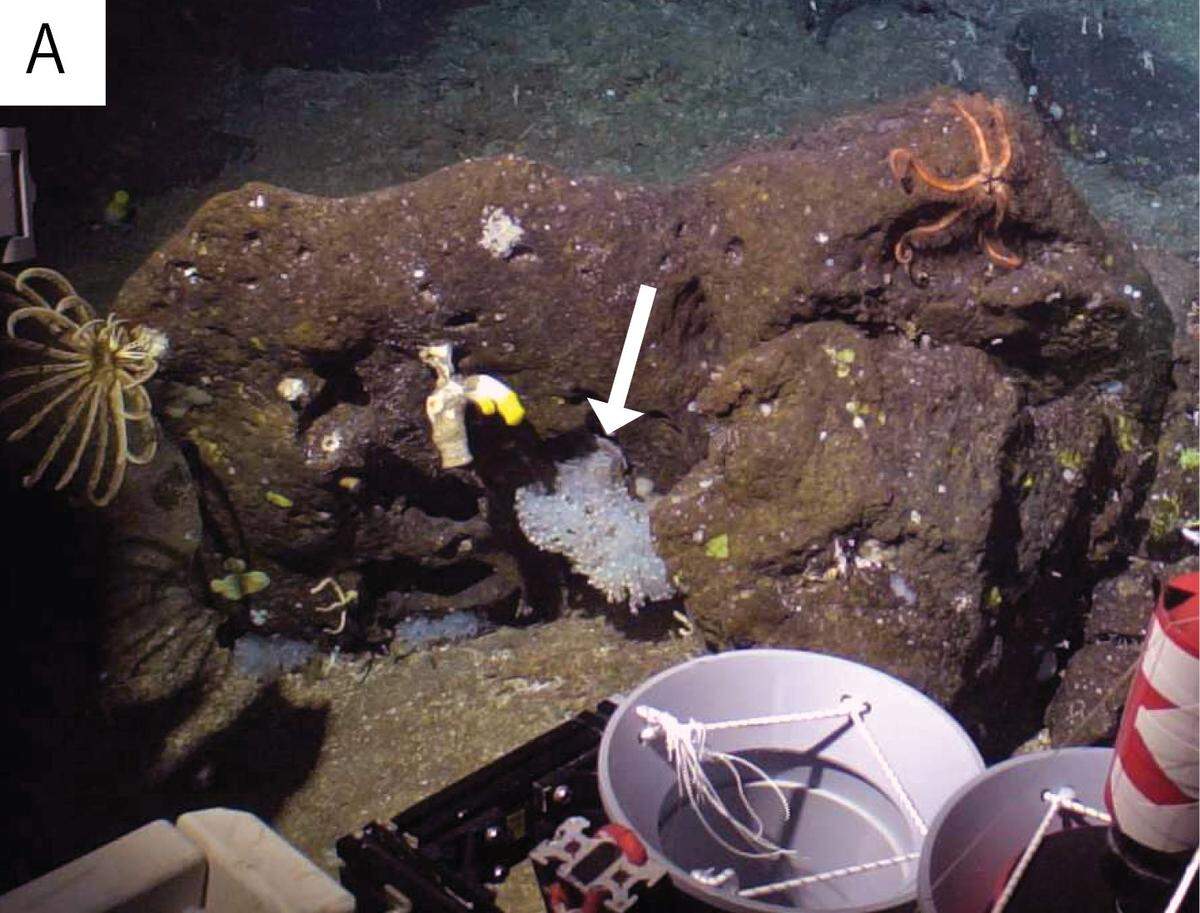
Zoantharians are marine invertebrates related to other better-known cnidarians such as jellyfish, sea anemones and corals. Zoantharians live in colonies, are immobile and feed on particles in the passing water. Some zoantharians, such as the new species, live in symbiotic relationships with large sea sponges.
A photo shows several small flower zoantharians, which look like yellow blobs, on a sea sponge.
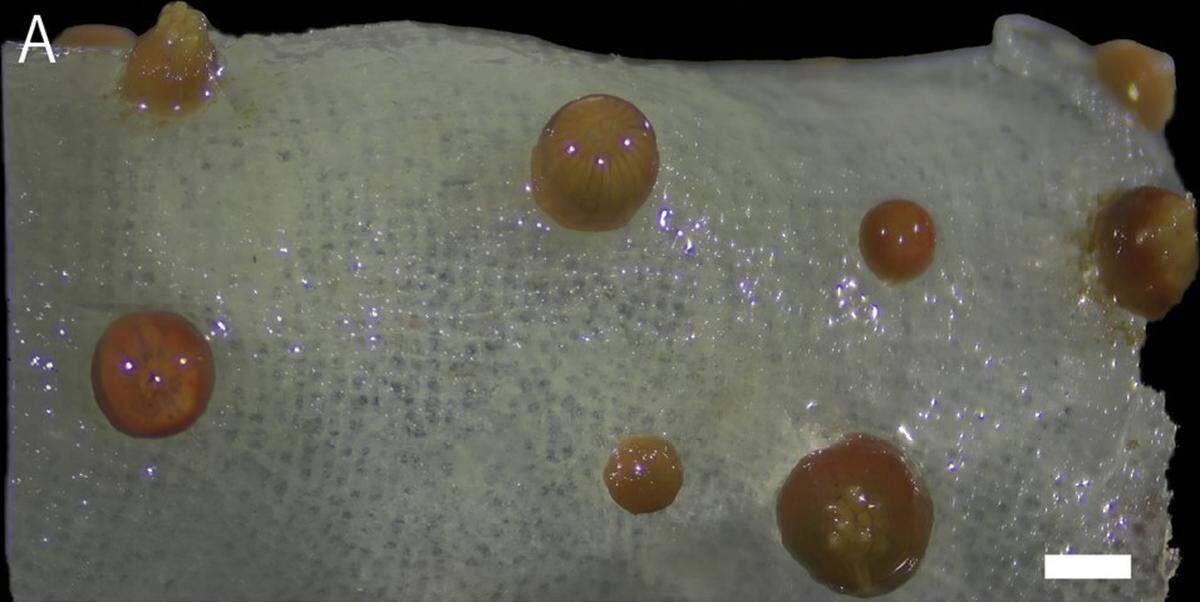
The new species measures less than an inch tall and less than an inch across, the study said. It has between 22 and 26 tentacles, and sections of its body are “encrusted” with sand particles.
Close-up photos show individual small flower zoantharians. Researchers said they named the new species after the Latin word “‘flosculus,’ meaning ‘small flower’ or ‘floweret,’” because of its appearance.
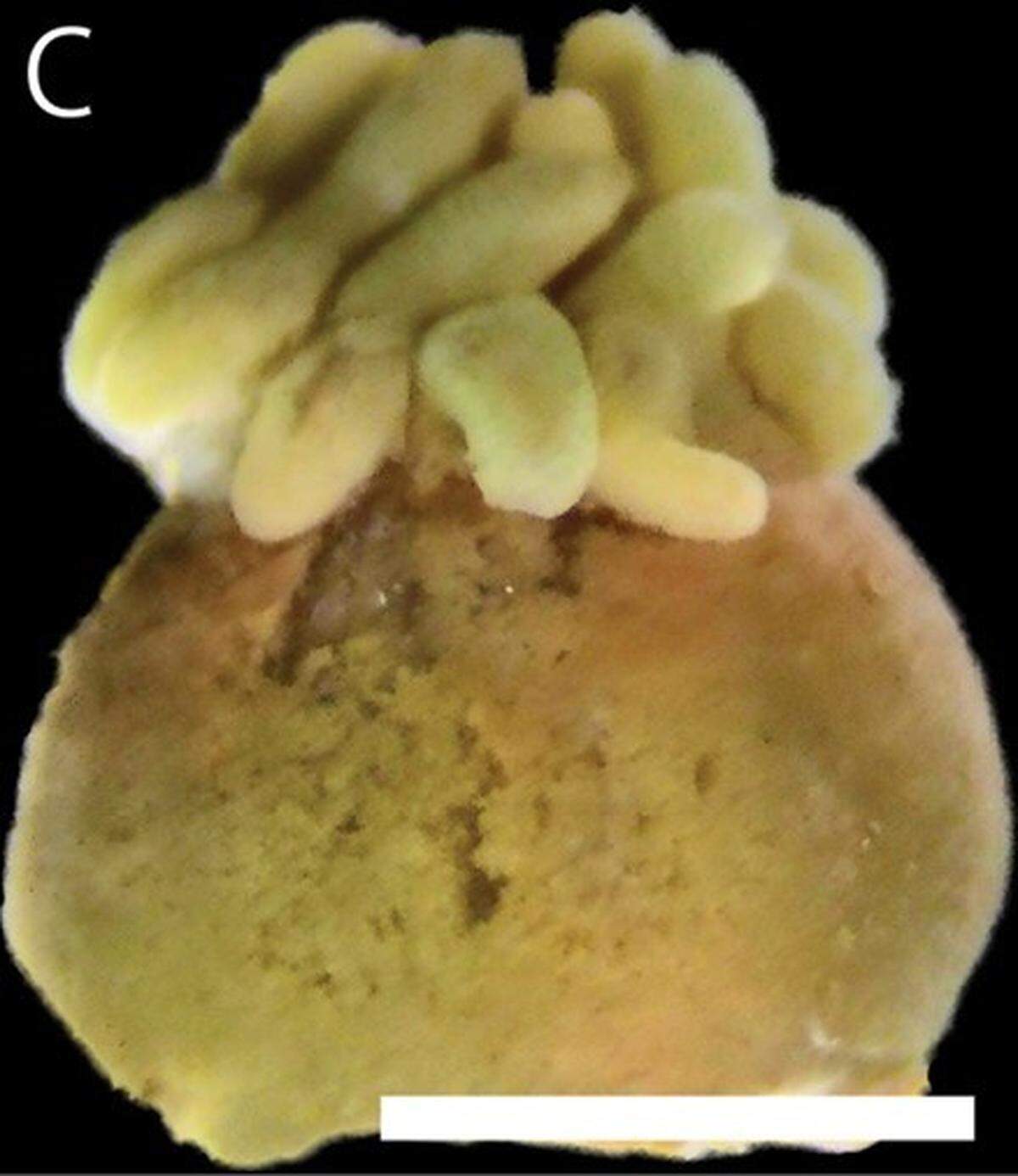
The new species lives on glass sponges with its base “embedded in tissue of (the) sponge,” researchers said. It was found “attached to rocks on the summit of the Shoho Seamount.”
So far, the new species has only been found at one seamount off the coast of Japan, but researchers suspect it lives elsewhere in the Northwestern Pacific Ocean, the study said.
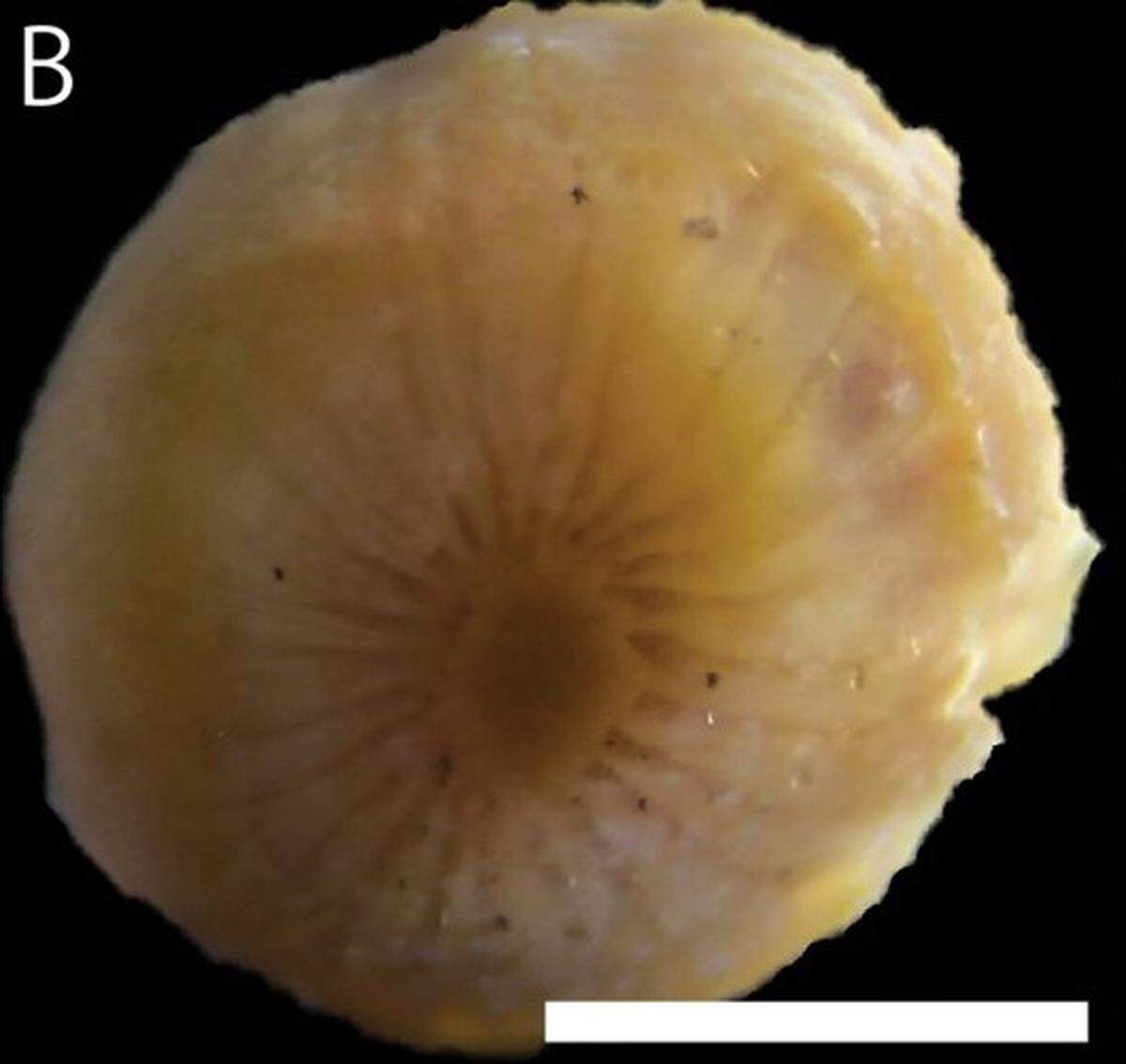
The new species was identified by its DNA, preferred host, texture, tentacles and internal anatomy, the study said.
The research team included Hiroki Kise, James Reimer, Akira Iguchi, Yuji Ise, Shinji Tsuchida and Yoshihiro Fujiwara.
This story was originally published December 27, 2024 at 2:00 PM with the headline "‘Flower’-like sea creature — with 22 tentacles — found off Japan. It’s a new species."