‘Large’ creature discovered in cave smelling of rotten eggs in Iran. It’s a new species
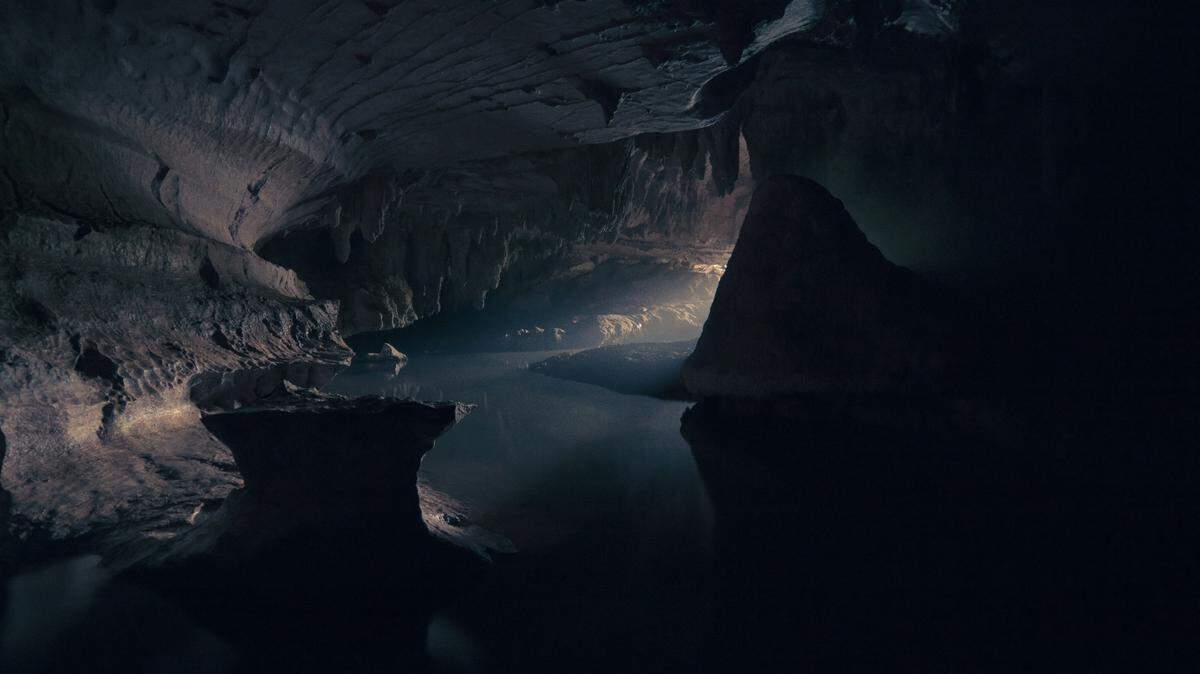
In their quest to find new species, researchers trudge through muddy swamps, climb towering mountains, and in one case, climbed down into a rocky cave as the smell of rotten eggs hit them in the face.
This was the reality for a research team in Iran as they stepped into connected caves filled with groundwater, according to a study published Nov. 15 in the peer-reviewed European Journal of Taxonomy.
The “stinky” cave water was rich in hydrogen sulfide, a naturally occurring gas created by decay and reactions with soil and rocks, according to the study.
While the researchers may have had to pinch their noses to continue their work, it paid off. Swimming in the water below them were “large-sized” isopods, big enough to see with the naked eye, researchers said.
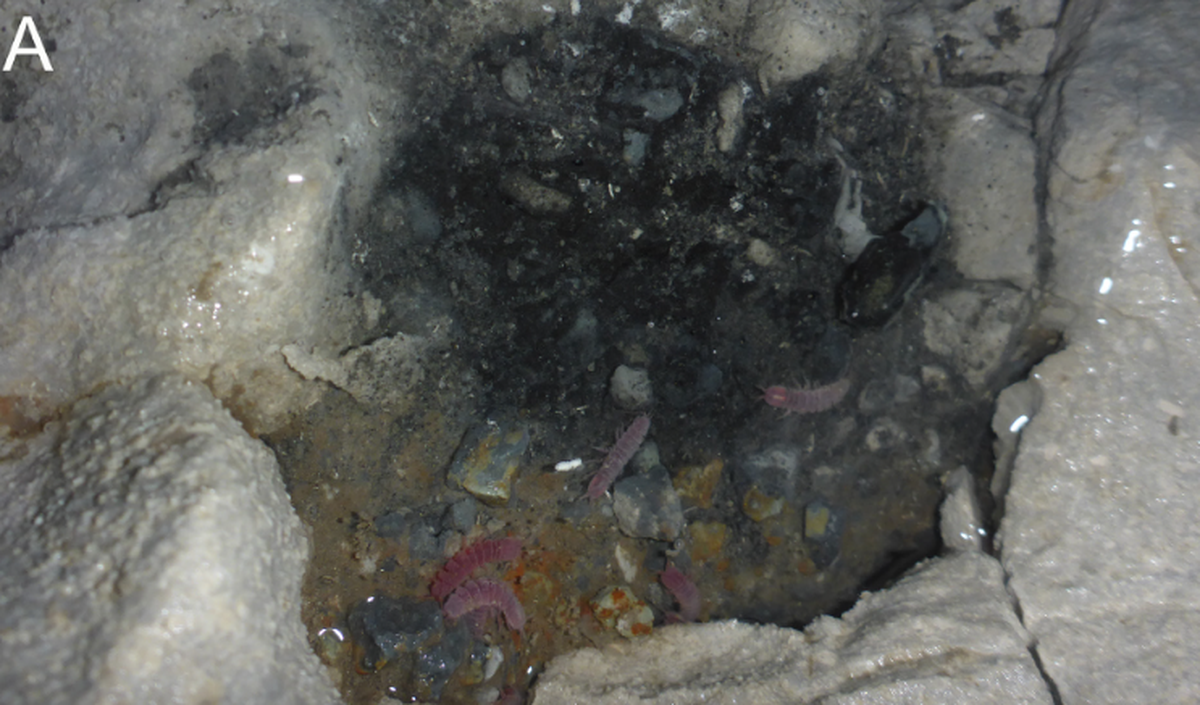
The animals’ “coral pink” color was in sharp contrast with the darkness of the cave and the brown and gray rocks. Researchers collected the isopods with hand nets and took a closer look.
The pink creatures were new to science and described for the first time.
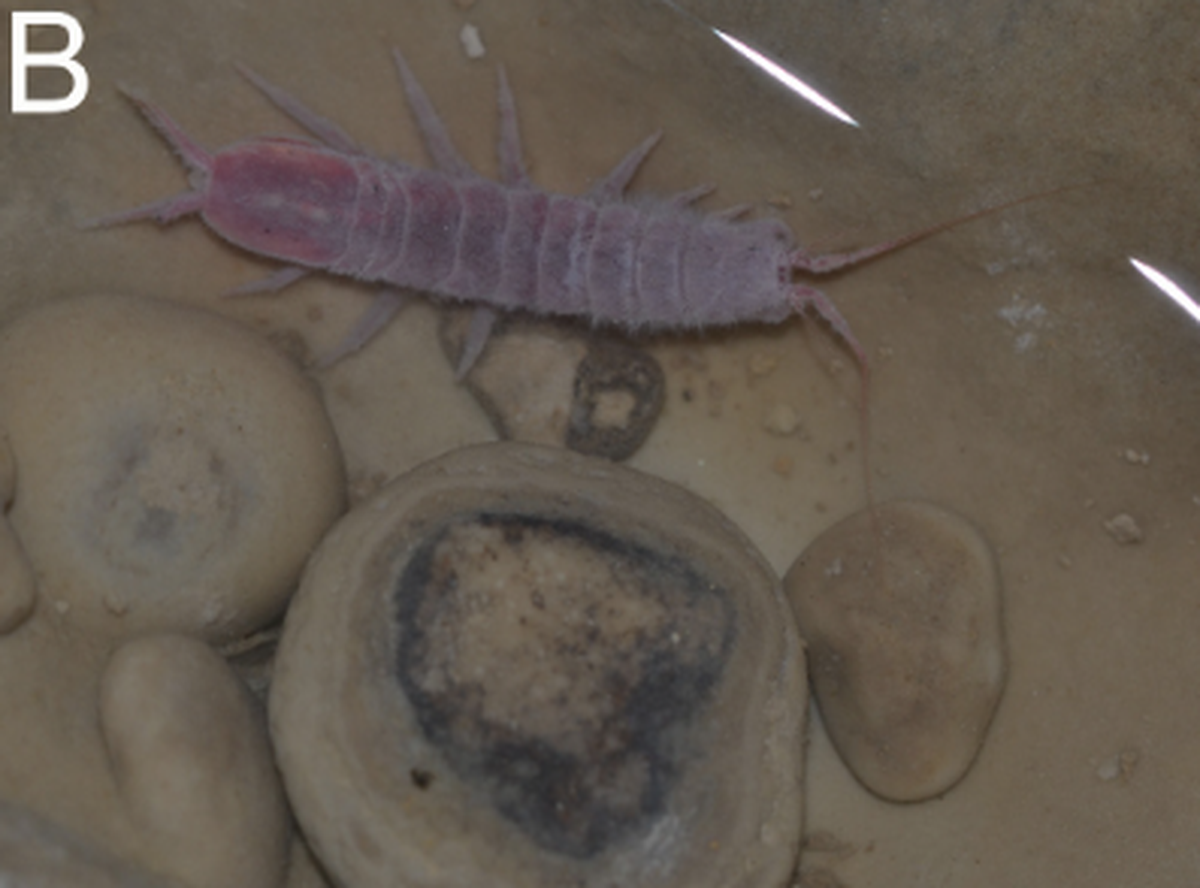
Stenasellus stygopersicus earns its name from the place it calls home, a combination of “stygo,” from the ancient Greek “stýx,” and “persicus” in reference to Persia, according to the study.
Males of the species are about half an inch long, with a coral-colored body and “trapezoidal” head, researchers said.
Females, on the other hand, are much bigger.
“In the sample containing three adult males and six adult females, the body size of the longest female (0.88 inches) is almost two times that of the longest male (0.46 inches),” researchers said.
All species in this genus are “eyeless,” likely because of their pitch black environment, and all have been found in groundwater, according to the study. The size and sexual dimorphism (male and female differences) sets the new species apart from other related isopods, researchers said.
“The new species was discovered in Chah Kabootari Cave or in local language Chal Kabootari, which means ‘nest of pigeons.’ Aquatic habitats consist of a stream running through the cave and water pools, some of which are rich in hydrogen sulfide content,” researchers said. “At certain periods of the year, a thick white biofilm develops at the water surface of the pools.”
The cave is located outside Tashan City, in southwestern Iran near the Persian Gulf.
Isopods are invertebrates that belong to the same crustacean group as crabs and shrimp, according to the National Oceanic and Atmospheric Administration. They can be found around the world, in both saltwater and freshwater, including mountain pools and the deep sea.
The research team includes Jure Jugovic, Mohammad Javad Malek-Hosseini, Colin Issartel, Lara Konecny-Dupré, Matjaž Kuntner, Yaser Fatemi, Jean-François Flot, Christophe J. Douady and Florian Malard.
This story was originally published November 26, 2024 at 10:41 AM with the headline "‘Large’ creature discovered in cave smelling of rotten eggs in Iran. It’s a new species."