‘Large’ creature with ‘sharp’ claws found lurking under rocks. It’s a new species
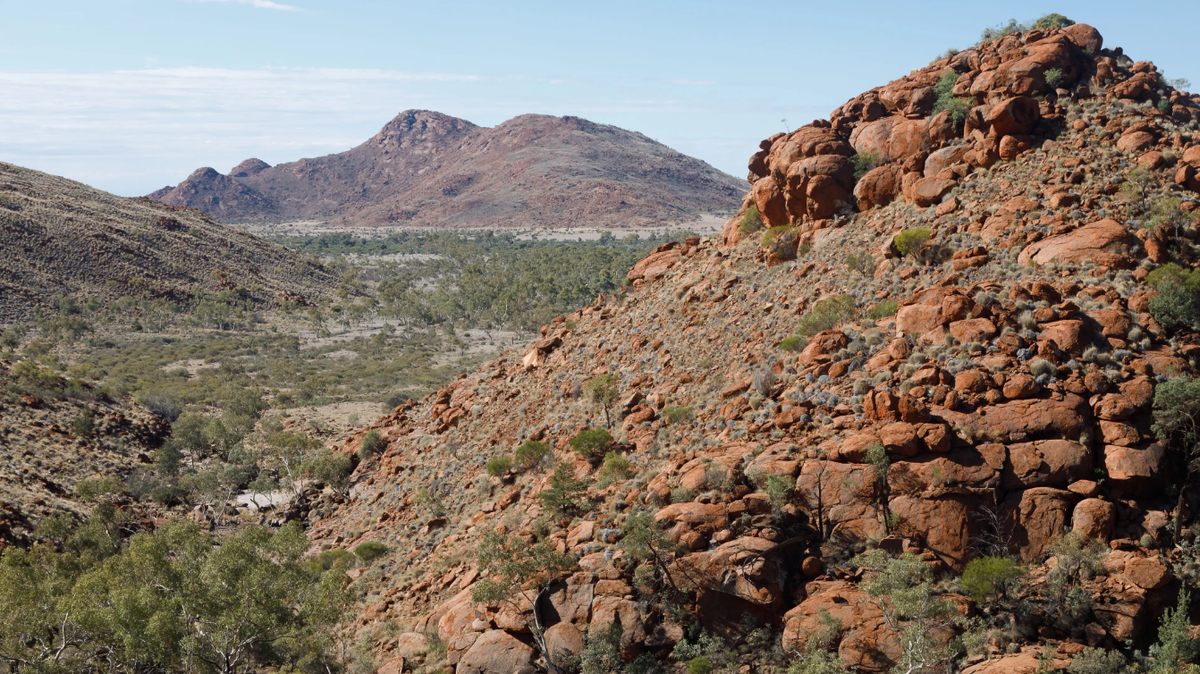
In a rocky desert of central Australia, a “large” creature with a “pointed” snout hid under some boulders. Its remote home likely helped it go largely unnoticed — until now.
When visiting scientists finally spotted the scaly animal, it turned out to be a new species.
Researchers from Monash University headed into an Aboriginal region of South Australia in 2023 to search for wildlife, the university said in a Nov. 15 news release. The team suspected some lizards living in the remote Central Ranges desert were being misidentified.
To investigate, researchers tracked down several of these bronze lizards, carefully documented their appearances and released the animals. They also found a few similar-looking museum specimens and analyzed the DNA, according to a study published Nov. 1 in the peer-reviewed journal Zootaxa.
A pattern began to emerge. The lizards from the Central Ranges were physically and genetically distinct. Researchers realized they’d discovered a new species: Liopholis aputja, or the Central Ranges rock skink.
Central Ranges rock skinks are considered “moderately large,” reaching almost a foot in length, the study said. They have “robust” bodies, “long” tails and “sharp” claws. Their heads have “pointed” snouts and “large” ear openings.
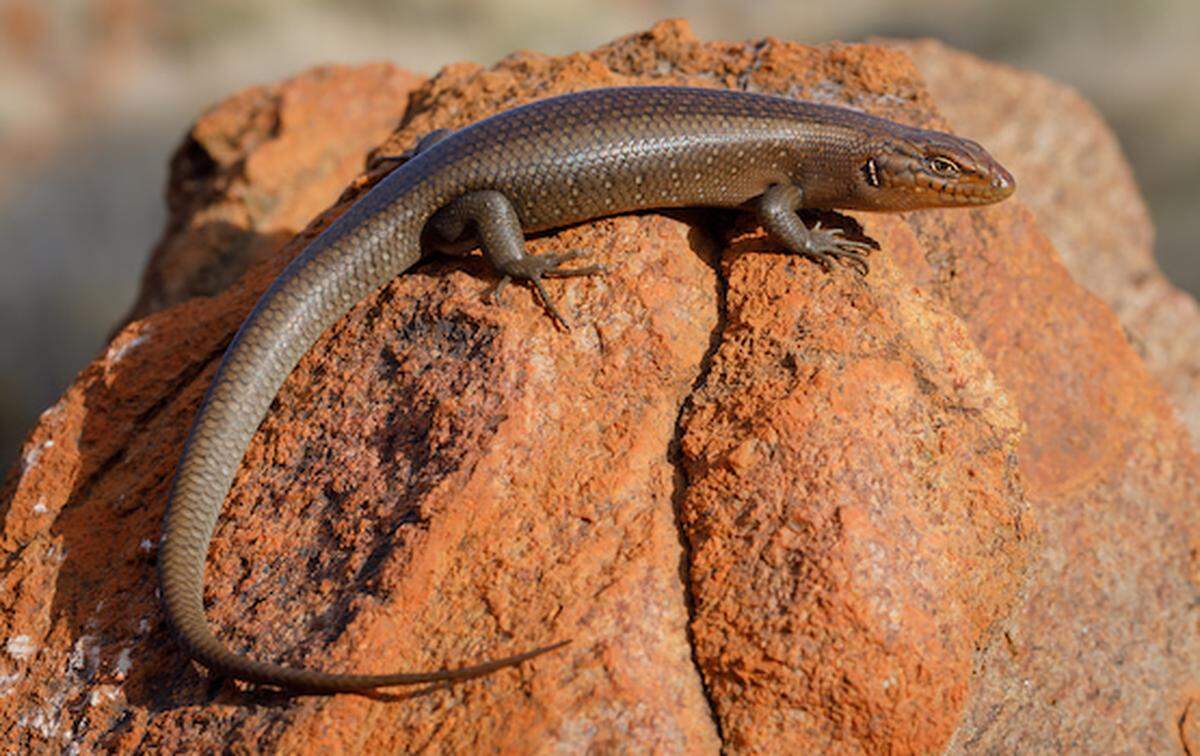
A photo shows the “dull orangish-brown” coloring of the new species. The lizard’s appearance varied but generally included a “salmon orange” throat and a creamy white stomach, researchers said.
Central Ranges rock skinks live in “rocky hills and gorges,” where they dig “burrow systems in the soil beneath boulders and into soil-filled rock crevices,” the study said. The skinks are most active during the day but “occasionally active at night in hot weather.”
Researchers said they named the new species “aputja,” an Aboriginal language word meaning “of the hills,” because of its preferred habitat. The new species’ common name refers to the Central Ranges bioregion where it was discovered.
“Australia is very rich in biodiversity, but we still have a lot of species out there that we don’t know about, especially in remote and understudied regions, so these discoveries are critical to protecting them,” study co-author Jules Farquhar said in the university news release.
“It’s been great to collaborate with the rangers, traditional owners and knowledge holders across APY (Aṉangu Pitjantjatjara Yankunytjatjara) Lands to bring this project together,” Farquhar told the Biodiversity Council in a Nov. 12 news release.
So far, the new species has only been found at a few sites in the APY Lands region of South Australia, roughly 1,300 miles northwest of Sydney.
The new species was identified by its size, snout shape, feet, ears, coloring and other subtle physical features, the study said. DNA analysis found the new species had at least 12% genetic divergence from other related skink species.
The research team included Jules Farquhar, Jordan Mulder, Wyn Russell, Margaret Haines, Anangu Rangers and David Chapple.
This story was originally published November 21, 2024 at 1:29 PM with the headline "‘Large’ creature with ‘sharp’ claws found lurking under rocks. It’s a new species."