‘Extremely rare’ mammal with cubs on its back walks past camera in India. Take a look
On a nature reserve in central India, an “extremely rare” mammal meandered through the trees with two cubs flopped across its back. Its presence triggered a nearby trail camera — and resulted in a first-of-its-kind sighting.
Researchers set up dozens of trail cameras in the Panna Tiger Reserve from 2019 to 2021 to survey tigers, according to a Sept. 26 study published in the peer-reviewed Journal of Threatened Taxa. The motion-sensor cameras ended up capturing some much rarer scenes.
On several occasions, the cameras photographed a shaggy brown bear identified by researchers as an “extremely rare” leucistic sloth bear.
Sloth bears are a vulnerable species found across India. They normally have long, black fur with a cream-colored marking on their chest, according to the Smithsonian’s National Zoo and Conservation Biology Institute. They’re smaller bears, reaching about 3 feet in height and roughly 300 pounds in weight.
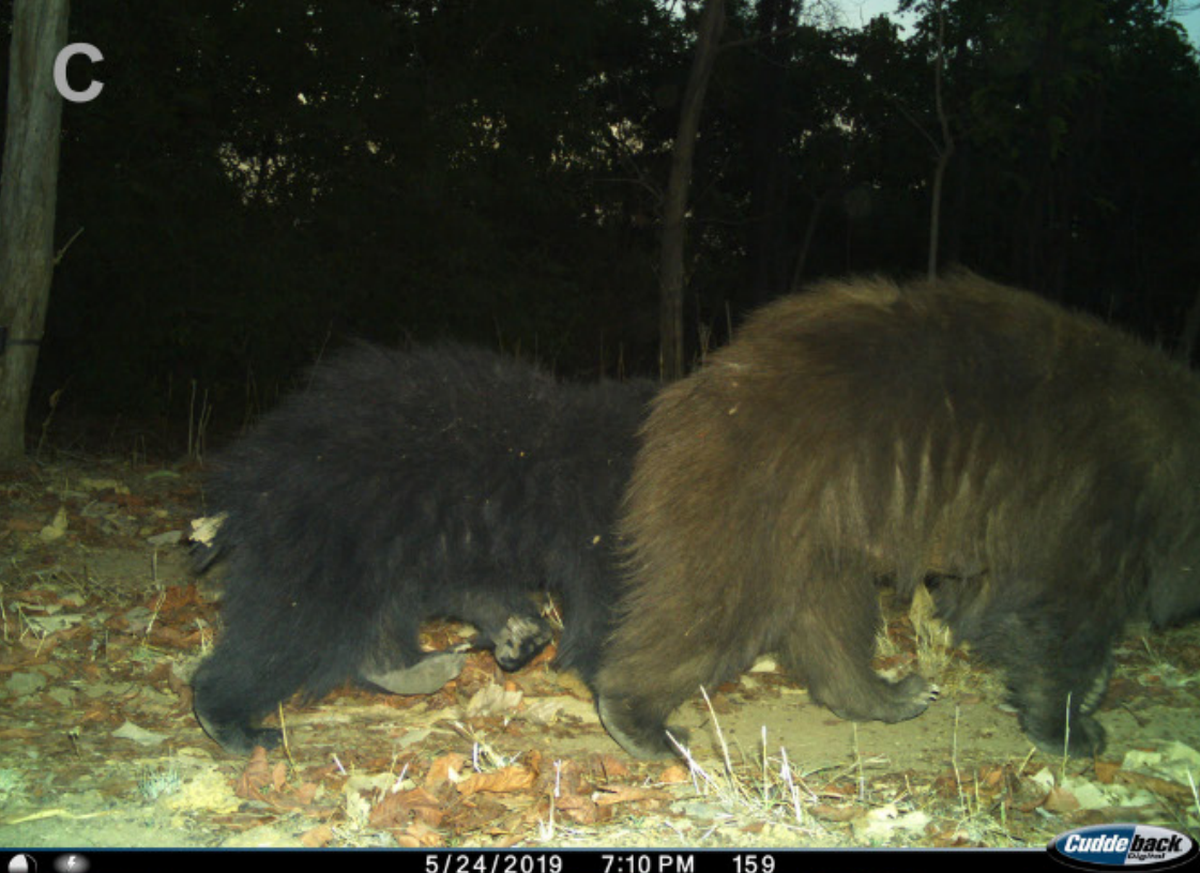
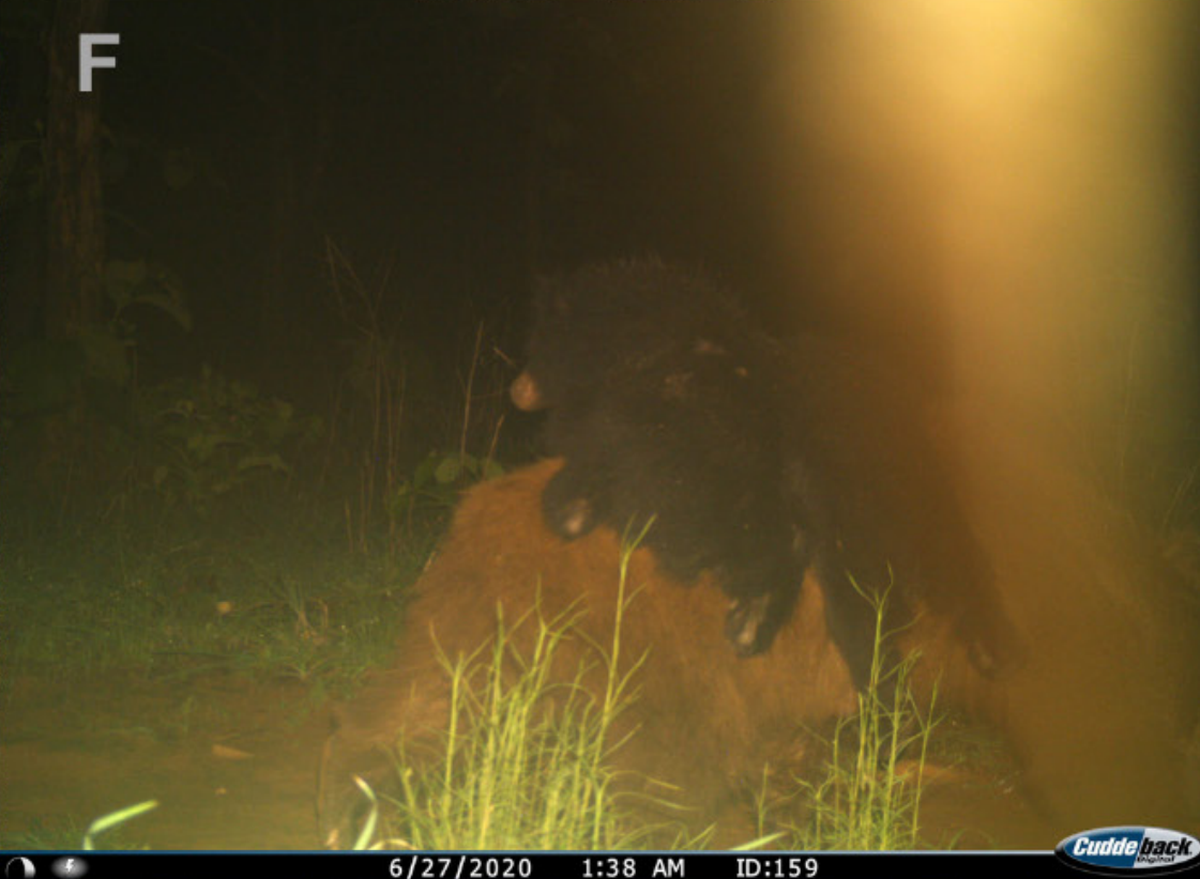
A photo taken at the tiger reserve in 2019 shows a brown leucistic sloth bear walking in front of a normal-colored yearling. Other photos from 2020 show a leucistic bear carrying two black cubs on its back.
Leucism is a rare genetic condition causing a loss of pigment in skin and hair. Unlike with albinism, leucistic individuals “retain normal eye color,” the study said. The condition is “extremely rare” in animals, possibly because it can lead to “increased threats” and “reduced foraging opportunities.”
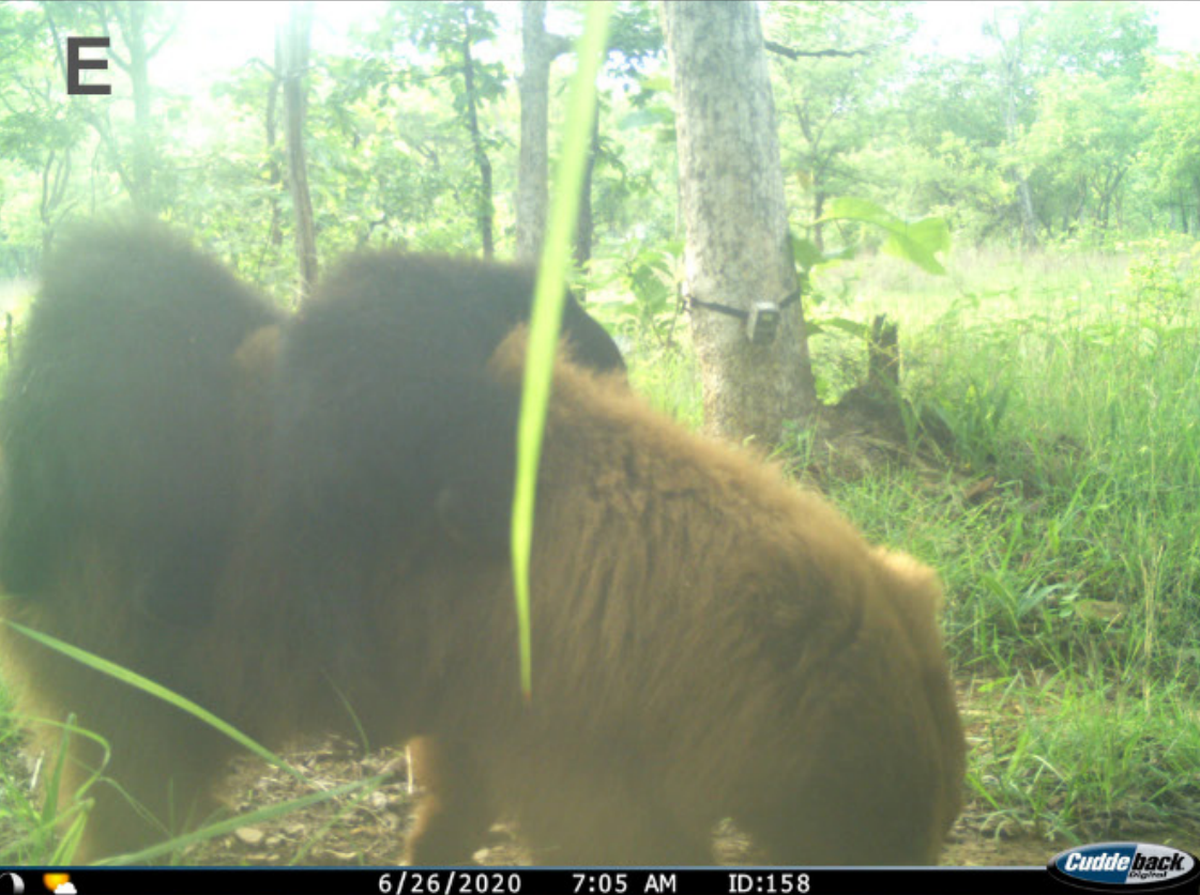
Trail cameras at Panna Tiger Reserve recorded nine leucistic sloth bear sightings over three years. Because of the rarity of leucism, researchers suspect these are the same female bear. However, sloth bears are very difficult to differentiate so they are not certain.
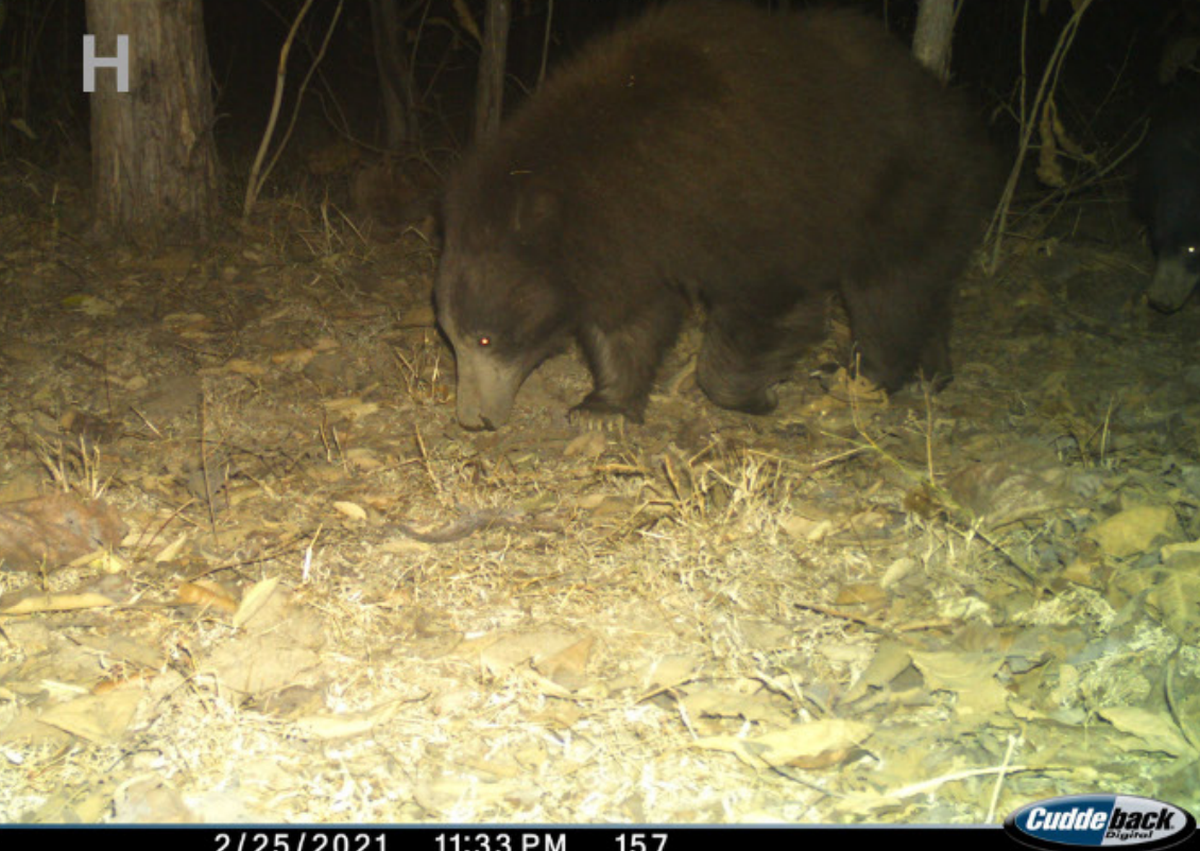
Another photo taken in 2021 shows a leucistic sloth bear being followed by a normal-colored cub, its snout just visible on the edge of the frame.
Stories about abnormally colored “brown” sloth bears have circulated for decades, but the trail camera photos were the first confirmed sighting of such an animal in Panna Tiger Reserve.
Tiger surveys at the reserve are ongoing. Researchers hope the surveys will provide more details into these rare leucistic bears.
Panna Tiger Reserve is in the central state of Madhya Pradesh and a roughly 400-mile drive southeast of New Delhi.
The research team included Sankarshan Chaudhuri, Supratim Dutta and K. Ramesh.
This story was originally published October 10, 2024 at 8:40 AM with the headline "‘Extremely rare’ mammal with cubs on its back walks past camera in India. Take a look."