Orcas with knives and humanoids: 2,000-year-old ‘billboards’ found in Peru by AI
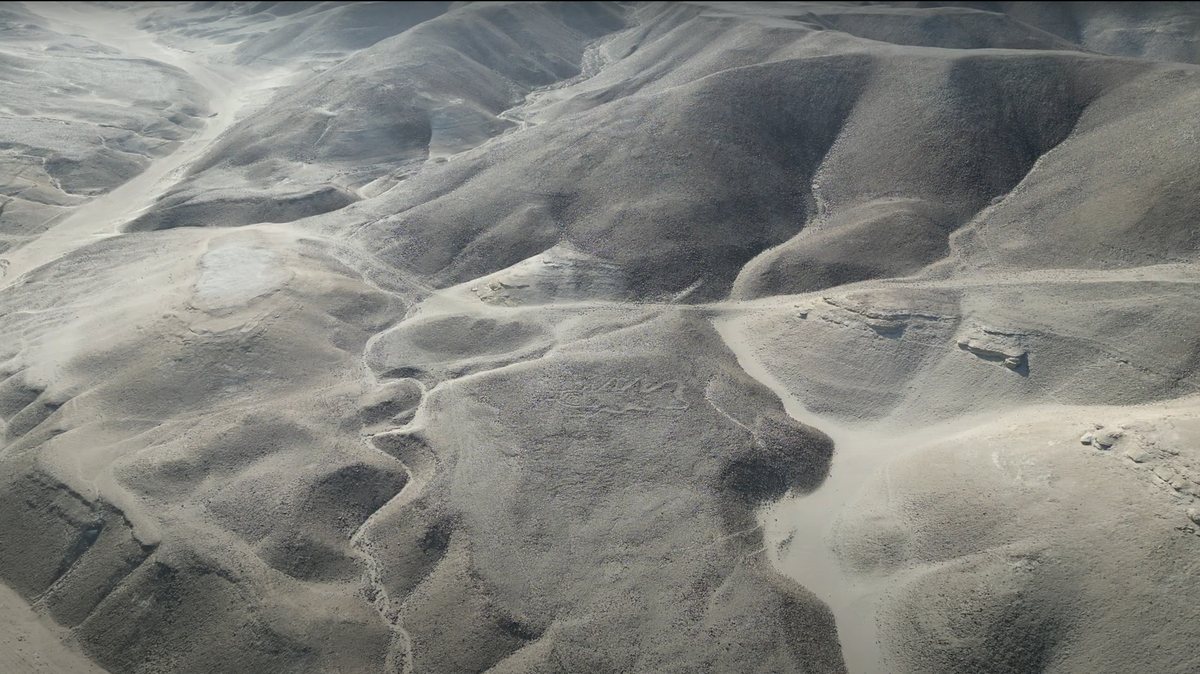
Archaeologists recently found over 300 more ancient geoglyphs in the desert of southern Peru with the help of artificial intelligence. The drawings functioned like 2,000-year-old “billboards” and depicted human-like figures, orcas with knives and decapitated heads, among other shapes.
Ever since the Nazca lines were rediscovered in the early 1900s, these ancient geoglyphs captured the attention of people around the world. But relocating these far-flung figures hasn’t been easy.
For decades, finding geoglyphs involved surveying huge swaths of the Nazca desert either by foot or plane then manually searching the ground or photographs of it for unnatural shapes. The traditional method was “highly inefficient” and “took nearly a century” to find about 430 geoglyphs, according to a Sept. 23 study published in the peer-reviewed journal Proceedings of the National Academy of Sciences.
A joint team of archaeologists and computer scientists thought there was a more efficient way: using artificial intelligence, or AI.
Researchers built an AI model and used it to identify possible sites of Nazca geoglyphs, the study said. They focused on “relief-type geoglyphs” which are smaller and harder to identify. Next, archaeologists evaluated the potential geoglyphs and selected the most promising ones for on-the-ground field surveys.
After six months of surveys, researchers had found 303 more geoglyphs, “almost doubling the amount of known relief-type geoglyphs,” the study said.
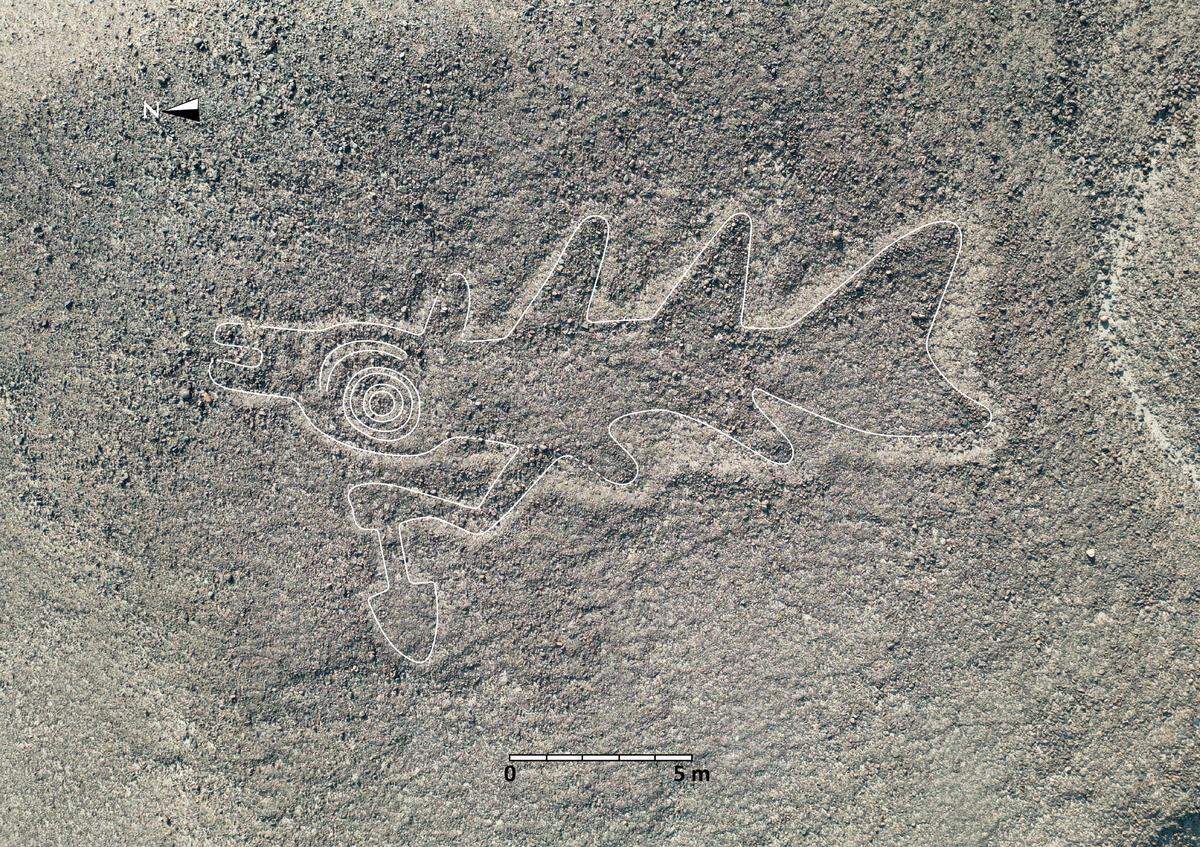
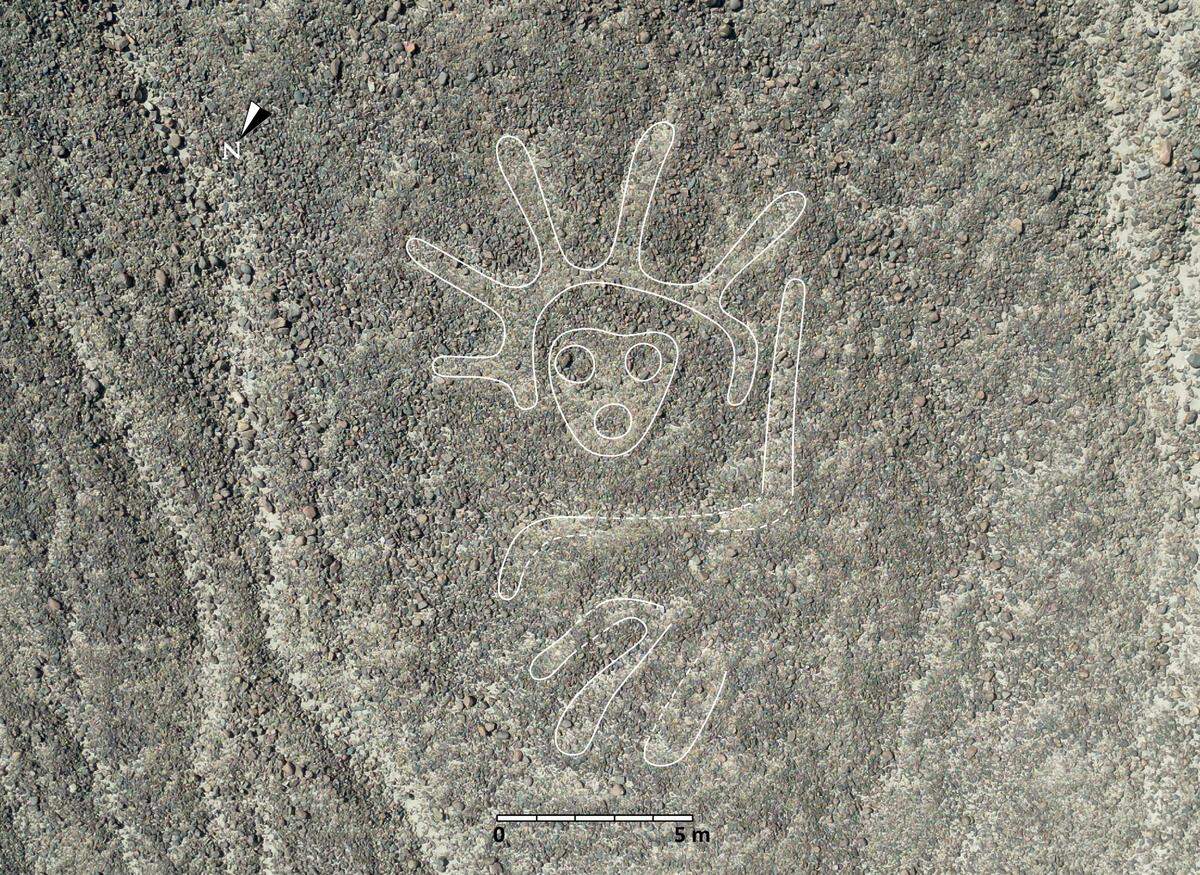
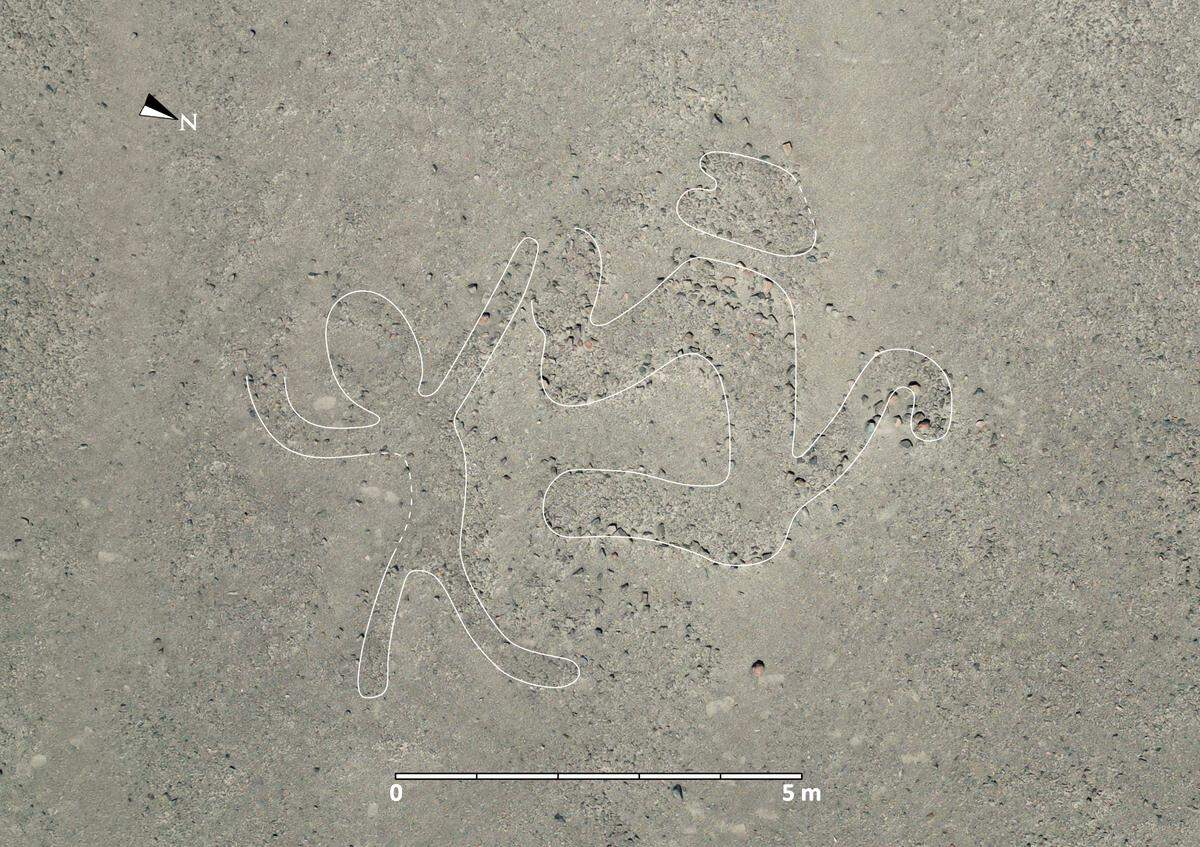
Photos shared with McClatchy News show a few of these 2,000-year-old drawings. Researchers identified them as humanoids, orcas with knives, decapitated heads and domesticated animals.
Researchers also noticed that these smaller, human-focused geoglyphs were “within viewing distance … of ancient trails that crisscross the Nazca Pampa (desert).”
Based on the figures and their location, researchers concluded the geoglyphs “were created to serve as ‘billboards’ to be seen from the trails to share information about human activities,” Yamagata University said in a Sept. 24 news release.
Other geoglyphs, the larger “line-type” drawings, were focused on animal motifs, visible from larger pathways and likely “used by the community for ceremonial purposes,” the study said.
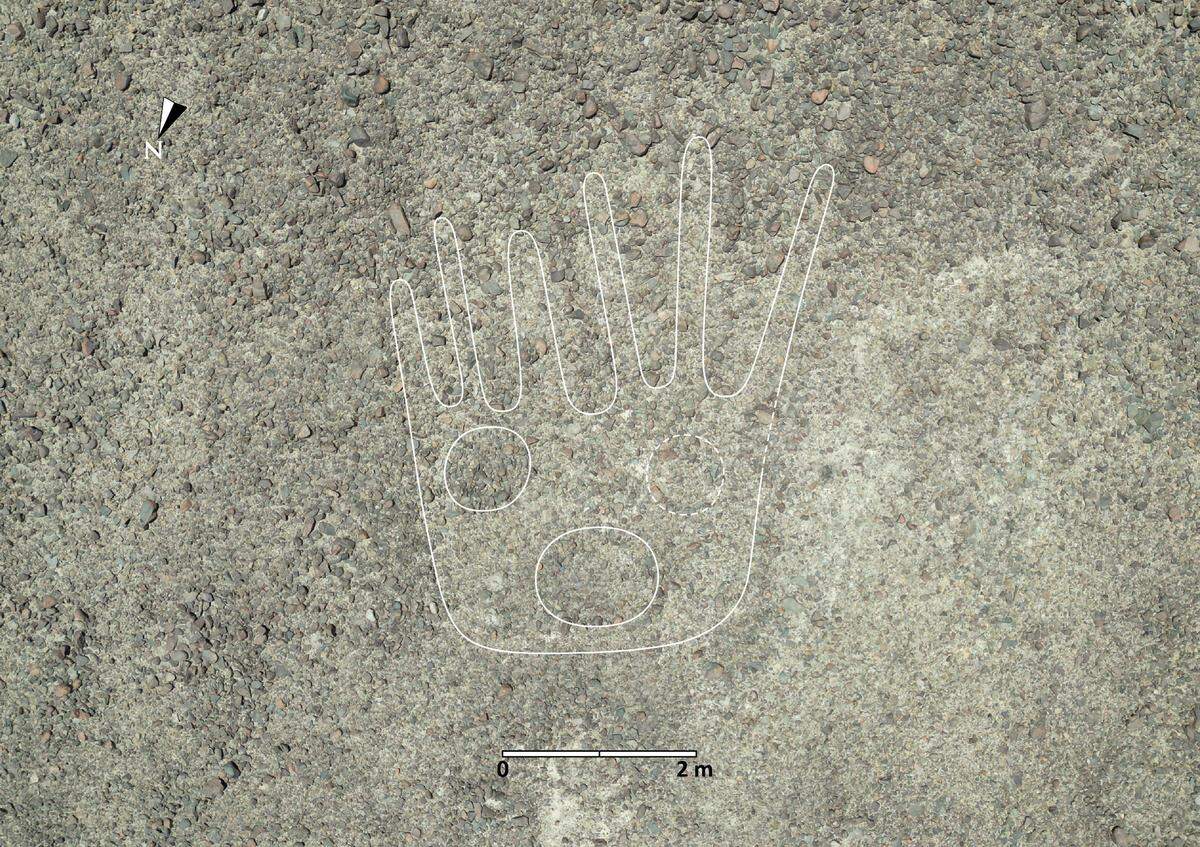
The AI model identified 968 more potential geoglyphs sites that researchers have not yet surveyed, the study said. Researchers expect several hundred of these to be authentic geoglyphs and hope to investigate these sites in the future.
Researchers believe the new AI-supported method “represents a game changer” by allowing experts “to shift to valuable, targeted fieldwork,” the study said.
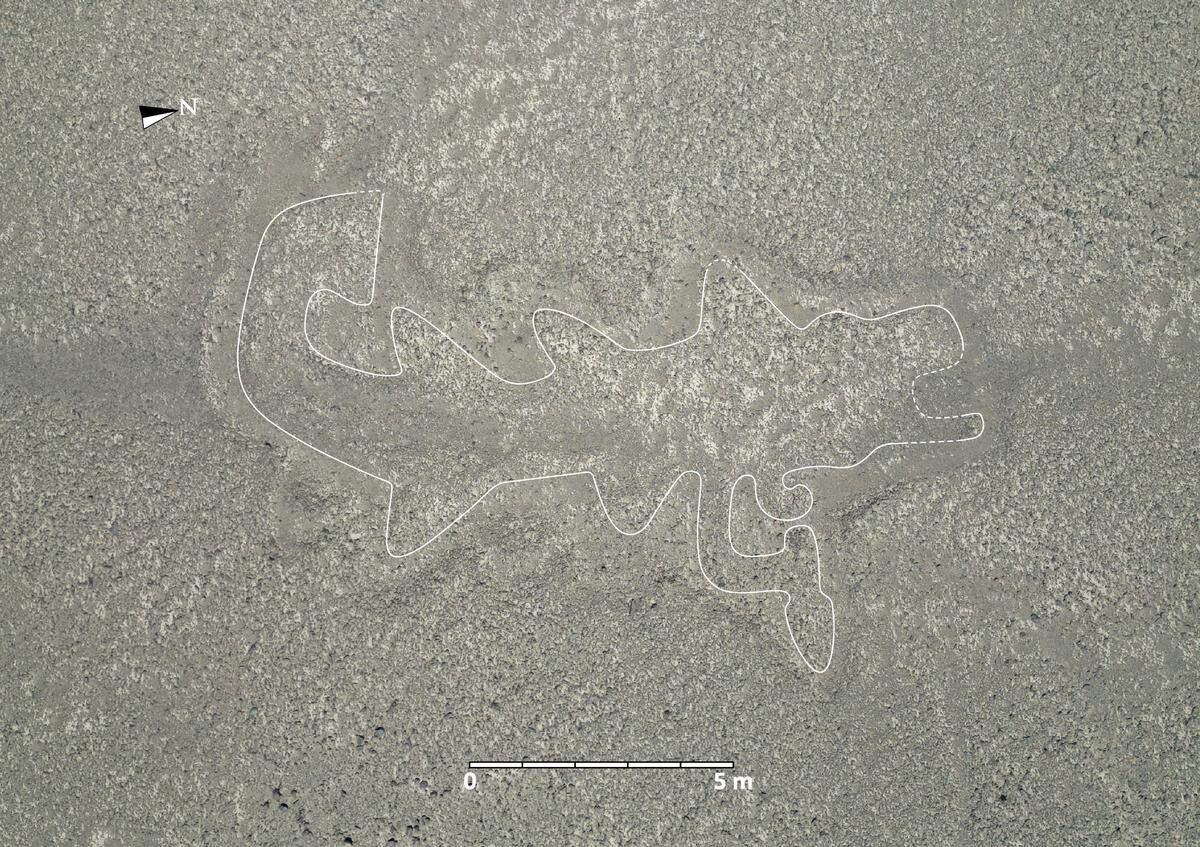
“AI may be at the brink of ushering in a revolution in archaeological discoveries,” researchers said.
The research team included Masato Sakai, Akihisa Sakurai, Siyuan Lu, Jorge Olano, Conrad Albrecht, Hendrik Hamann and Marcus Freitag.
This story was originally published September 27, 2024 at 1:20 PM with the headline "Orcas with knives and humanoids: 2,000-year-old ‘billboards’ found in Peru by AI."