Chapel destroyed in German peasant revolt forgotten for centuries — until now. See it
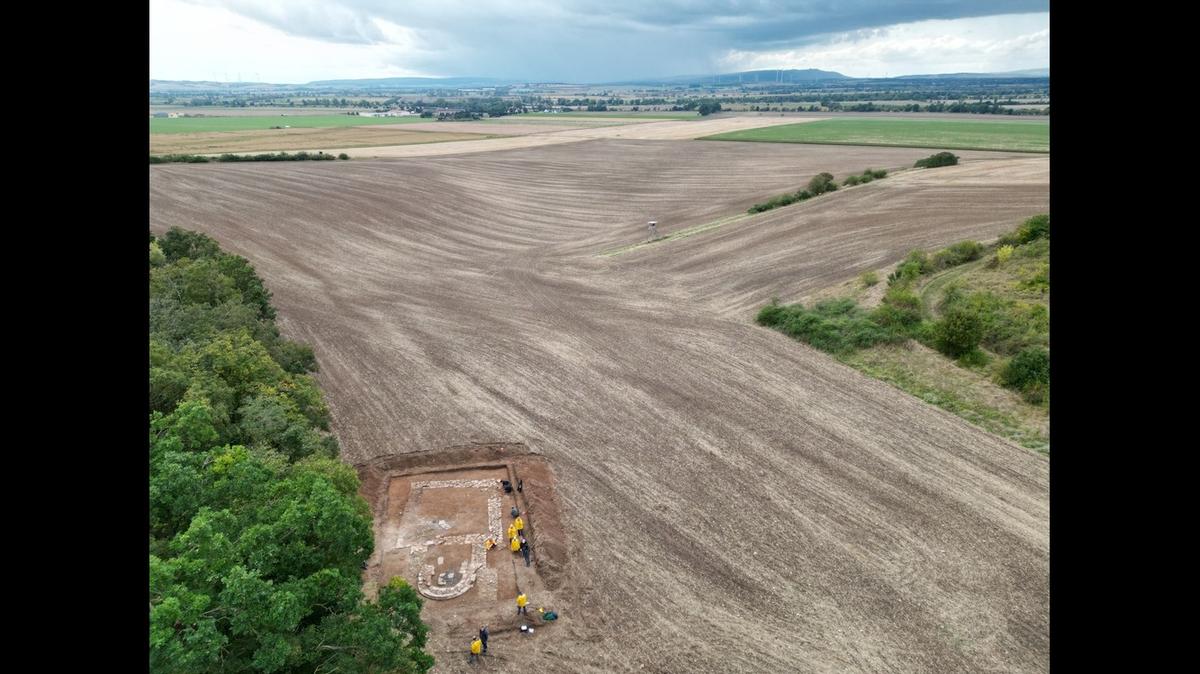
During the first half of the 16th century, the poor in central Germany were at their wit’s end.
The wealth gap grew ever larger as taxes were handed down from those in power and services were left unprovided to those who were unable to pay.
Then, the first act of revolt in 1524 would light the match that eventually sparked the Peasants’ War.
Thomas Müntzer, a Protestant preacher in Allstedt, Germany, in the 1520s, rose to fame and gained supporters by speaking out against the Catholic Church, according to a Sept. 18 news release from the State Office for Monument Preservation and Archaeology of Saxony-Anhalt.
The church, and connected convent, were responsible for taxing the people of Allstedt, an extreme point of contention in the community.
Müntzer questioned the monastic lifestyle and cult-like worship of saints at the Mallerbach Chapel near where he was preaching at the Chapel of St. Mary, officials said.
In the Mallerbach Chapel, an image of the Virgin Mary crying salty tears was worshiped and thought to have healing powers, officials said, going against Müntzer’s ideals.
On March 24, 1524, sparked by Müntzer’s rhetoric, a group of his supporters plundered, looted and destroyed the Catholic chapel, leaving it to ruin, according to the release.
Uprisings erupted across the German-speaking world in the year that followed as urban lower-class citizens and lesser nobles attacked intellectual, cultural and economic centers, leading to the eventual death of 100,000 in the Peasants’ War, according to Britannica.
Despite kicking off the war, in the centuries since its destruction, the exact location of the Mallerbach Chapel was forgotten, and its history was buried.
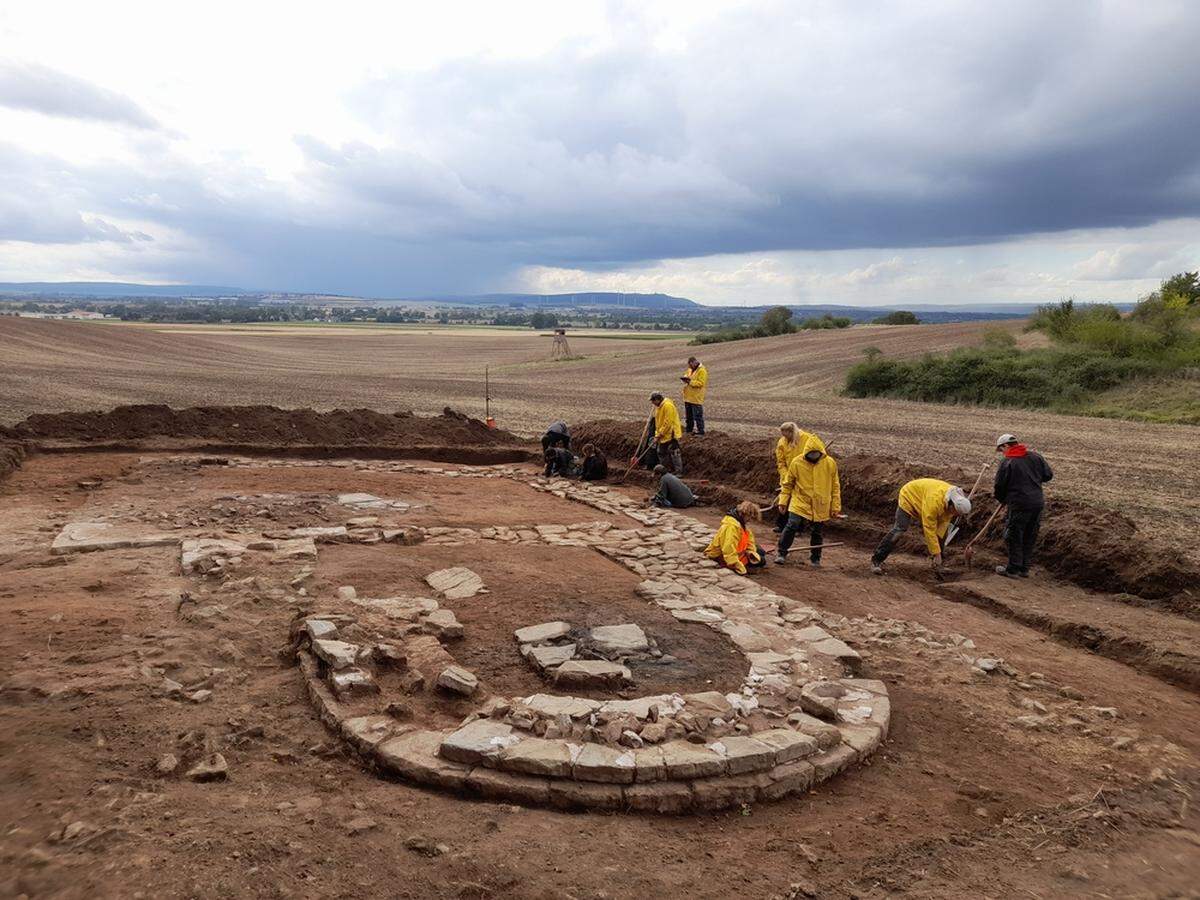
Now, archaeologists have made what they are calling a spectacular discovery. Not only has the location of the chapel been found, but the entire floor plan was uncovered, officials said.
The chapel itself is relatively small, and the hall is about 55 feet long, officials said. There is a rectangular choir and apse in a semicircle shape.
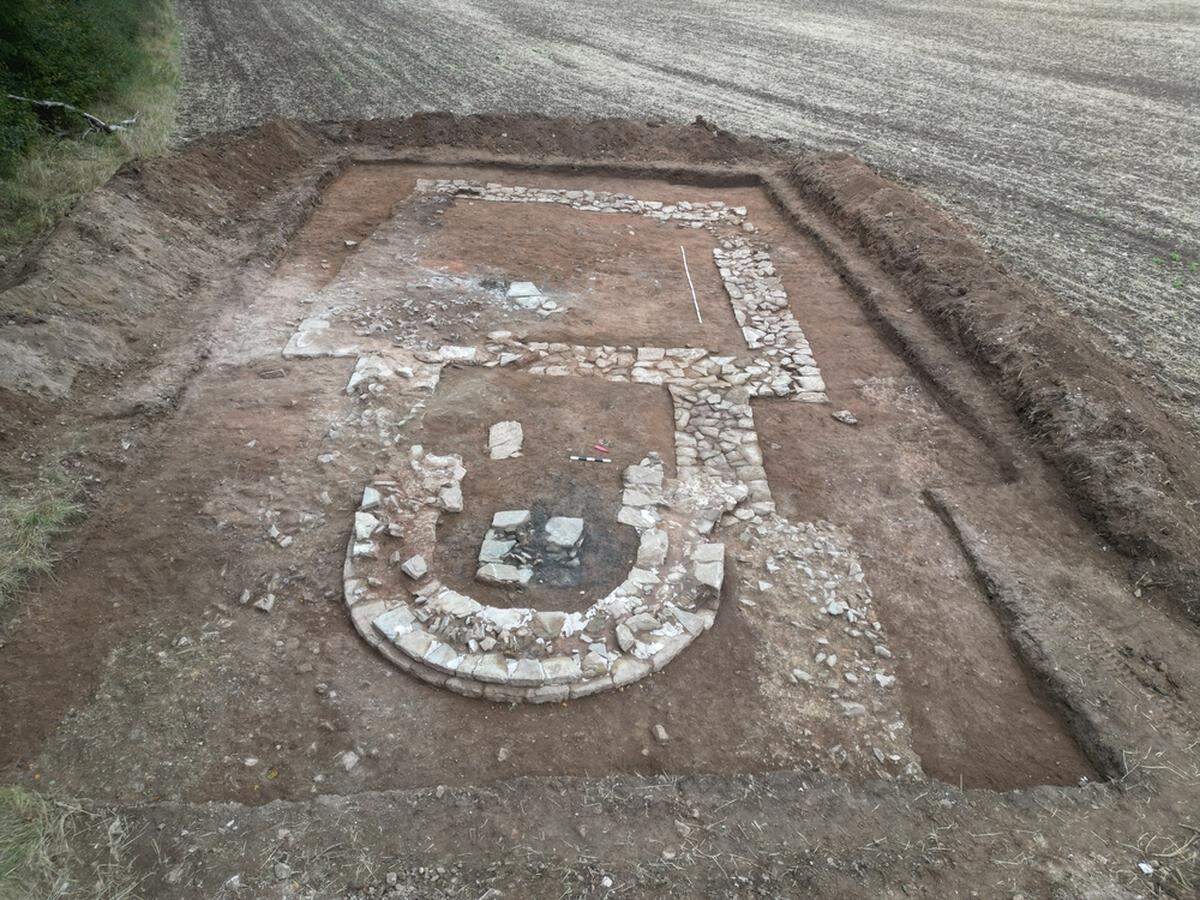
Archaeologists believe it was built in the 12th or 13th century and was originally the church for the village of Mallerbach, which was left dilapidated during the late Middle Ages, according to the release.
Inside, archaeologists found the foundation of the altar with licks of fire, officials said. Broken roof tiles, slate panels and charred wood were found in the nave, and used as evidence of the 500-year-old violent attack.
Archaeologists also uncovered burials around the chapel, predominantly small children from the 15th and early 16th centuries, as well as coins and pilgrimage badges, according to the release.
Allstedt is in central Germany, about a 145-mile drive southwest from Berlin.
Google Translate was used to translate the news release from the State Office for Monument Preservation and Archaeology of Saxony-Anhalt.
This story was originally published September 19, 2024 at 2:38 PM with the headline "Chapel destroyed in German peasant revolt forgotten for centuries — until now. See it."