Prehistoric ‘tigers’ — that could crush bones of prey — found in Australia. See them

On the southern tip of the island of Tasmania in 1936, a wolf-like marsupial was living in the Beaumaris Zoo.
It was the last of its kind, and on Sept. 7, 1936, the animal died from suspected neglect, according to the National Museum Australia.
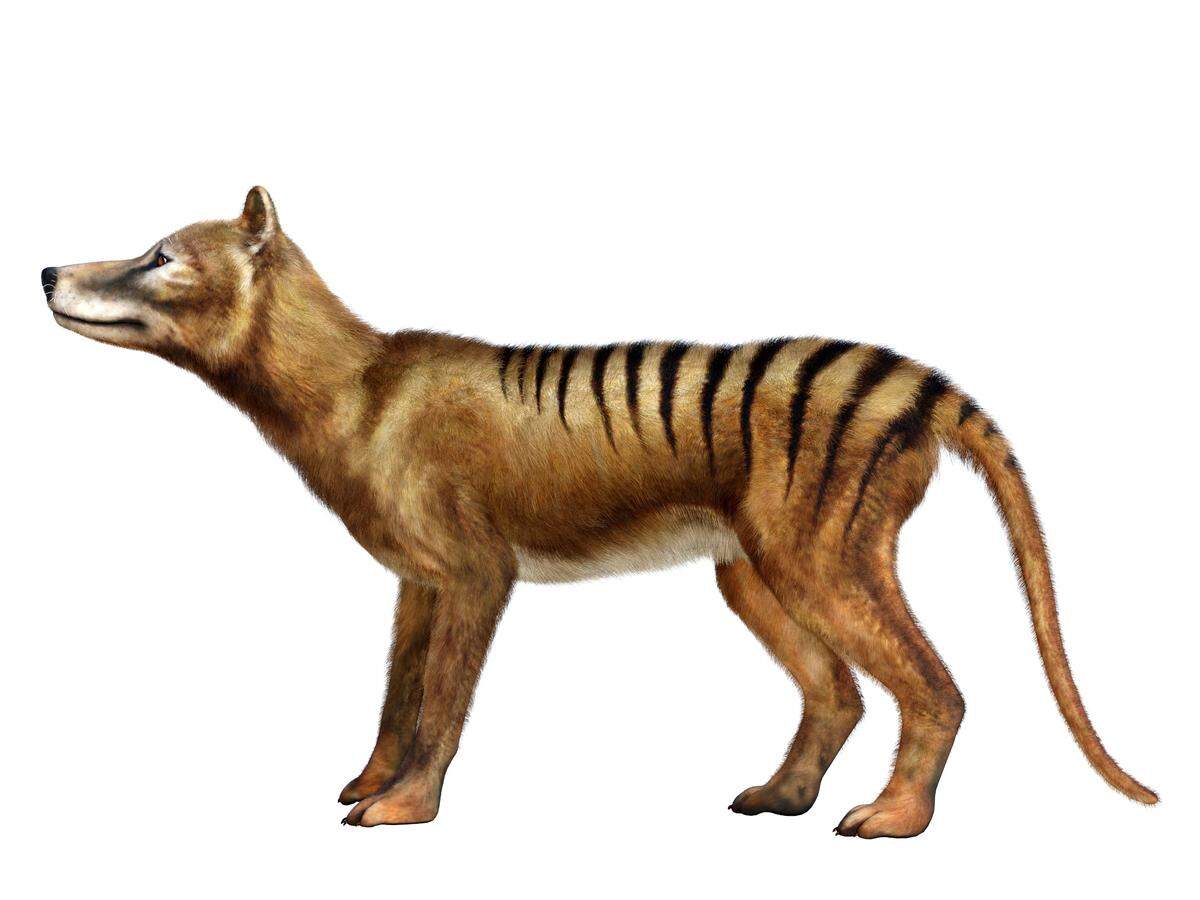
The animal was a thylacine, more commonly known as a Tasmanian tiger.
Thousands of the predator called the island home when the Europeans settled Australia in the early 1800s, the museum said, but after hunting, habitat destruction and exposure to disease, the species died out.
Now, paleontologists searching the fossil deposits in the Riversleigh World Heritage Area in northern Australia have identified members of the tiger’s ancient family — and three new species.
The findings were published Sept. 7 (honoring the day the last Tasmanian tiger died) in the peer-reviewed Journal of Vertebrate Paleontology.
“These new species each roamed Australia around 23-to-25 million years ago, during the late Oligocene, making them the ‘undoubted oldest members of this family ever discovered,’” researchers said in a Sept. 7 news release from publisher Taylor & Francis.
Paleontologists recovered parts of the jaws and teeth from the fossil site, and the bones were used to differentiate the animals from known species, according to the study.
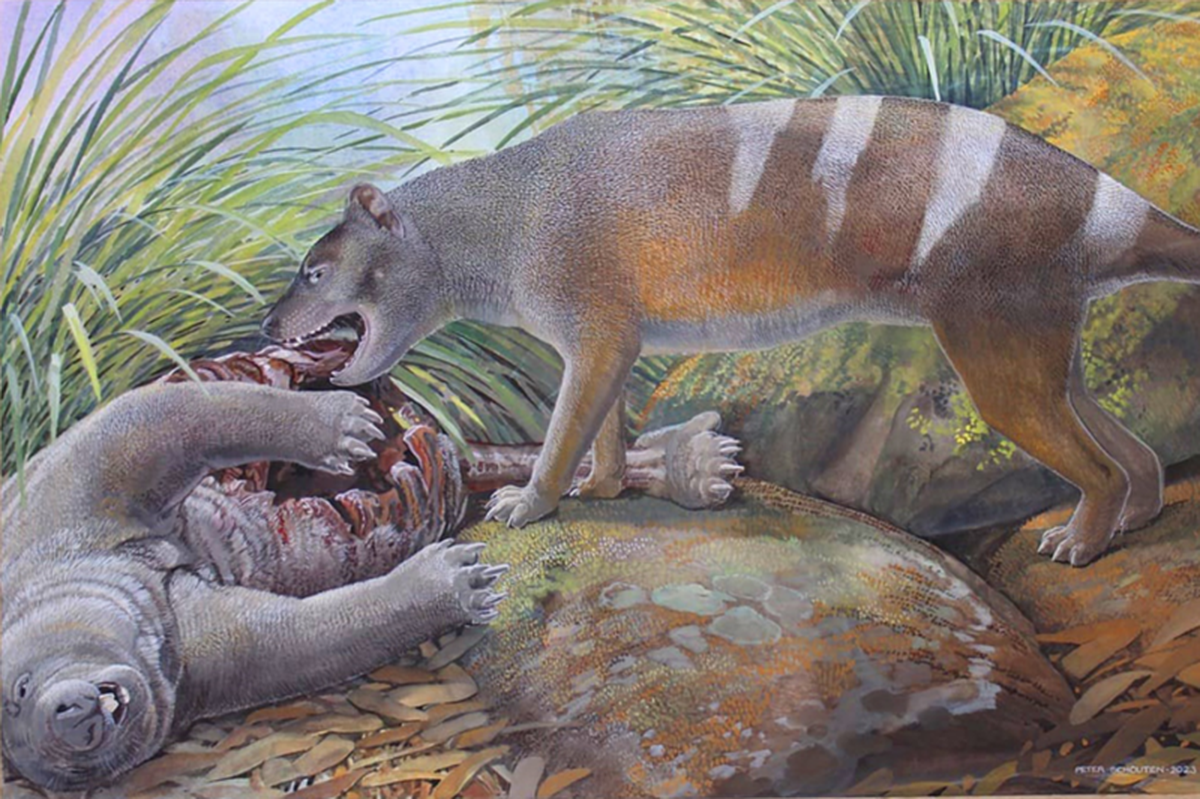
The first new species identified by researchers was Badjcinus timfaulkneri, named after Tim Faulkner, the head of conservation at the Australian Reptile Park, according to the study.
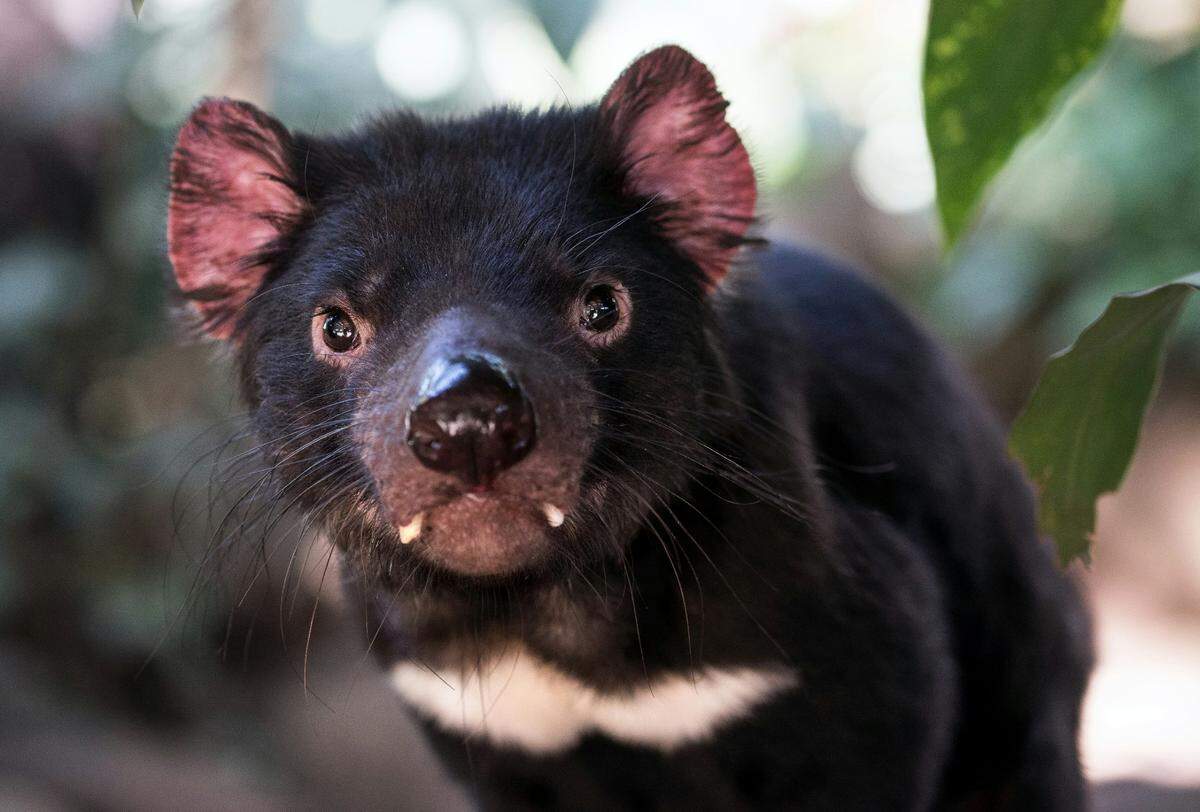
The species was about 15 to 25 pounds, researchers said, roughly the size of a modern-day Tasmanian devil, another species of carnivorous marsupial.
The jawbone was “extremely thick” and would have allowed the animal to crush the bones and teeth of its prey, according to the release.
Because of its location in the fossil record, B. timfaulkneri is the oldest thylacine ever discovered, researchers said.
A second species, Nimbacinus peterbridgei, was also identified by its dentition, according to the study.
The animal was similar in size to a Maltese terrier (8 pounds), researchers said, and would have primarily hunted small mammals that lived in forest habitats.
Of the three new species, N. peterbridgei is most closely related to the modern Tasmanian tiger, according to the study, and is likely the oldest direct ancestor ever found.
The species was named after mineralogist Peter Bridge for his dedication “to bringing the past of Australia’s natural and cultural history into the present,” according to the study.
The last species discovered at the same site was of medium size, but it may have been the most dangerous, researchers said.
Ngamalacinus nigelmarveni was about the size of a red fox and “the blades on the lower molars of the species … are elongated with deep V-shaped carnassial (‘meat-cutting’) notches, suggesting they were highly carnivorous — more so than any of the other thylacinids of similar size,” according to the release.
“The presence of three distinct lineages of specialized thylacinids during the late Oligocene highlights how quickly they diversified after first appearing in the fossil record,” study author Michael Archer said in the release. “... All but one of these lineages, the one that led to the modern Thylacine, became extinct around 8 million years ago.”
Archer said the entire lineage survived for more than 25 million years, then was ended “with the death of Benjamin, the last Tasmanian Tiger in Hobart’s Beaumaris Zoo on the 7th of September 1936.”
The fossils were found in northwestern Queensland, a territory on the northeast coast of Australia.
The research team included Timothy J. Churchill, Michael Archer and Suzanne J. Hand.
This story was originally published September 10, 2024 at 12:57 PM with the headline "Prehistoric ‘tigers’ — that could crush bones of prey — found in Australia. See them."