Coca — used to make cocaine — discovered in brains of 17th-century bodies in Italy
Accounting for $1.5 billion in 2020, the cocaine drug market is the second largest illegal drug market in the world.
It comes from Erythroxylum coca, a plant native to South America that local people would chew centuries ago with lime and roasted shells to achieve the sought-after high.
Despite Spaniards later learning about the practice during the inquisition of South America, consumption of coca was relatively rare in Europe until the 19th century, according to a study published Aug. 3 in the Journal of Archaeological Science.
Now, researchers in Italy have found traces of the plant in the brains of mummified hospital patients from the 17th century, centuries before its widespread use recreationally and in medicine.
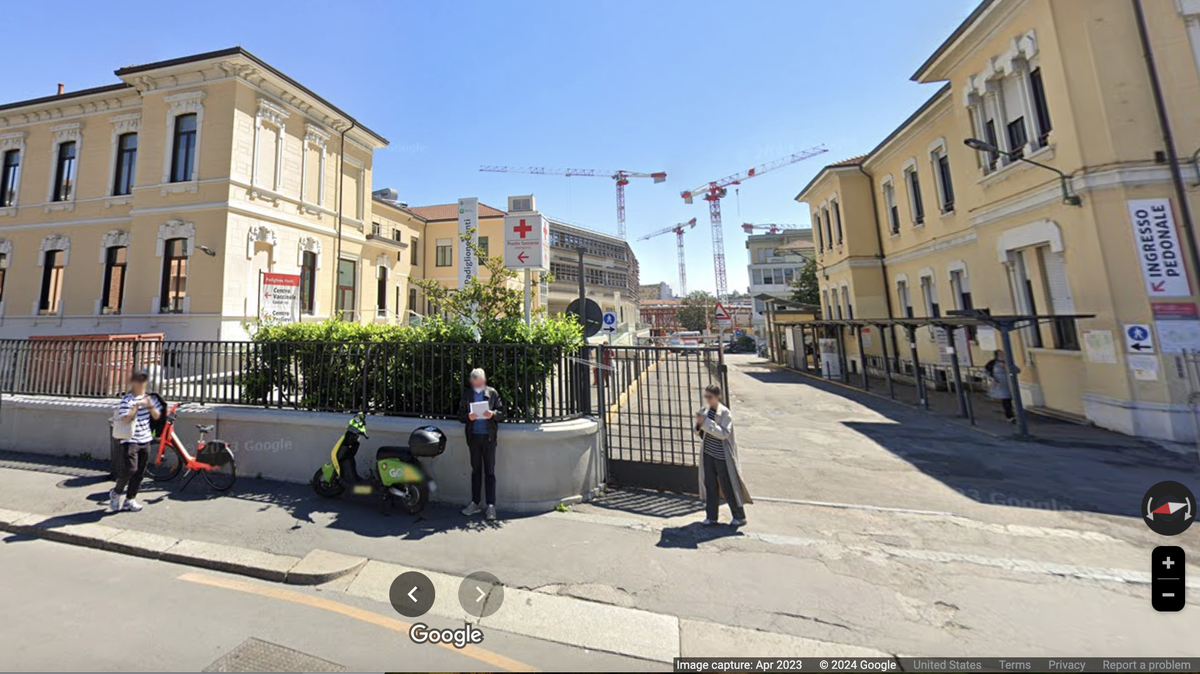
The Ca’ Granda hospital is one of the oldest in Italy, founded more than 500 years ago and still in operation today. In the 1600s, patients of the hospital who died were buried in a crypt, and hoping to understand the toxicology of this era, the researchers exhumed some of the bodies, according to the study.
They collected nine brain samples from mummified remains, researchers said, and analyzed them for active chemicals.
Two of the samples came back positive for the active components of coca, meaning the people likely chewed on the leaves just before their death, according to the study.
The researchers noted that there was no evidence of coca leaves being used as a recognized treatment for disease or ailment during the time of the patients’ deaths, suggesting they were using the drug on their own accord or by the suggestion of a healer that was working outside the confines of the hospital.
“The present study, to the best of our knowledge, constitutes the first report on the detection of compounds derived from the (coca plant) in European historical and archaeological human remains,” researchers said.
They continued by saying there was no report of the coca plant in the hospital records until the 19th century, so finding “the presence of this plant in (1600s) European human remains is unprecedented.”
But how did the patients get the plants?
Researchers suggest Spaniards were the key.
“A synthesis of the historical data … leads to the conclusion that the effects of the plant, including reduced hunger and thirst, as well as a sense of well-being, were known and controlled by the Spaniards and subsequently diffused to the rest of Europe,” according to the study. “Moreover, at the time, the (territory) of Milan was under the rule of the Spanish domain; this constitutes a direct connection between the maritime sales (of coca) and the city of Milan.”
Spaniards took over control of the coca plant crops in the Andes from the Inca who used it for religious practices, according to the study.
The Inca also believed it could be used as an antiseptic and analgesic, that it helps with digestion, asthma and stomachaches, and that it could reduce nose bleeding or chest pain, researchers said.
“The Spaniards showed little interest in coca leaves up until later when they understood their immense commercial value; indeed, they began to financially prosper from (the plant) by managing the production and commerce of the plant into (Europe),” according to the study.
Today, cocaine contributes to one in five overdose deaths around the world, researchers said, and is a major contributor to the underground economy.
Milan is in northern Italy, just south of the Switzerland border.
The research team included Gaia Giordano, Mirko Mattia, Lucie Biehler-Gomez, Michele Boracchi, Alessandro Porro, Francesco Sardanelli, Fabrizio Slavazzi, Paolo Maria Galimberti, Domenico Di Candia and Cristina Cattaneo.
This story was originally published August 23, 2024 at 4:54 PM with the headline "Coca — used to make cocaine — discovered in brains of 17th-century bodies in Italy."