Divers spot odd creature in ‘oversized’ shell. It’s a species not seen in 100 years
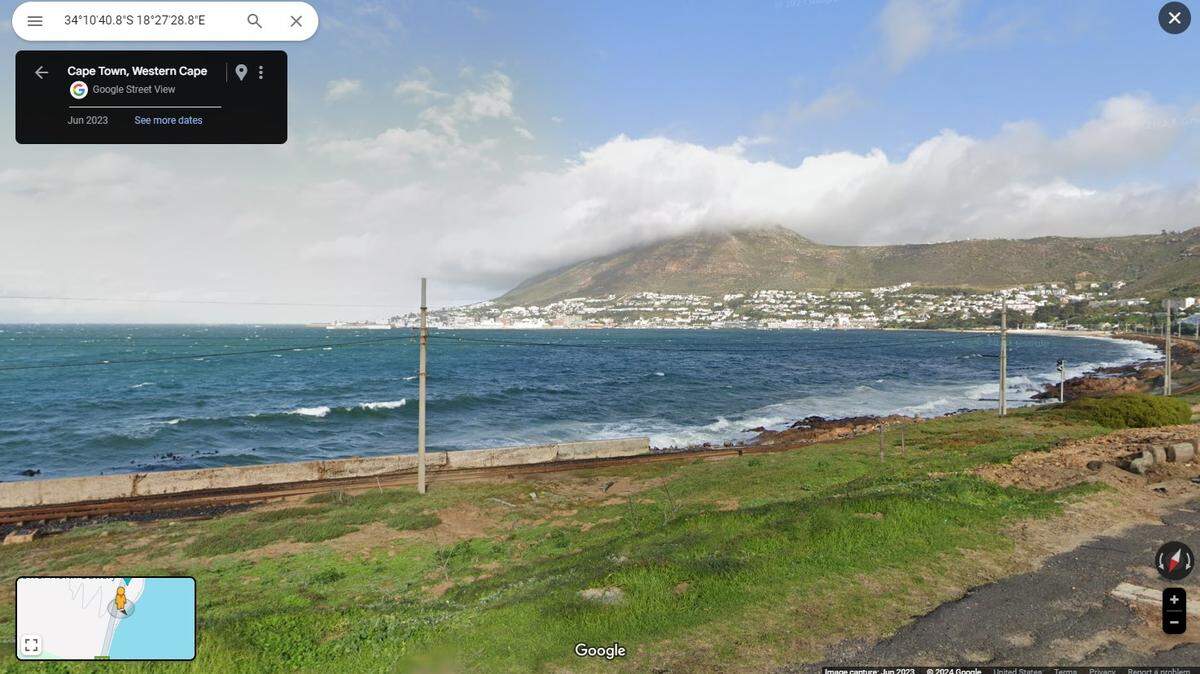
Plunging into a bay in South Africa, divers scanned the rocky coral reefs until an “unusual” sea creature in an “oversized” shell caught their attention. They captured the bristly orange animal — and rediscovered a species not seen in 100 years.
Jannes Landschoff donned scuba gear and ventured into False Bay several times between 2015 and 2023, according to a study published Aug. 7 in the peer-reviewed journal Zootaxa. During the dives, he noticed some small crabs that seemed to be “common” in the shallows.
Intrigued, Landschoff caught several of these crabs and kept one in an aquarium for several months, the study said.
Researchers took a closer look at the “unusual” animals and soon realized they’d rediscovered a species not seen in 100 years: Cancellus makrothrix, or the Hercules hermit crab.
Hercules hermit crabs were first discovered in 1924, but the description was vague and its illustrations “few and crudely executed,” researchers said. Ever since, scientists cast doubt on the species, even describing it as “very aberrant.” By 2016, the species was being left out of wildlife guides.
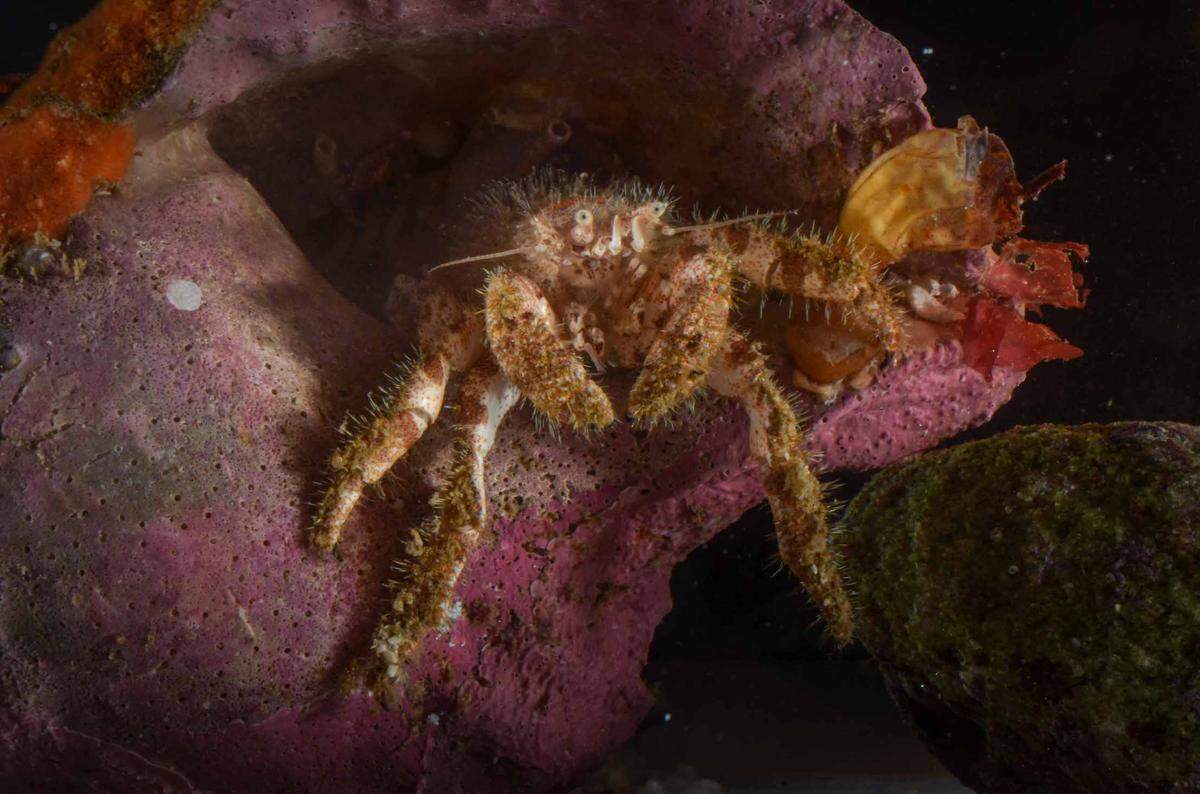
To confirm they’d actually rediscovered this “poorly known” species, researchers tracked down the original 100-year-old specimens in archives and compared these to the recently collected crabs. All the key physical features matched.
Photos show the hairy body and creamy orange coloring of a Hercules hermit crab.
The species had a preference for “heavy, thick and usually greatly oversized shells,” researchers said. Sometimes these shells were almost ten times larger than the roughly half-inch-long hermit crabs and “seemed enormous for such a small crab.”
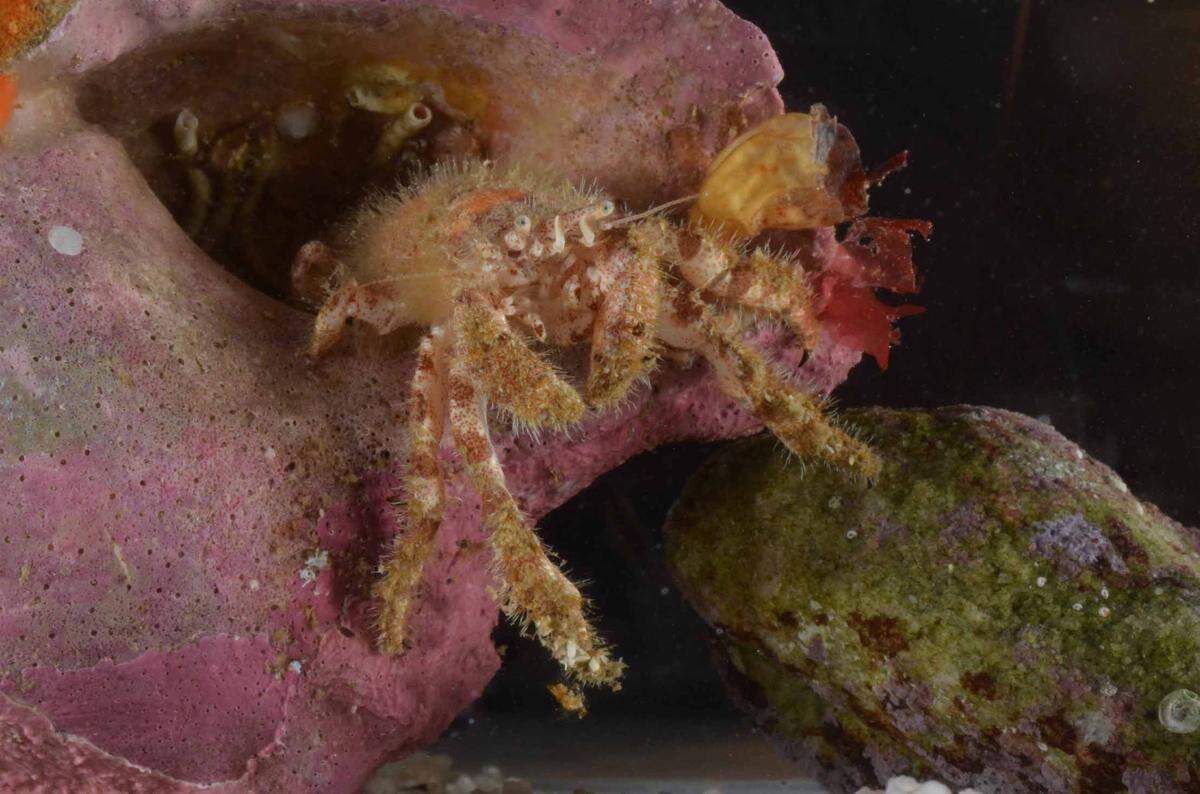
The species’ common name likely stems from the “herculean strength” these crabs have to carry around such shells.
These “large homes” do allow “room for (the crab’s) developing young inside the shell after hatching,” and one female crab was found with “46 large sized eggs,” the study said.
Researchers also noticed several “biological oddities” on the hermit crab’s eyestalks and genitalia. Two crabs had both male and female genitalia — a first-of-its-kind sighting for the species and genus — but researchers don’t know if these “intersex” crabs are able to reproduce.
Hercules hermit crabs live in rocky reefs, kelp forests and sandy seafloors at depths ranging from about 15 to 100 feet, the study said. So far, the species has been found along the southern coast of South Africa. False Bay is near Cape Town and on the country’s southwest coast.
The research team included Jannes Landschoff and Rafael Lemaitre.
This story was originally published August 8, 2024 at 12:02 PM with the headline "Divers spot odd creature in ‘oversized’ shell. It’s a species not seen in 100 years."