Massive sea creature travels circumference of the Earth, study says. Meet Rio Lady
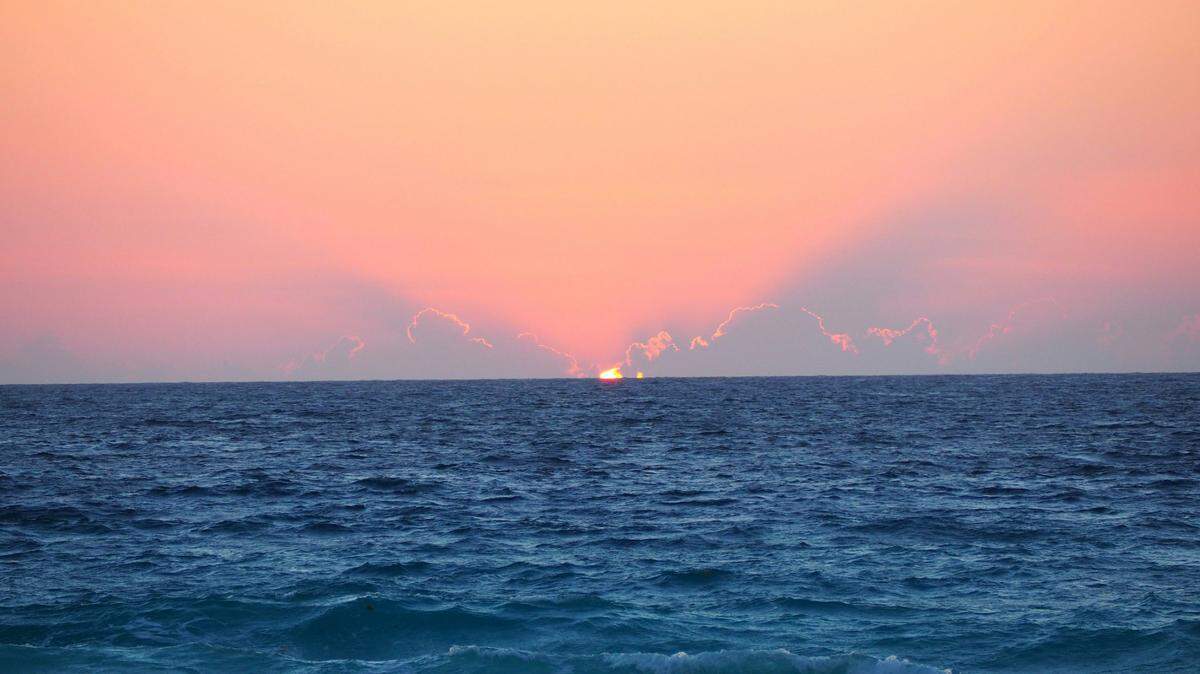
Whale sharks are the world’s largest fish, and one of the biggest animals on the planet.
Often more than 20 feet long, the titans of the sea swim slowly through tropical oceans, opening their gaping mouths to take in some of the smallest prey.
But despite their massive size, the habits and behaviors of whale sharks are still a relative mystery, and their elusive journeys around the Gulf of Mexico are hard to follow — until now.
Researchers from the University of Rhode Island and Nova Southeastern University teamed up on an expansive tracking survey of Rio Lady, a 26-foot-long adult female whale shark, according to a July 22 news release from URI.
The “record-breaking” study followed Rio Lady for more than four years from when she was tagged in August 2018 until April 2023, and the findings were published in the journal Marine and Freshwater Research on July 8. It’s the longest study of its kind, researchers said.
“This was an amazing length of time to be able to track the movements of a wild animal,” lead author Daniel Daye said in the release. “Four years of data about the movements of even a single individual has allowed us to investigate whale sharks to an unprecedented degree and investigate questions that can’t be answered with shorter tracks.”
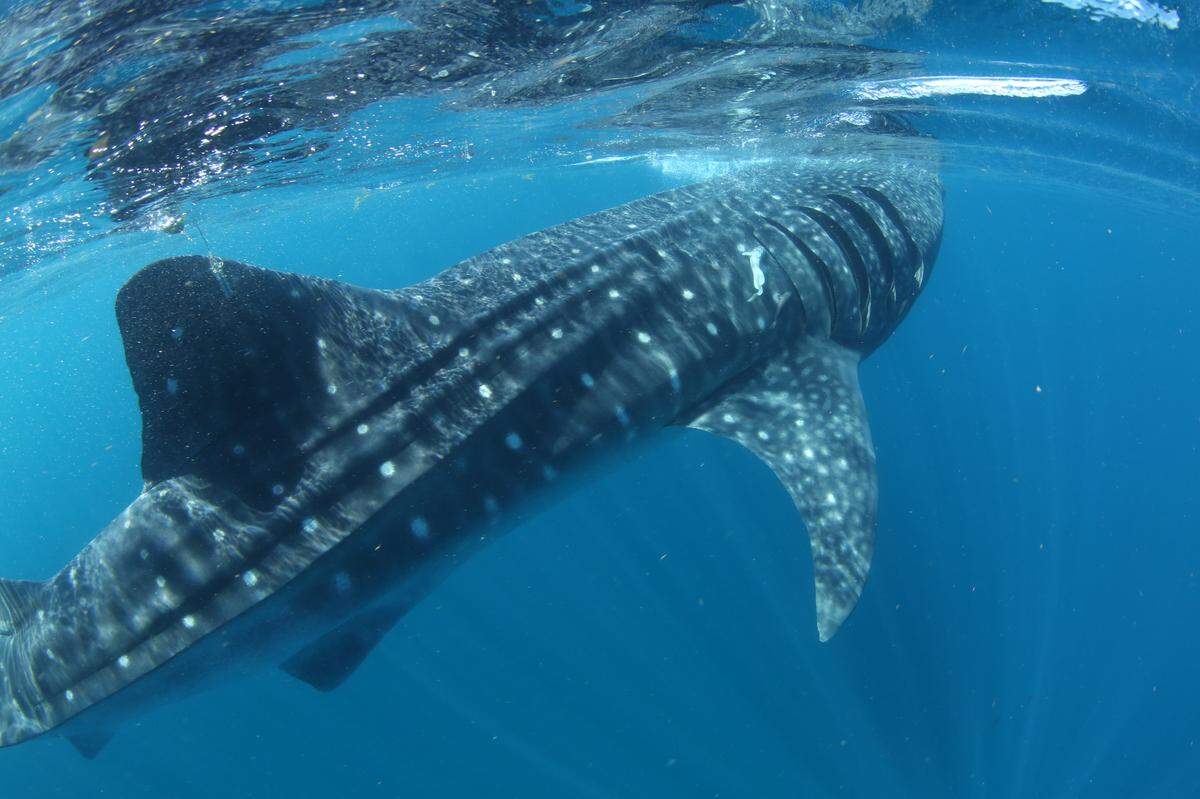
Rio Lady was first PSAT-tagged (a type of satellite tag) in 2007, Daye told McClatchy News in an email, and has been studied before.
In 2018, she arrived at Isla Mujeres, a site off the east coast of Mexico near Cancun known for larger aggregations of whale sharks, according to the study.
“Every summer, little tunny (a species of deep-sea fish) come to the area near Isla Mujeres to spawn. At the peak of spawning season, there’s so many fish eggs in the water that whale sharks can feed on an essentially unlimited supply of eggs,” Daye said. “Some of the local captains, who take tours out to the aggregation, mentioned that when there are so many eggs, you can even smell it in the air which is when you know you’re getting close.”
Daye said more than 100 whale sharks can be present in the area at the same time, including Rio Lady, but the majority of the animals are juvenile males.
With Rio Lady’s past tracking history, and as a mature animal, she was the perfect fit for a long-term data study, Daye said.
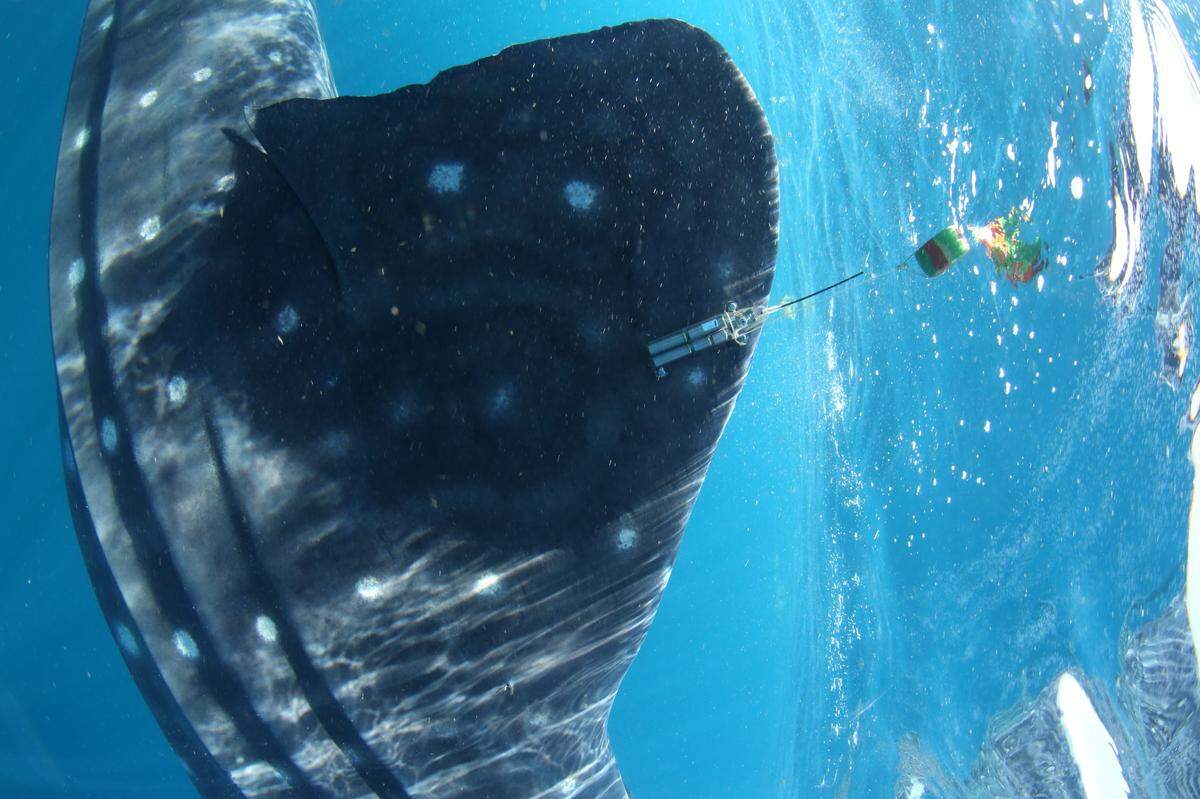
A researcher hopped into the water with snorkeling gear and attached a SPOT satellite to Rio Lady, according to the study. The tag is programmed to transmit a signal to a satellite every time it comes out of the water, meaning Rio Lady was on the surface. This would provide a geoposition data point, with the date, time, and Rio Lady’s exact position, according to the study.
“Rio Lady was detected by satellites over a span of 1,687 days,” according to the study. This included 1,354 locations at relatively frequent intervals, about every 12 hours.
The whale shark traveled at a rate of about 25 miles per day, researchers said, and over the course of four years, she traveled more than 27,000 miles.
To put this distance in perspective, the circumference of the Earth around the equator is just under 25,000 miles.
A marine animal tracking website from the Guy Harvey Research Institute — a collaborator on the study — showed Rio Lady’s voyage from Cancun to the coast of eastern Mexico, then across the gulf to the west coast of Florida, south along the coast of central America to Colombia and then east out into the Atlantic south of Bermuda.
When asked what would bring Rio Lady out of the Gulf of Mexico, Daye told McClatchy News “it’s hard to say definitively.”
“(A) previous study… tracked Rio Lady as far south as the St. Peter and St. Paul Archipelago (far off the east coast of Brazil), and there’s some evidence that that area might serve as habitat for reproducing, so the excursions outside the Gulf of Mexico could have to do with that,” Daye said.
He said the timing of her movements in this study seems to align with previous research placing whale sharks in that area.
“For Rio Lady at least, she tended to stay in deeper waters while in the northern Gulf of Mexico,” Daye said. “As far as observing them goes, as long as you give them enough space and don’t disturb them — they don’t move particularly fast when feeding and are big enough that you should be able to see them from a distance.”
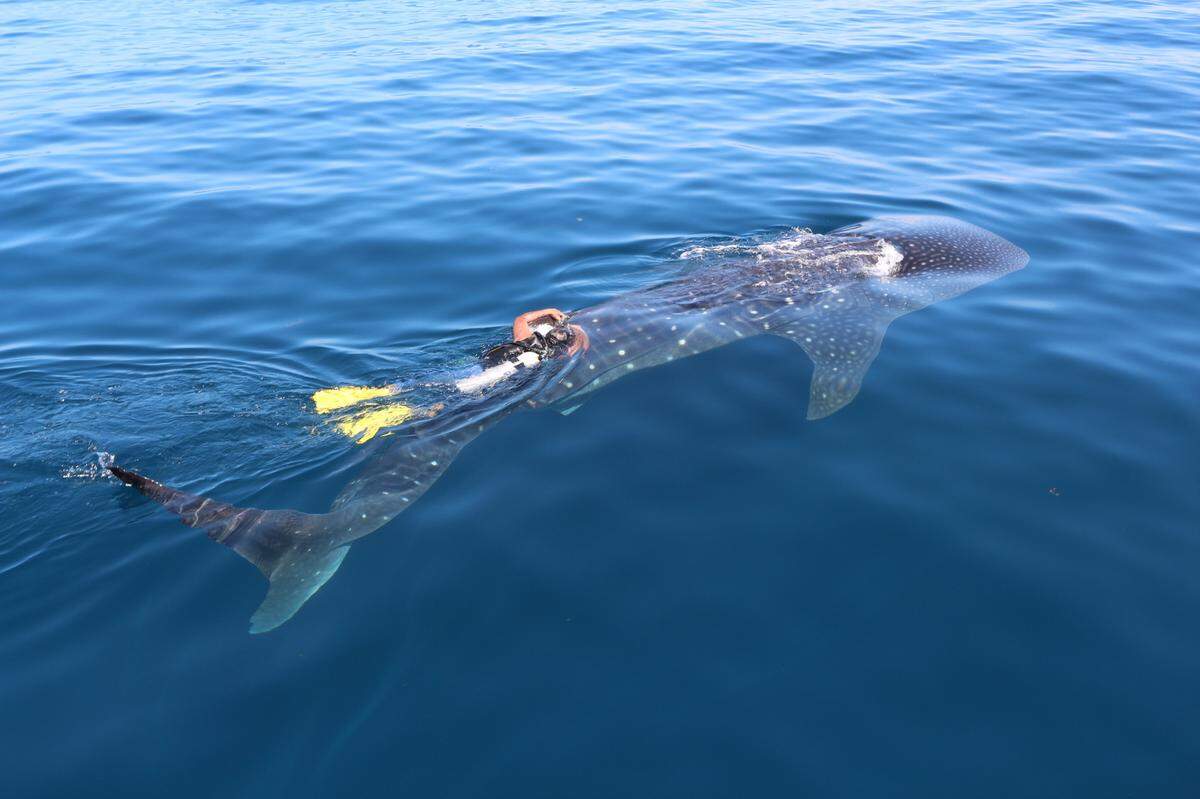
“I think that there’s a lot of misconceptions surrounding not just whale sharks but sharks in general. Obviously the ‘shark’ connotation frightens some people, but whale sharks don’t attack people, and couldn’t really do anything if they wanted to,” Daye said. “Like most other sharks, whale sharks have a suite of fascinating sensory systems for locating prey, feeding, navigating, and are highly specialized even among sharks in that they are filter feeders.”
Daye said that unlike whale shark populations in other tropical environments, those that call the western Atlantic home haven’t faced as much population decline. They are still an endangered species and at risk from climate change, illegal fishing and collision with boats, Daye said, but the tourism industry has helped bring attention to the species.
“There’s big tourism industries that have developed around bringing people to see whale sharks and even snorkel near them, and they generate a substantial amount of money, so (the whale shark’s) value has increased as many countries have vested interests in managing/conserving populations in a nonconsumptive manner,” Daye said.
Rio Lady’s tracker remains active and can be followed through the Guy Harvey Research Institute’s tracking website.
The study was a collaboration between the University of Rhode Island in Kingston, the Guy Harvey Research Institute at Nova Southern University in Dania Beach, Florida, and the Guy Harvey Foundation. Researchers from Ch’ooj Ajauil AC in Cancun, Mexico, also contributed to the study.
This story was originally published August 2, 2024 at 1:45 PM with the headline "Massive sea creature travels circumference of the Earth, study says. Meet Rio Lady."