Circular tombs — with sacrificial animals — found near mine. Thieves arrived first
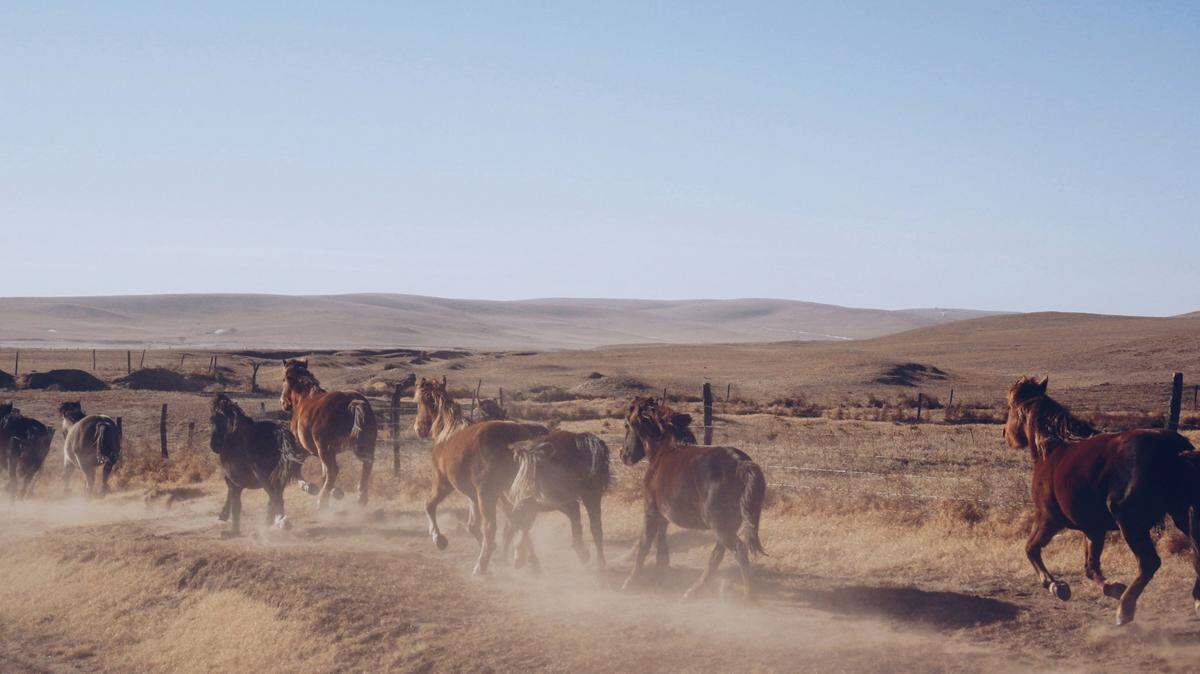
In the arid hills of northern China, archaeologists were called to the site of an open-pit mining project entering its fourth phase in an ancient city.
As the dirt was pulled away from the site in Ordos City, the outline of circular tombs emerged, officials said in a July 26 news release from the Inner Mongolia Autonomous Region Cultural Relics and Archaeology Research Institute.
Close to 50 circular brick tombs were unearthed, and seven more small, earth pit tombs were also uncovered, along with a building platform, officials said.
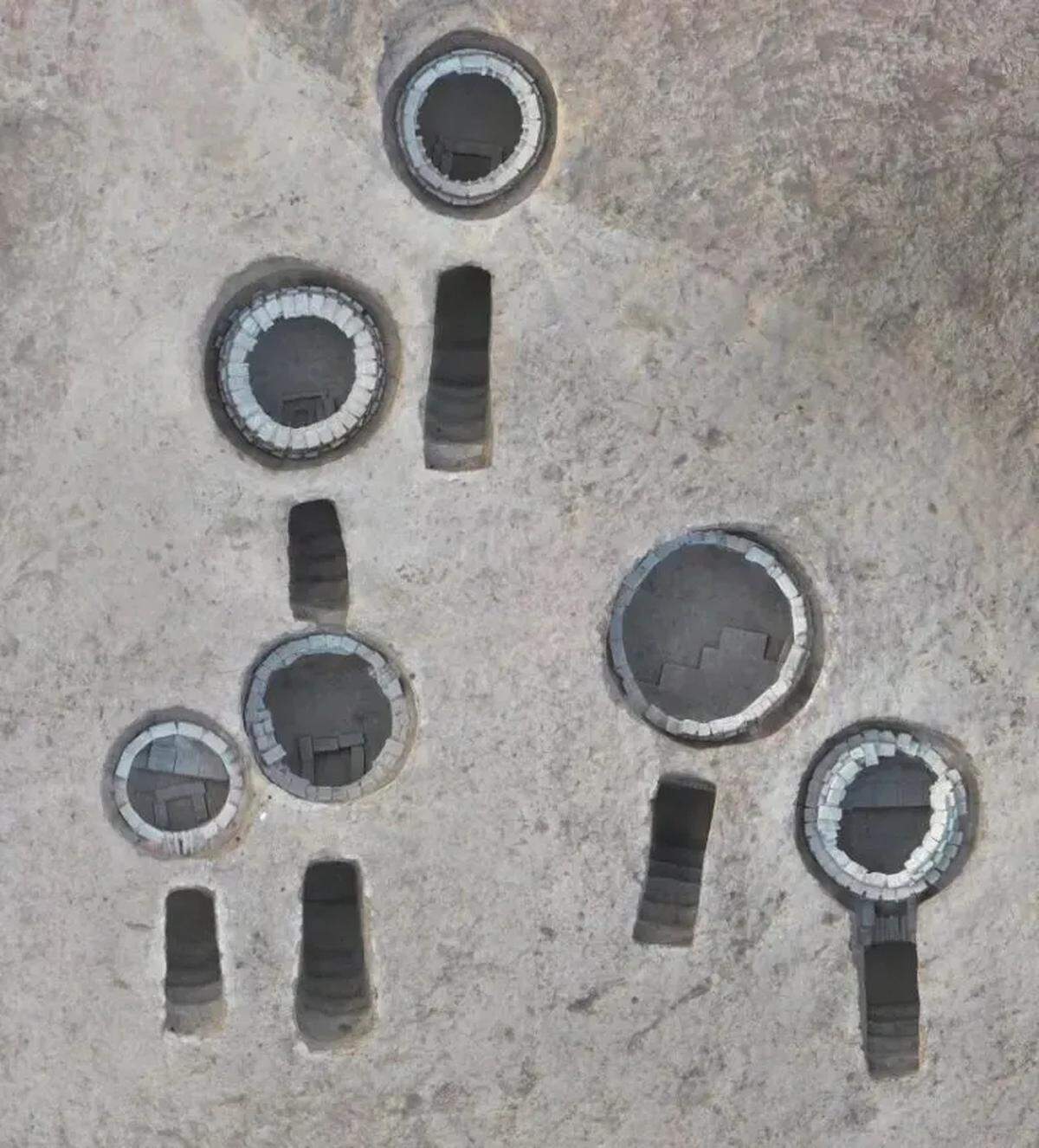
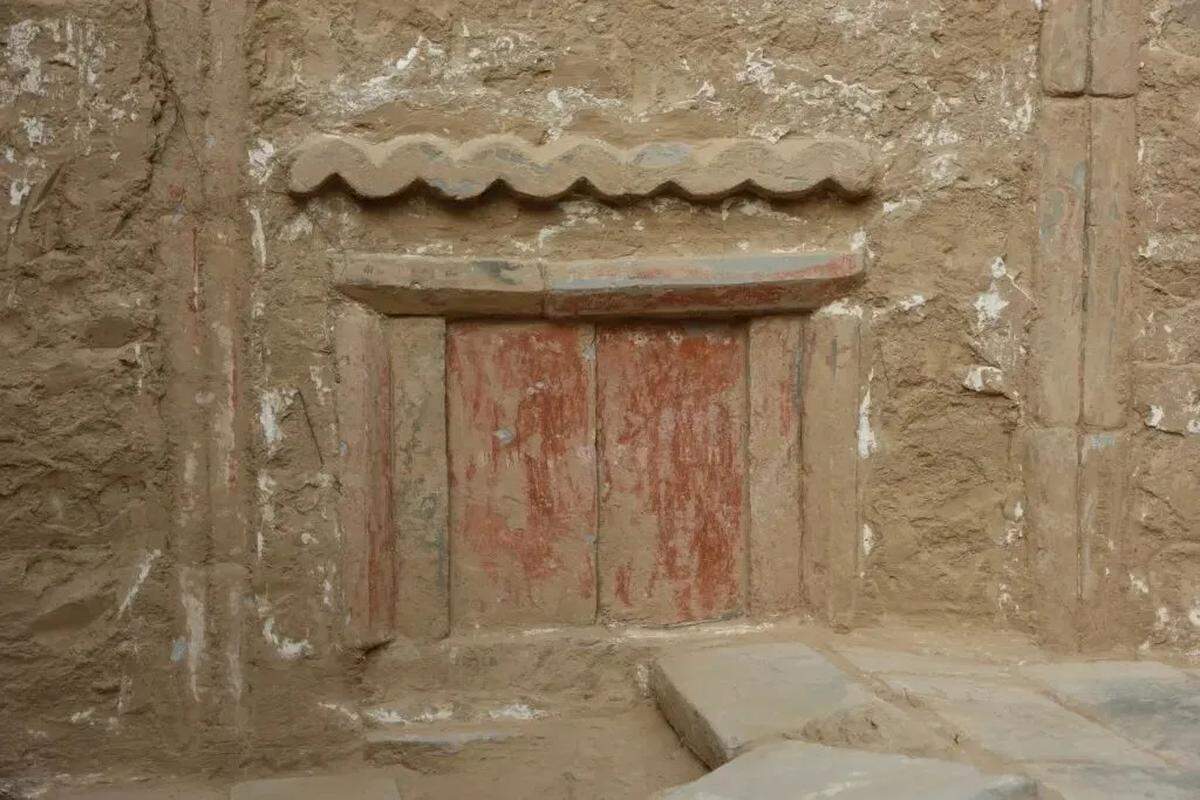
The tombs are vaulted with passages leading to doors, according to the release. The walls of the tombs were built with bricks to mimic the architectural patterns of wood, creating what looks like columns, brackets and wooden inlay.
There are also doors, windows, tables and chairs carved into the brick and stones imitating tiles, officials said.
The tombs were built in the funerary style of the time, according to the release, dating to the Song dynasty, between 960 and 1279.
But long before archaeologists could get inside the tombs to see what they held, tomb raiders got inside, officials said.
When archaeologists stepped into the tombs, they found that many relics had been removed from the site at an unspecified time, according to the release.
Some items remained, however, including some ceramics, bronze and iron items, and more than 20 tea sets that were still relatively well-preserved, officials said.
Copper coins found in the tombs helped to date the burials to a millennium ago, according to the release.
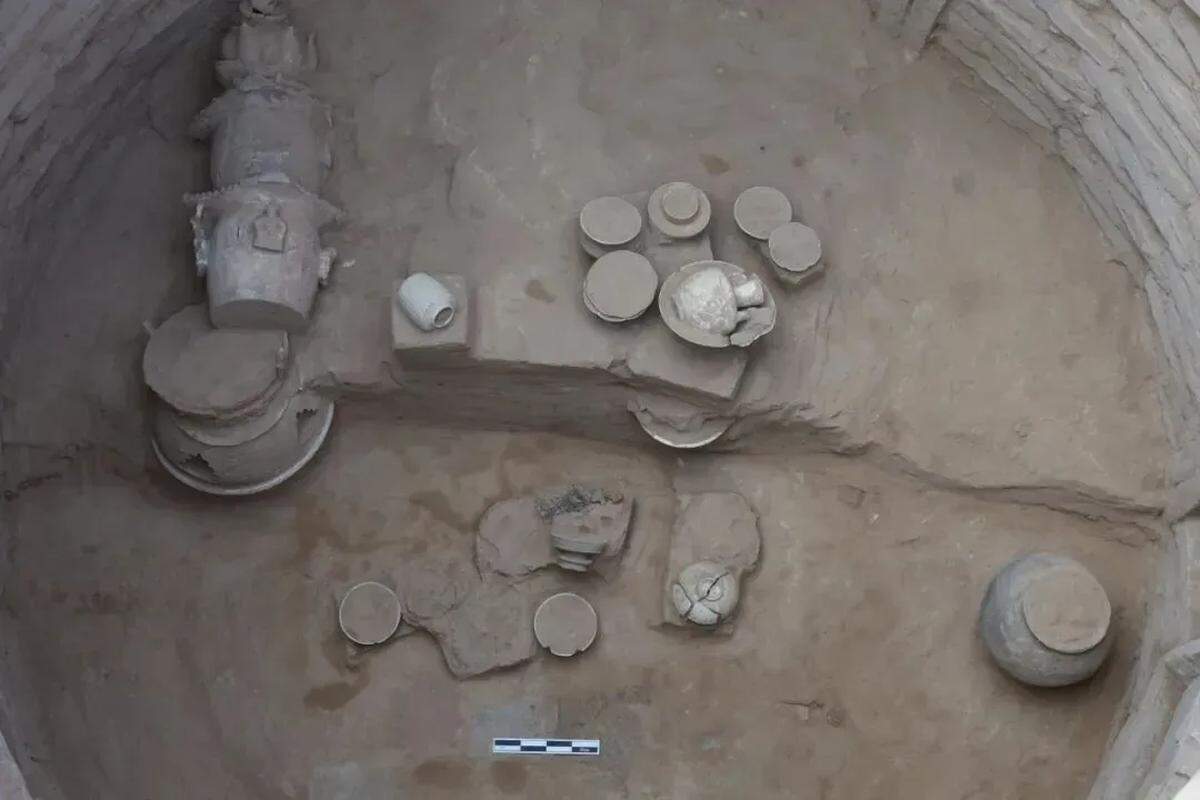
Along with the relics, archaeologists also uncovered the remains of animals that had been sacrificed and buried in the bottom of the tombs, according to the release. One tomb had the skull of a horse at the bottom of the tomb passage.
The tombs were constructed close to the ancient city of Erchangqu, once built by the Tibetans during the Song dynasty, officials said.
These tombs will help researchers better understand the social and economic structure of the ancient people, as well as how they interacted with the states outside the Yellow River during this period of time, according to the release.
The tombs were discovered in the Inner Mongolia Autonomous Region, a Chinese territory that spans the southern border with Mongolia and shares a border with Russia to the northeast. The region was designated as part of China by the Chinese communist regime in 1947 and has had ongoing territorial changes over the decades, but it remains predominantly ethnically Mongolian, according to Britannica.
Baidu Translate was used to translate the news release from the Inner Mongolia Autonomous Region Cultural Relics and Archaeological Research Institute.
This story was originally published August 2, 2024 at 8:00 AM with the headline "Circular tombs — with sacrificial animals — found near mine. Thieves arrived first."