2,300-year-old ruins uncovered on island in France. See the first-of-its-kind find
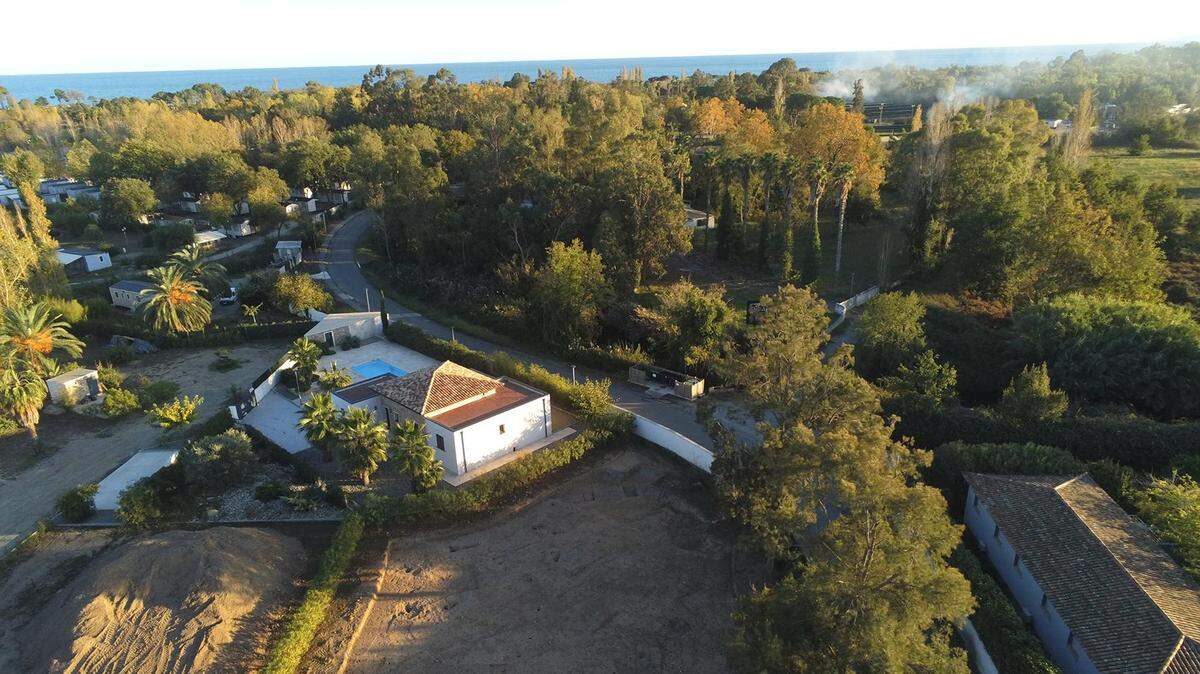
On an island off the coast of France sat the remnants of a 2,300-year-old settlement. Worn down by millennia and buried by dusty soil, the ruins were forgotten — until now.
Archaeologists excavated a site on the eastern side of Corsica, a moderately sized island in the Mediterranean Sea, ahead of residential construction, the French National Institute for Preventive Archaeological Research said in a July 9 news release. The picturesque site was nestled between the sea, a stream and some foothills.
To their surprise, archaeologists unearthed the ruins of the 2,300-year-old Etruscan settlement.
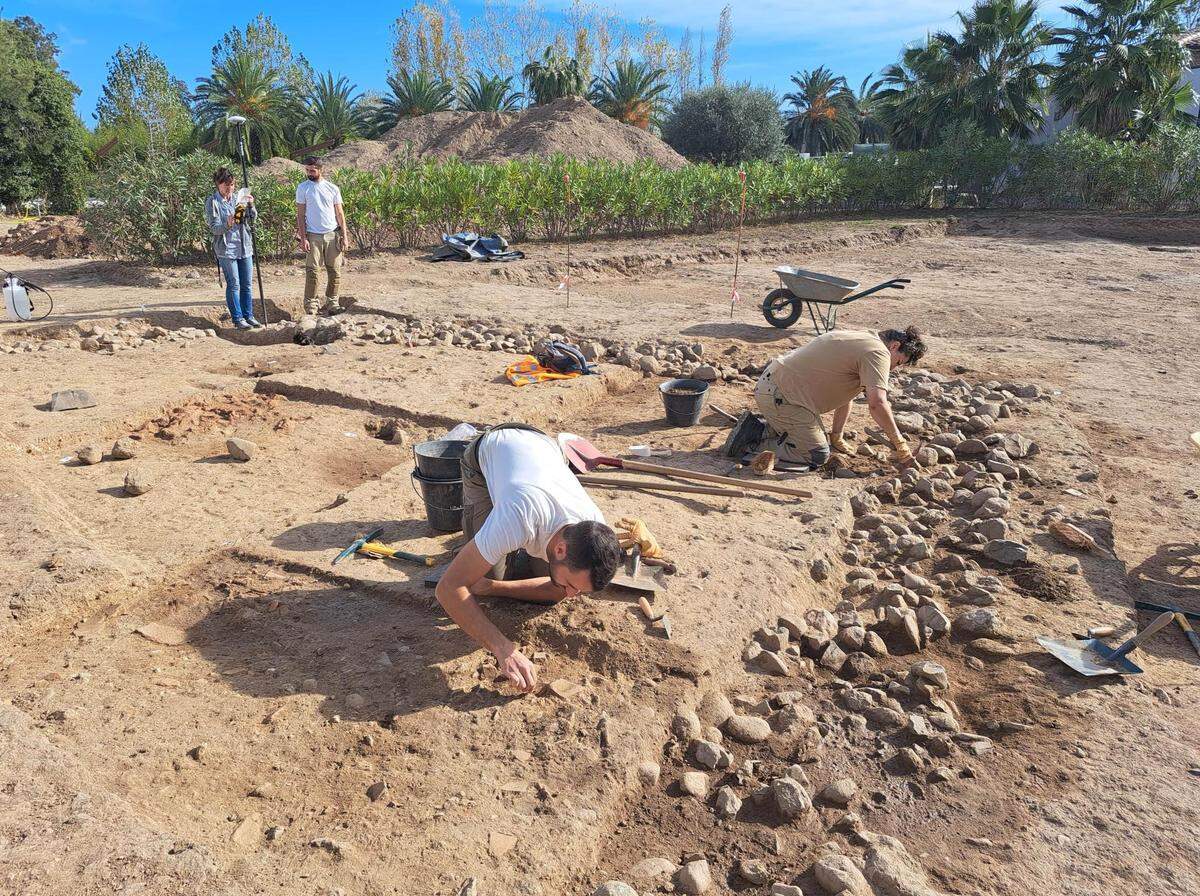
The ancient settlement was occupied sometime between the sixth to fourth centuries B.C. and included a house, ditch and trash pits, archaeologists said.
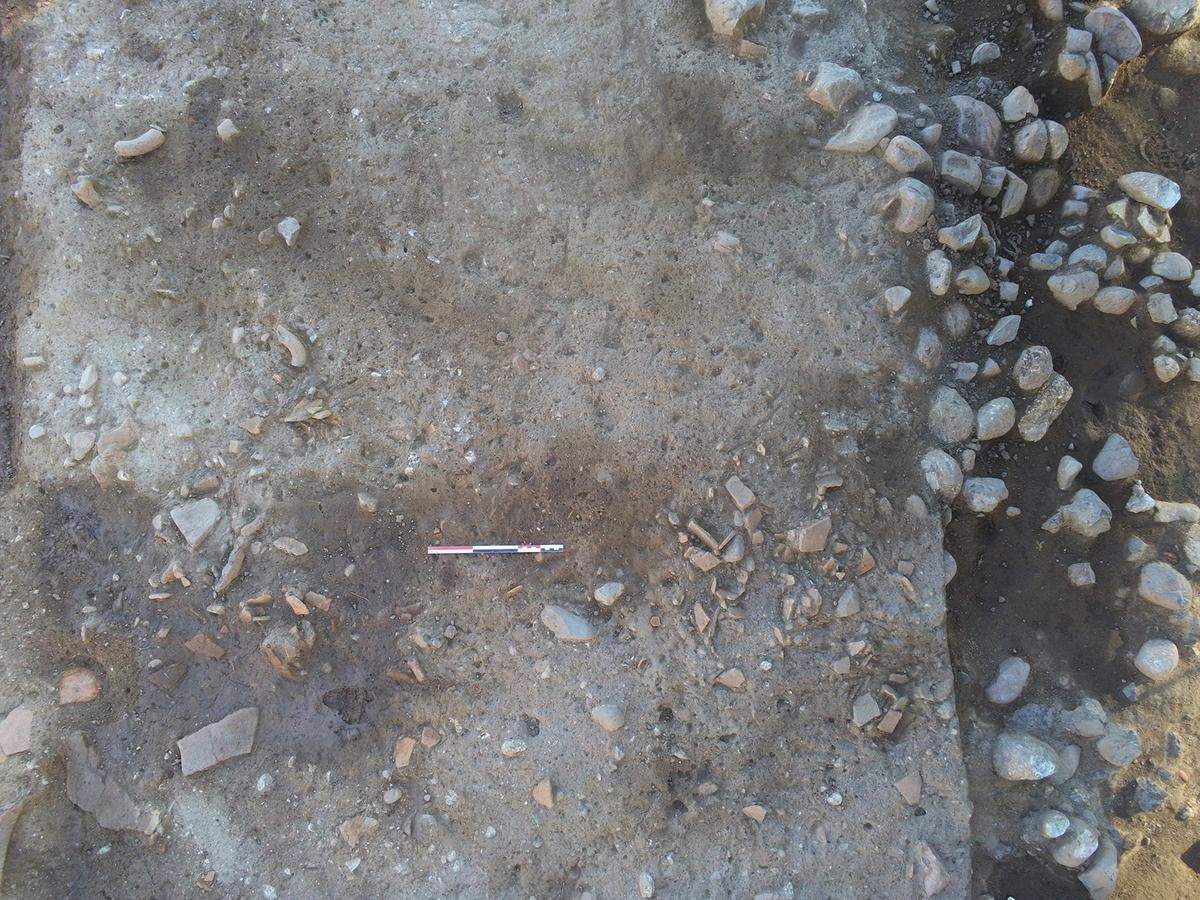
The square house was built on a three-layered foundation made of small stones. These pebbles were bound together with brown sediment and likely supported clay walls. Photos show the remnants of the dwelling.
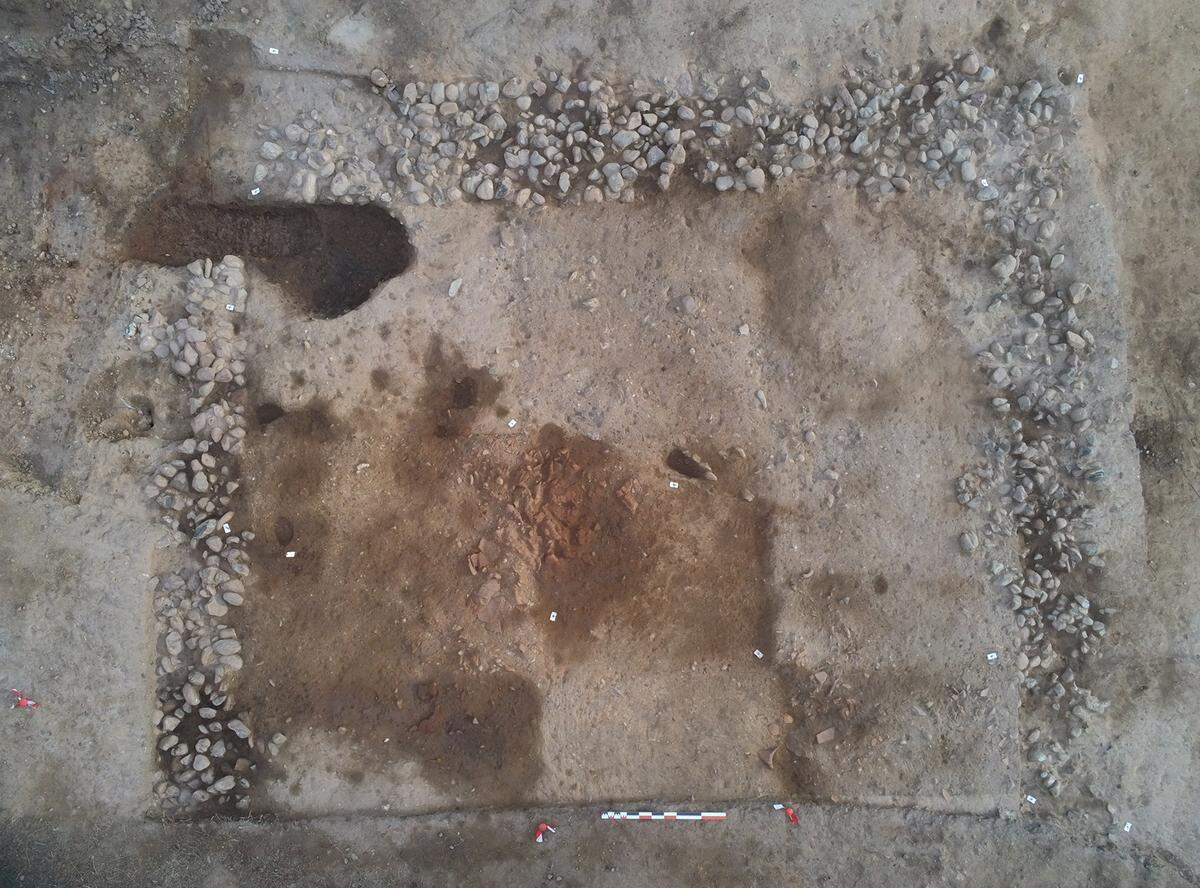
Archaeologists found post holes around the foundation, suggesting the structure had a roof made of perishable wood. All together, the living space probably measured about 540 square feet.
Inside, the ruined home had a pottery hearth and was strewn with building materials, charcoal dust and several hundred pottery fragments, archaeologists said. Photos show some of these broken and still partially buried artifacts.
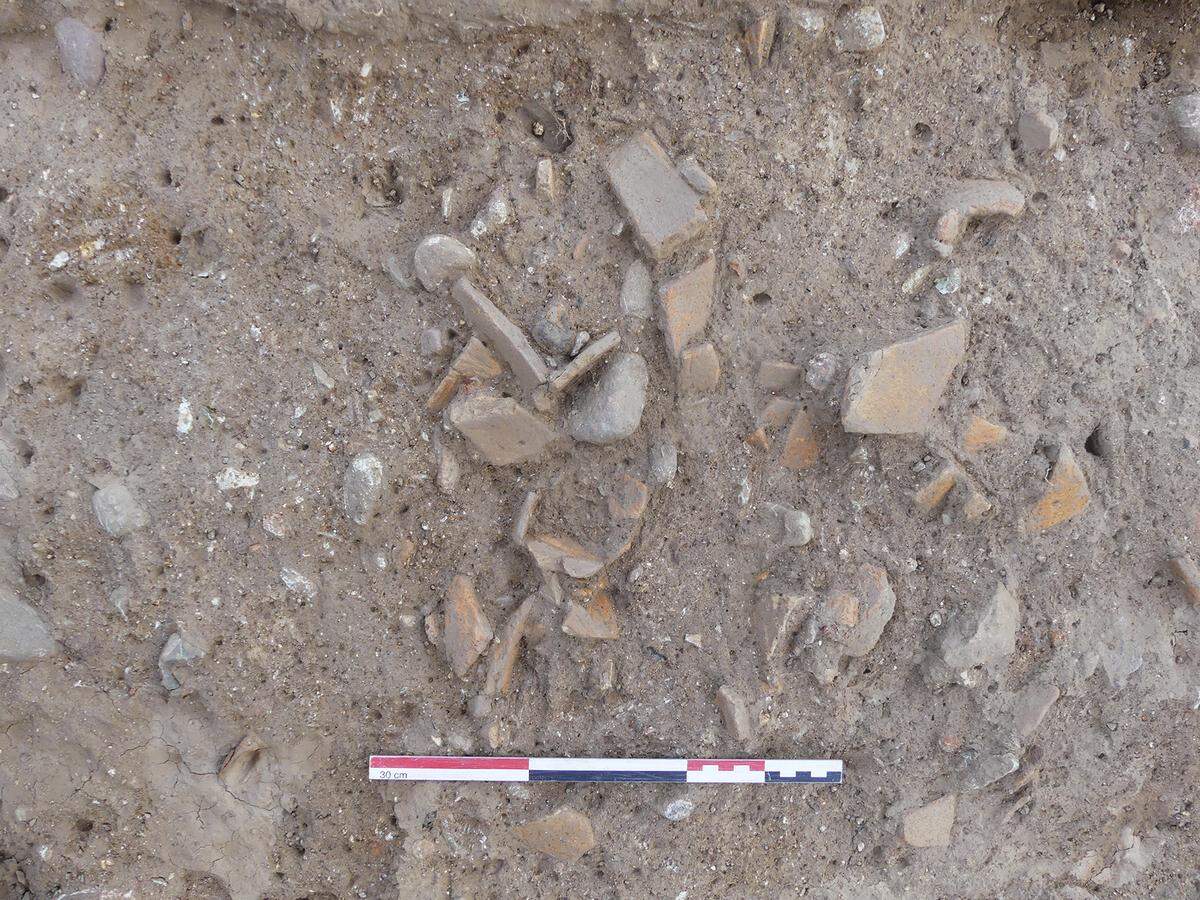
In total, archaeologists found about 100 pounds of pottery fragments. These fragments were homogeneous and largely from undecorated storage containers. The artifacts were described as common Etruscan ceramics.
The Etruscans were an ancient group living in modern-day Italy, according to Britannica. Their civilization peaked in the sixth century B.C. and inspired their successors, the Romans.
The ancient Etruscan home found in Corsica is a first-of-its kind find for the island, the institute said.
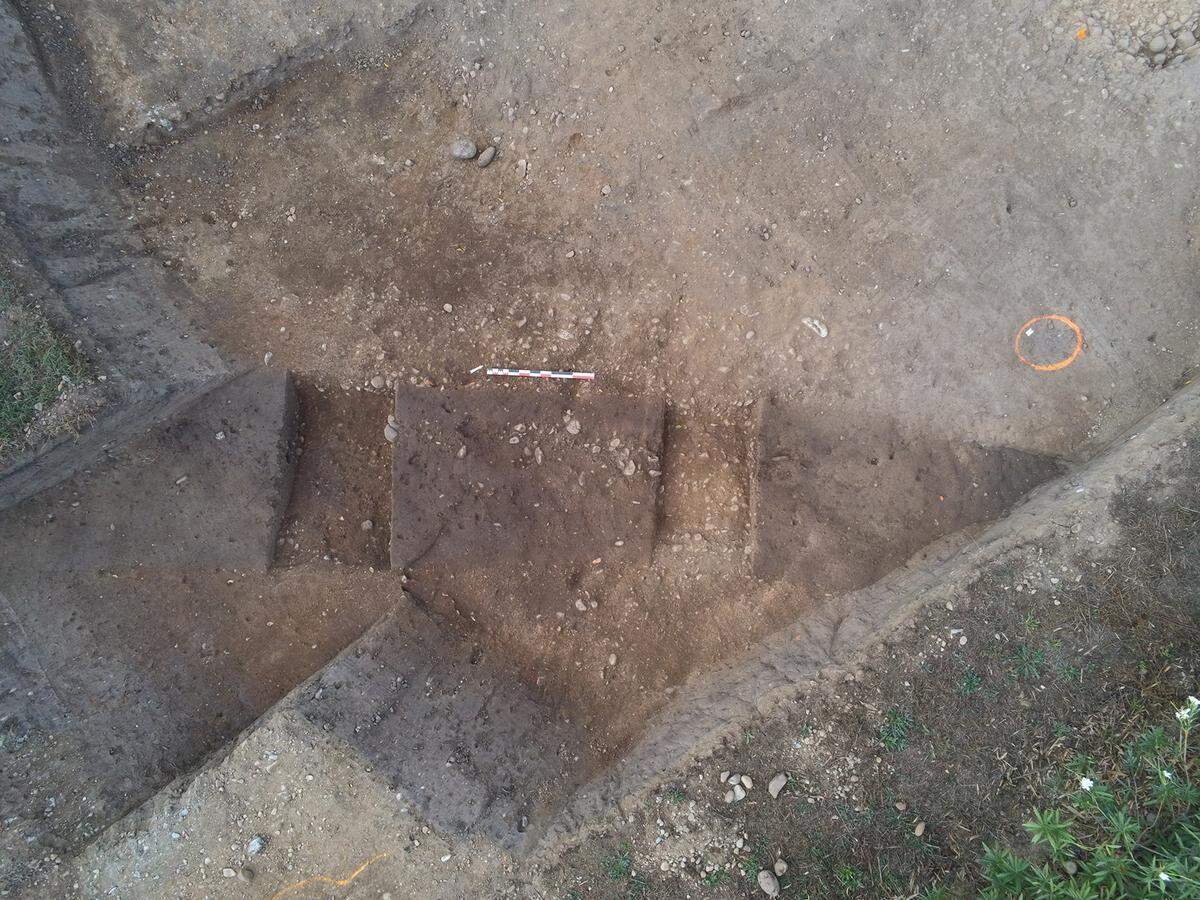
Archaeologists also uncovered a large ditch about 60 feet away from the ruined house that may have connected to a stream and served as a water supply. A photo shows this rectangular ditch.
The excavation took place in Ghisonaccia, Corsica, and ended in December, the institute said. Archaeologists will continue studying the pottery fragments and analyzing some organic remains to determine the exact age of the site.
Google Translate was used to translate the news release from the French National Institute for Preventive Archaeological Research (Inrap).
This story was originally published July 10, 2024 at 12:48 PM with the headline "2,300-year-old ruins uncovered on island in France. See the first-of-its-kind find."