Muddy riverbank hid ruins of 1,700-year-old settlement — until now. See the finds
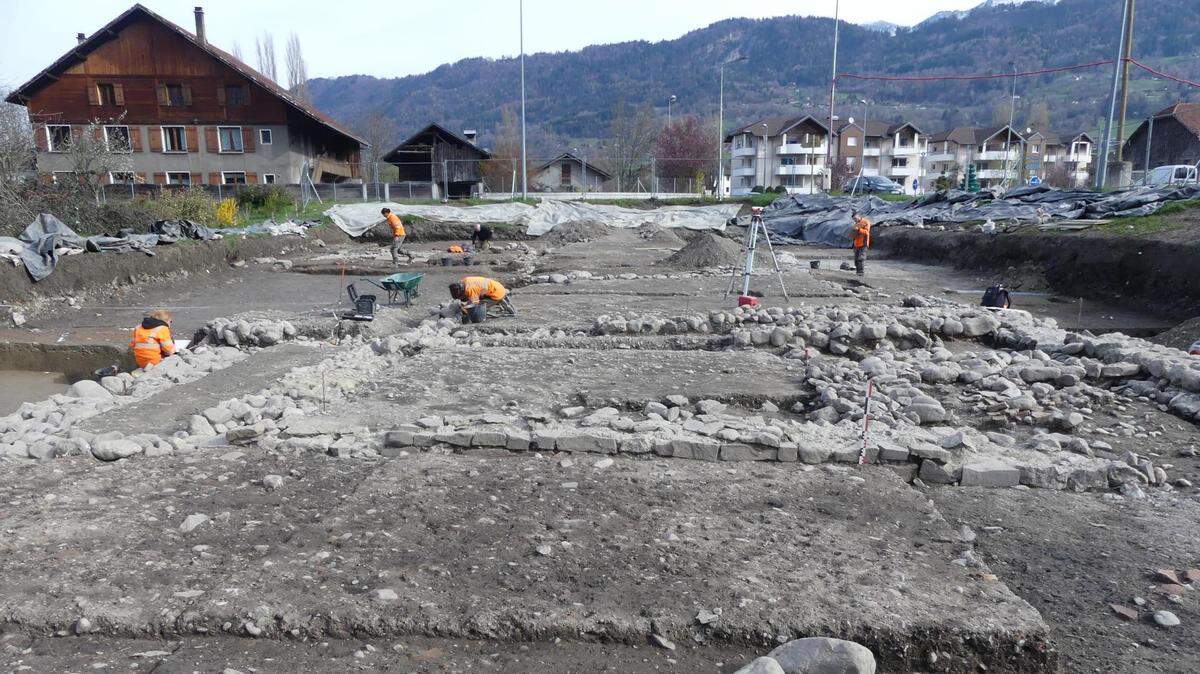
In a small town of southeastern France sat an average-looking plot of land near a river. But hidden in the muddy ground were the ruins of an ancient settlement, forgotten — until now.
Archaeologists began excavating a site in Thyez ahead of residential construction, the French National Institute for Preventive Archaeological Research said in a July 2 news release.
In ancient Roman times, the site sat along a channel of the Arve River. This formed two distinct sections: a high terrace situated above the waterway and a low terrace situated at water level.
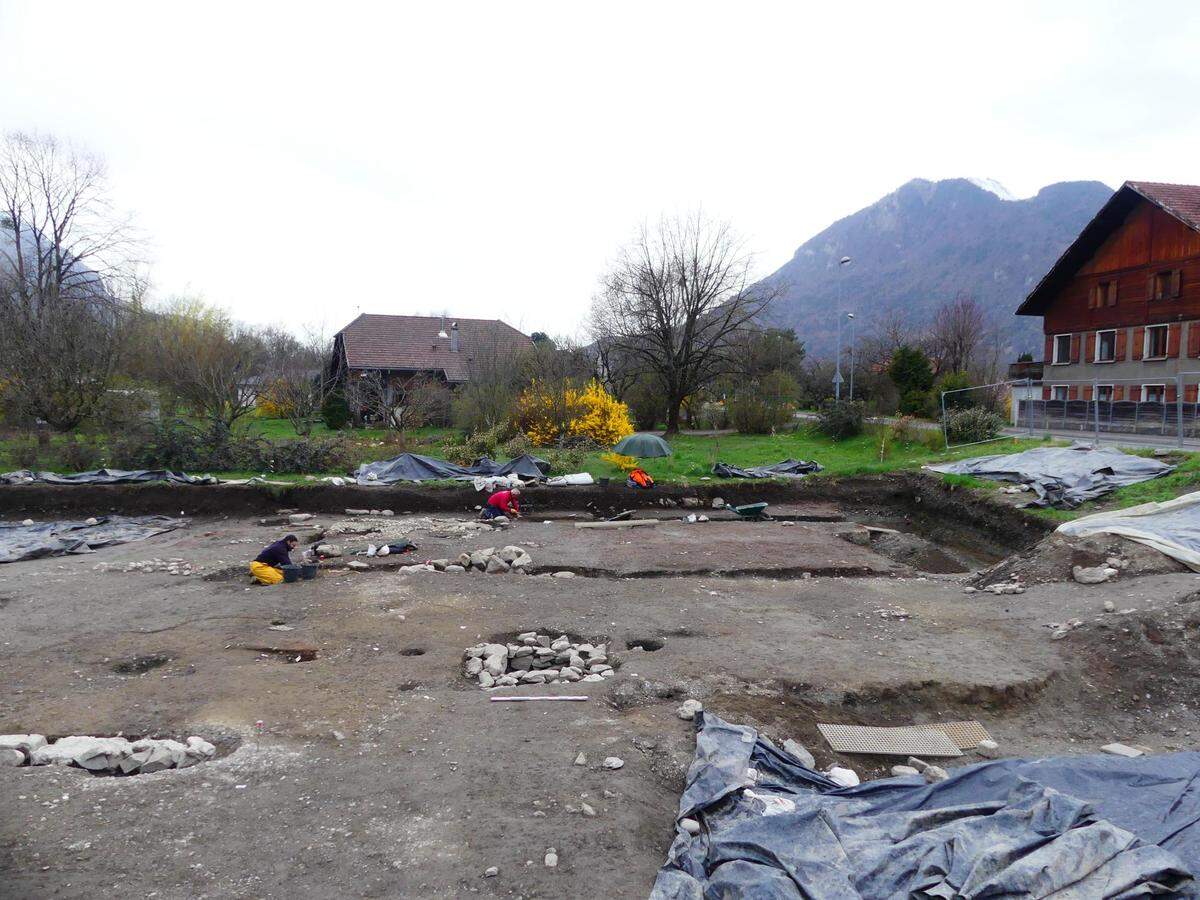
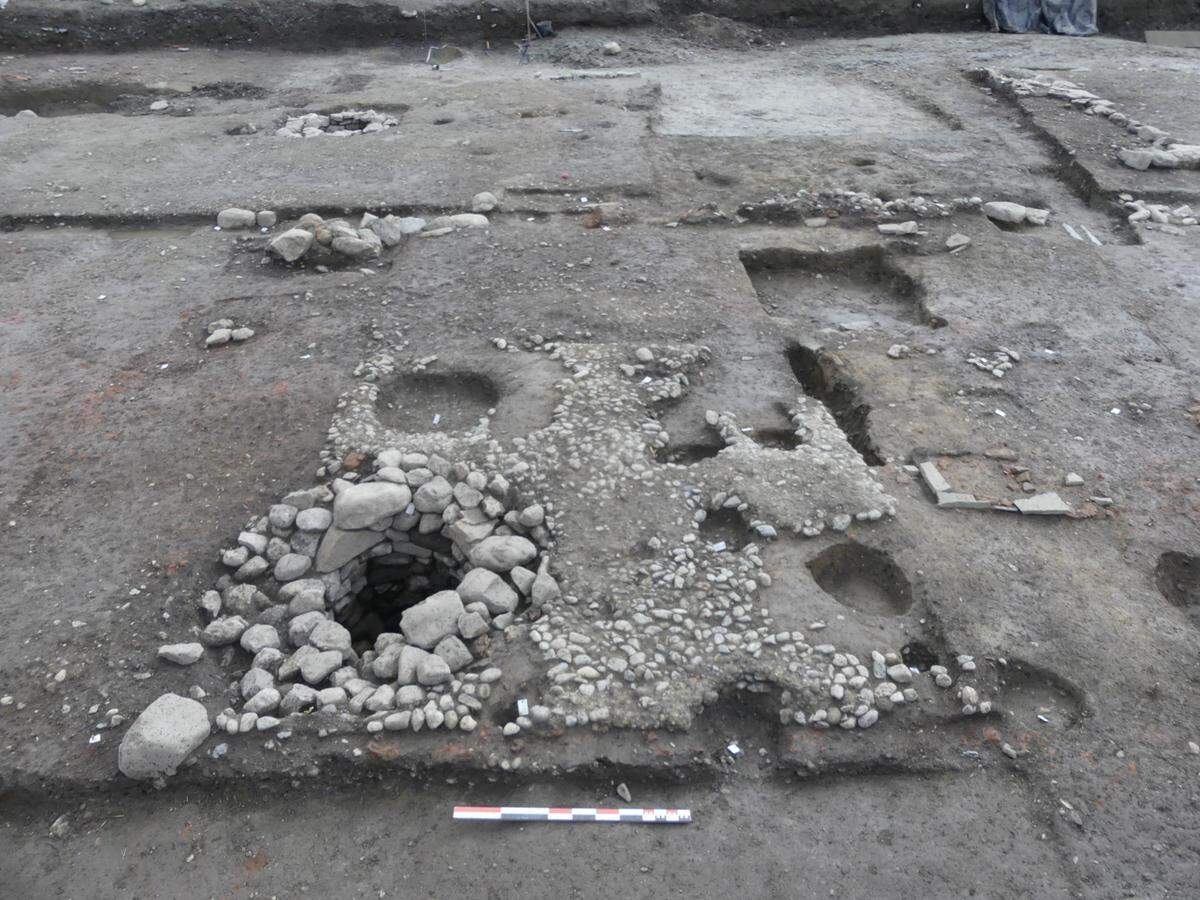
Archaeologists excavated the high terrace and found a set of 1,900-year-old ruins, officials said. The area had been filled in and then used as a permanent settlement. Archaeologists found several hearths and an earthen floor, likely the backyard of a house.
A photo shows these stone hearths.
Sometime during the first century A.D., the lower terrace was filled in, archaeologists said. Here excavations uncovered a house and a large rectangular building from 1,900 years ago.
This ancient building was destroyed, rebuilt and destroyed again over the next 200 years, officials said.
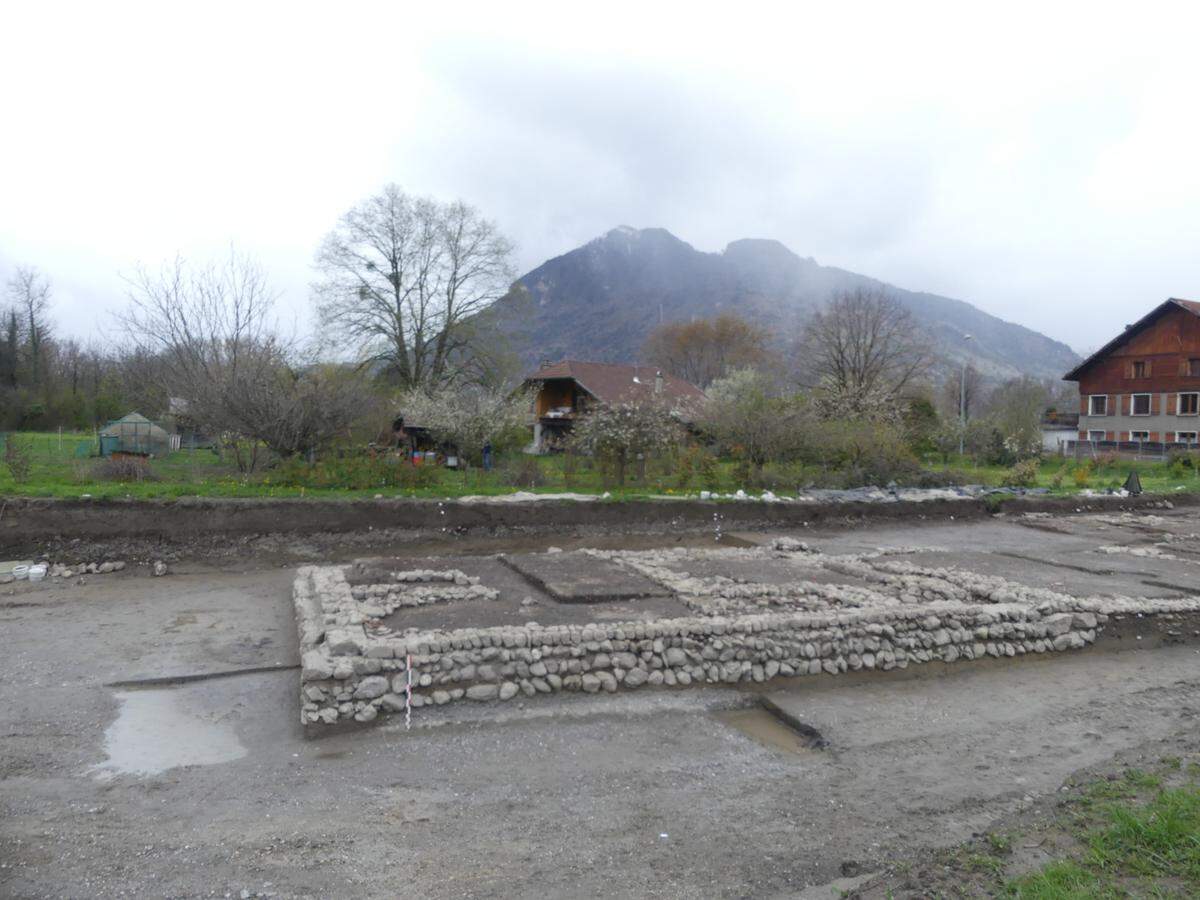
By the third century, another building was built on the low terrace, this time with incredibly strong foundations. The massive structure may have been used as a storage building.
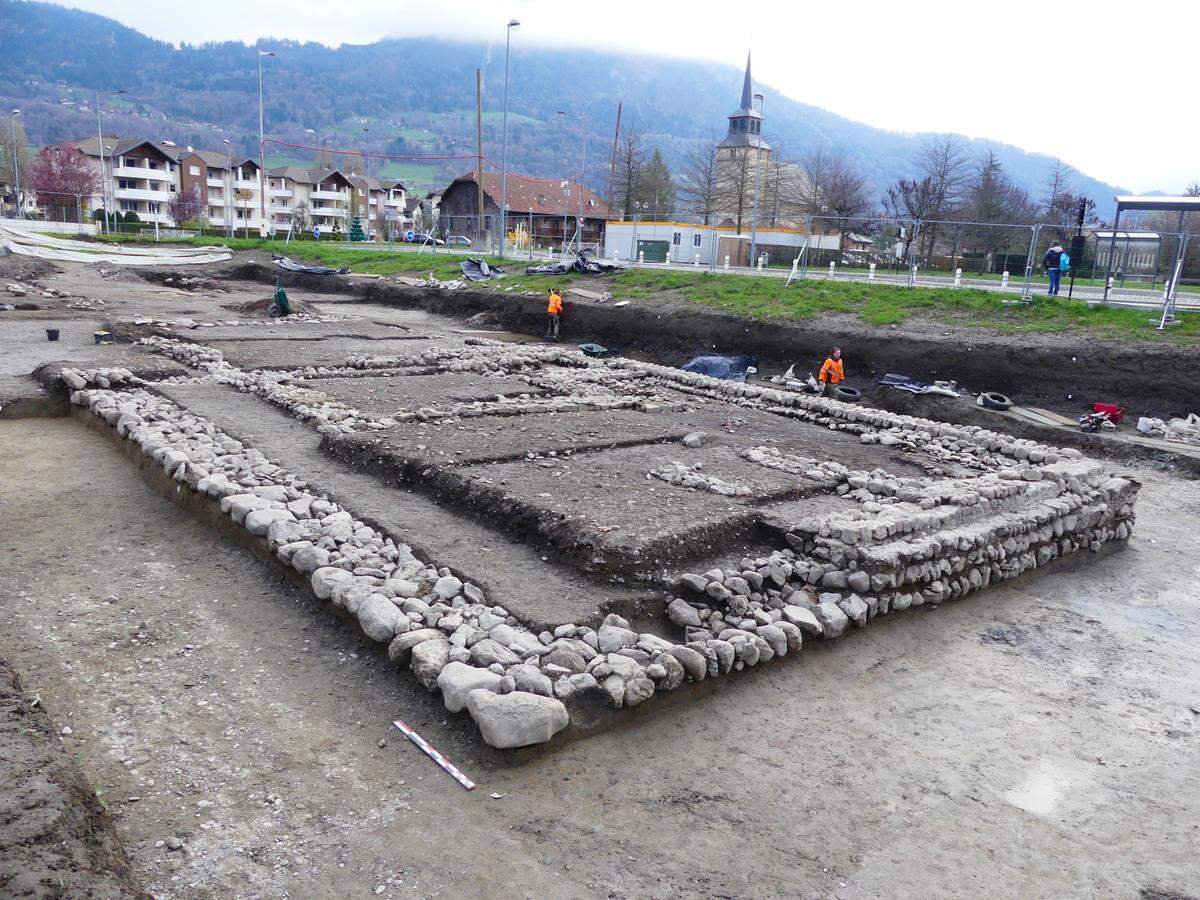
Photos show what remains of the 1,700-year-old building. Its outline is clearly identifiable, and its foundations appear relatively well-preserved.
But even this structure wouldn’t last. By the end of the third century, the building was abandoned and destroyed.
The area was eventually filled in and used for agriculture, archaeologists said. Construction of a nearby ditch changed the Arve River’s route and once again the site routinely flooded. The land remained undeveloped until now.
Thyez is a small town in eastern France, a roughly 360-mile drive southeast from Paris and near the border with Switzerland and Italy.
Google Translate was used to translate the news release from the French National Institute for Preventive Archaeological Research (Inrap).
This story was originally published July 8, 2024 at 7:50 AM with the headline "Muddy riverbank hid ruins of 1,700-year-old settlement — until now. See the finds."