‘Cryptic’ nocturnal bird — with unique song — turns out to be new species. See it

Hidden in the darkness, a “cryptic” bird flew through the forest on an island in southeast Asia. Occasionally, it stopped on a branch and called out.
Choh-choh-choh-choh-choh.
The unique song caught the attention of nearby scientists. It came from a new species.
Nightjars are a group of widely distributed birds with distinct songs but generally similar looks. They are “among the most difficult bird species to study due to their unobtrusive and nocturnal behaviour and cryptic plumage,” according to a study published June 24 in the peer-reviewed journal Ibis.
Birdwatchers on Timor island, a large island split between Indonesia and Timor-Leste, had long suspected the area was home to a distinct species of nightjars.
But hearing the unique choh-choh song and linking it to a single species proved difficult.
Researchers spent several years searching forests of Timor and nearby Wetar island for these elusive birds, the study said. They captured dozens of call recordings and studied decades-old museum specimens but weren’t able to definitively link these until 2013.
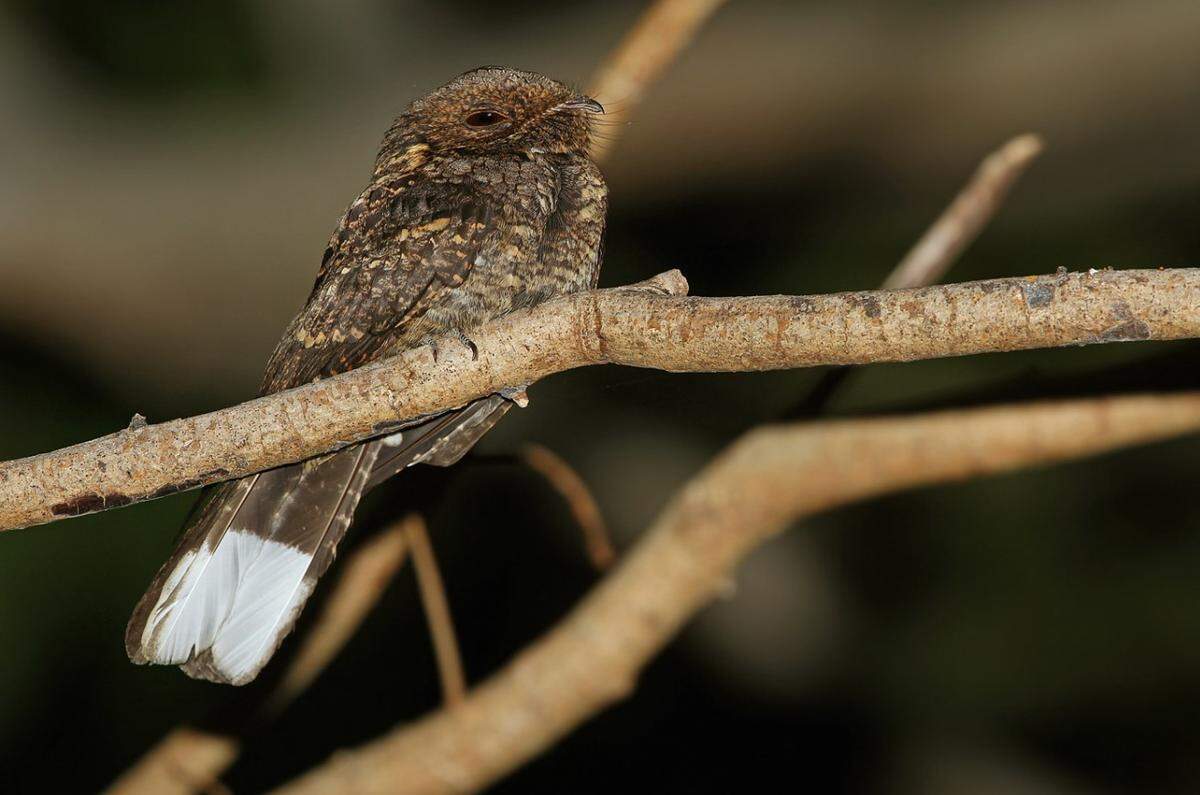
That September, researchers watched a bird make the choh-choh song and captured it With this missing link, researchers were able to confirm they’d discovered a new species: Caprimulgus ritae, or the Timor nightjar.
Timor nightjars have small beaks, brown feathers and a bright white spot on their tails, the study said. Photos show the mixture of cinnamon brown and orange-brown blotches on the bird’s feathers.
The bird’s “territorial” call sounds “lower pitched” and has a different “song pattern” than other nightjars, the study said.
Timor nightjars are nocturnal and live in a wide variety of forests but remain poorly known.
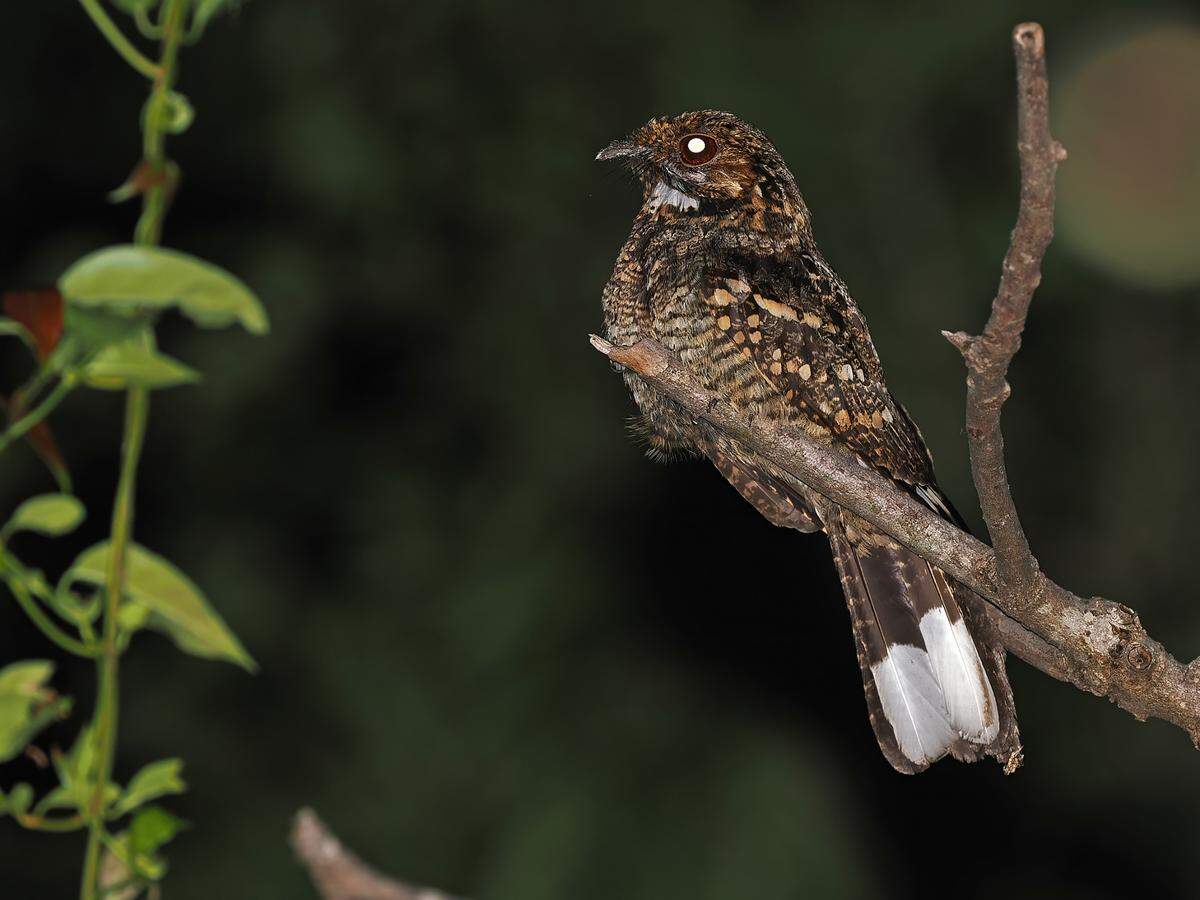
Researchers said they named the new species “ritae” after Rita Bobbin, a “long-time friend” of co-author Ben King.
So far, Timor nightjars have only been found on Timor island, both Indonesian West Timor and the neighboring country of Timor-Leste, and nearby Wetar island, the study said. The bird’s common name refers to the larger of these two islands.
The new species was identified by its call, DNA, coloring and other subtle physical features, the study said.
The research team included Ben King, George Sangster, Colin Trainor, Martin Irestedt, Dewi Prawiradilaga and Per Ericson.
This story was originally published July 3, 2024 at 7:42 AM with the headline "‘Cryptic’ nocturnal bird — with unique song — turns out to be new species. See it."