Ancient shipwreck hid hundreds of treasures — until now. See the finds in Greece
With its accidental discovery and countless ancient treasures, the Antikythera shipwreck in Greece sounds like something out of a Hollywood movie. Literally. This 2,000-year-old shipwreck inspired an Indiana Jones film, but its real-life mysteries are still being untangled.
The Antikythera wreck, named after the nearby island, was located by sponge divers in 1900. Initial exploration of the wreck identified it as a trading ship sunk during the first century B.C. and recovered a unique mechanical device now known as the Antikythera mechanism.
This mysterious geared artifact, sometimes referred to as an ancient “computer,” helped calculate astronomical phenomena and inspired the 2023 film “Indiana Jones and the Dial of Destiny.”
Despite being “the richest ancient wreck ever discovered,” exploration of the Antikythera wreck has been very limited, according to the international team leading work at the site. For years, the wreck was too deep for scuba divers and too shallow for remotely operated vehicles.
Now, divers are finally exploring the 2,000-year-old wreck with the help of specialized technologies.
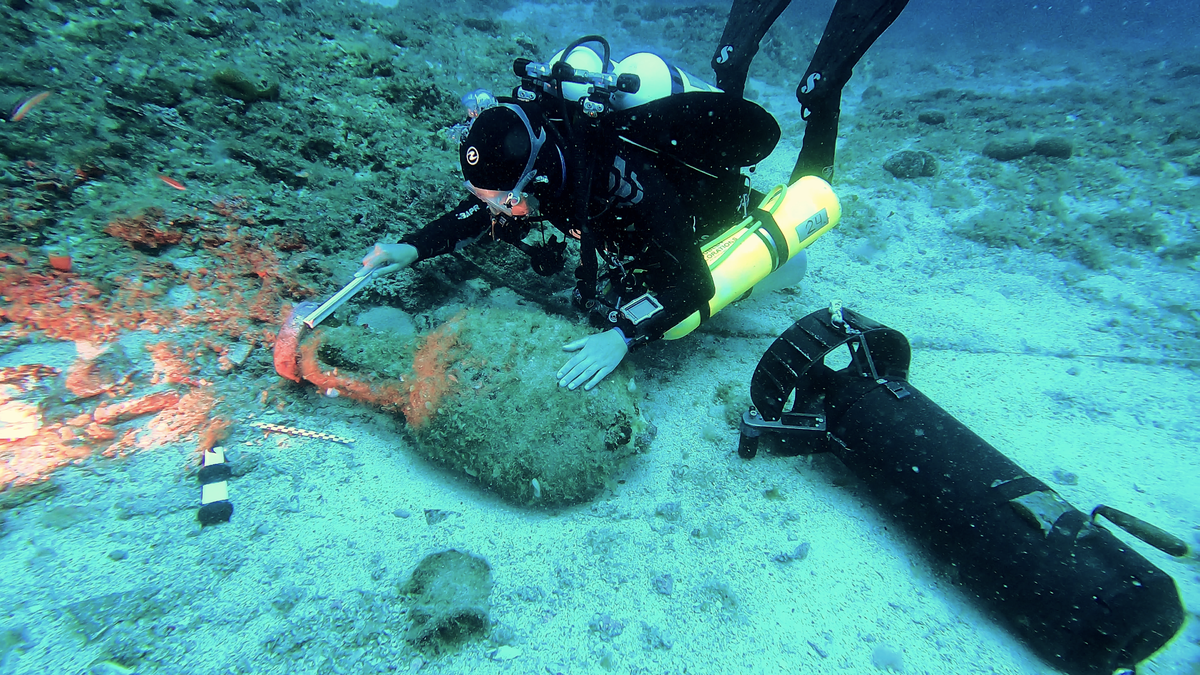
During this year’s month-long survey, divers uncovered a section of a ship’s hull and hundreds of ancient treasures, the Swiss School of Archaeology in Greece said in a July 1 news release.
The team’s “most remarkable discovery” was the wooden structure located about 700 feet away from the original wreck. The find confirms that a second wooden ship sunk at this site.
A photo shows the dark brown wooden planks, still partially buried in the seafloor.
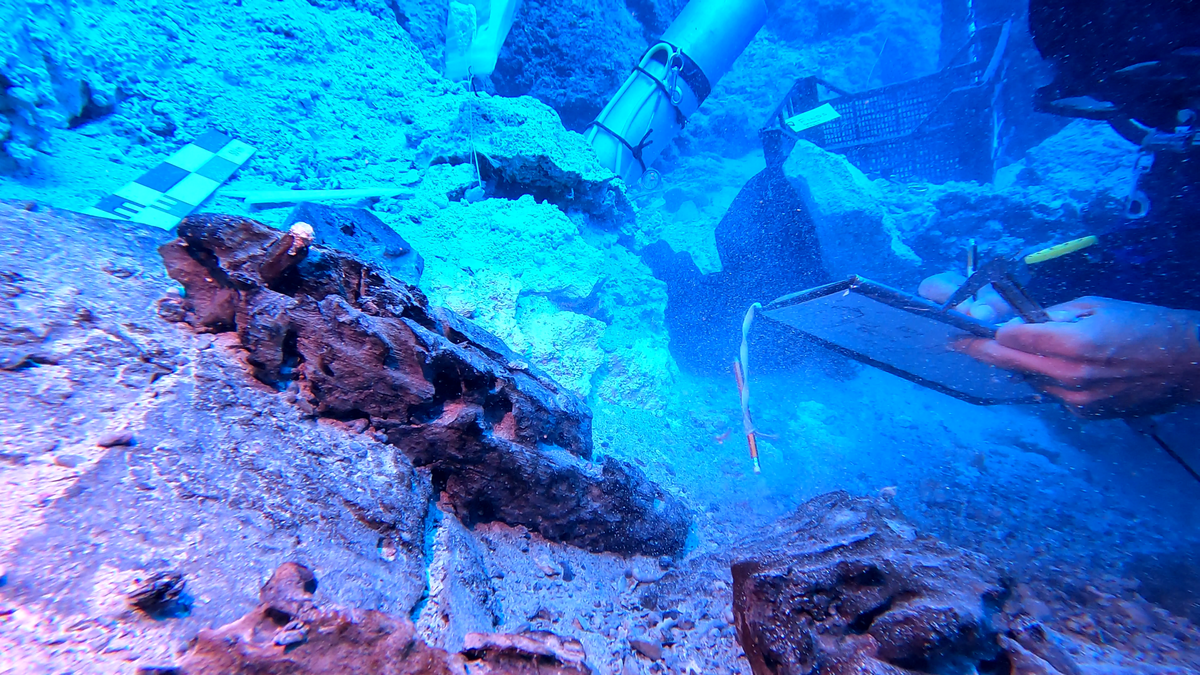
The second wreck site, referred to as Area B, is generally similar to the original wreck, known as Area A, according to Greece’s Ministry of Culture and Sports.
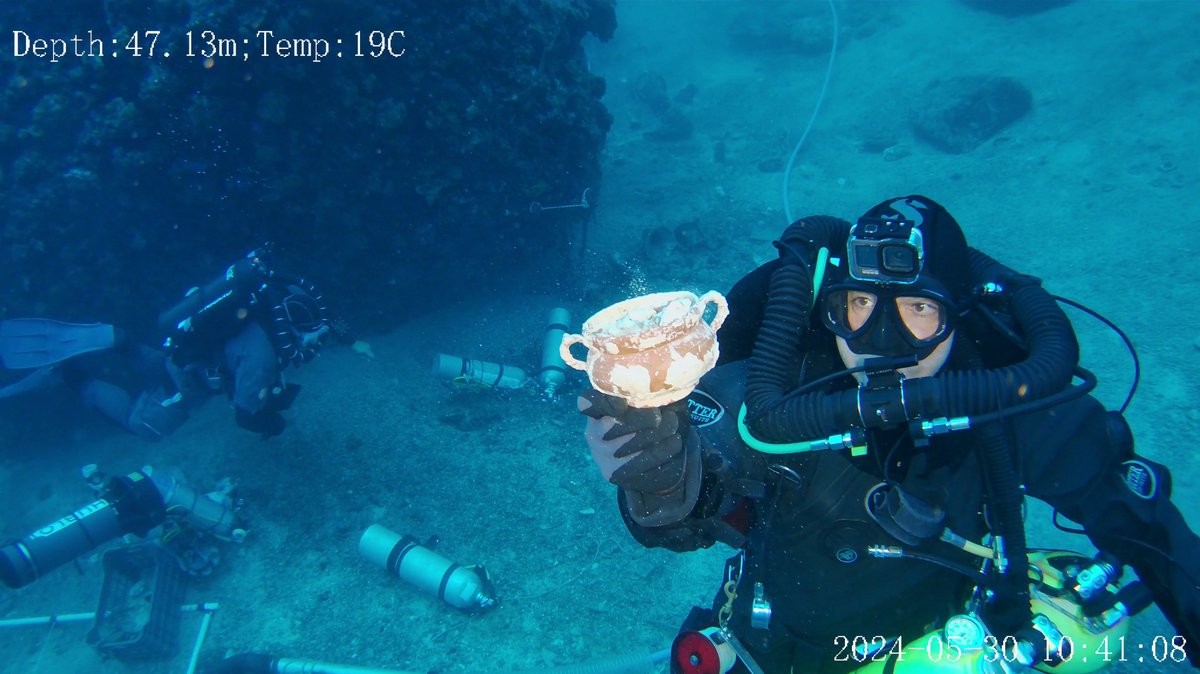
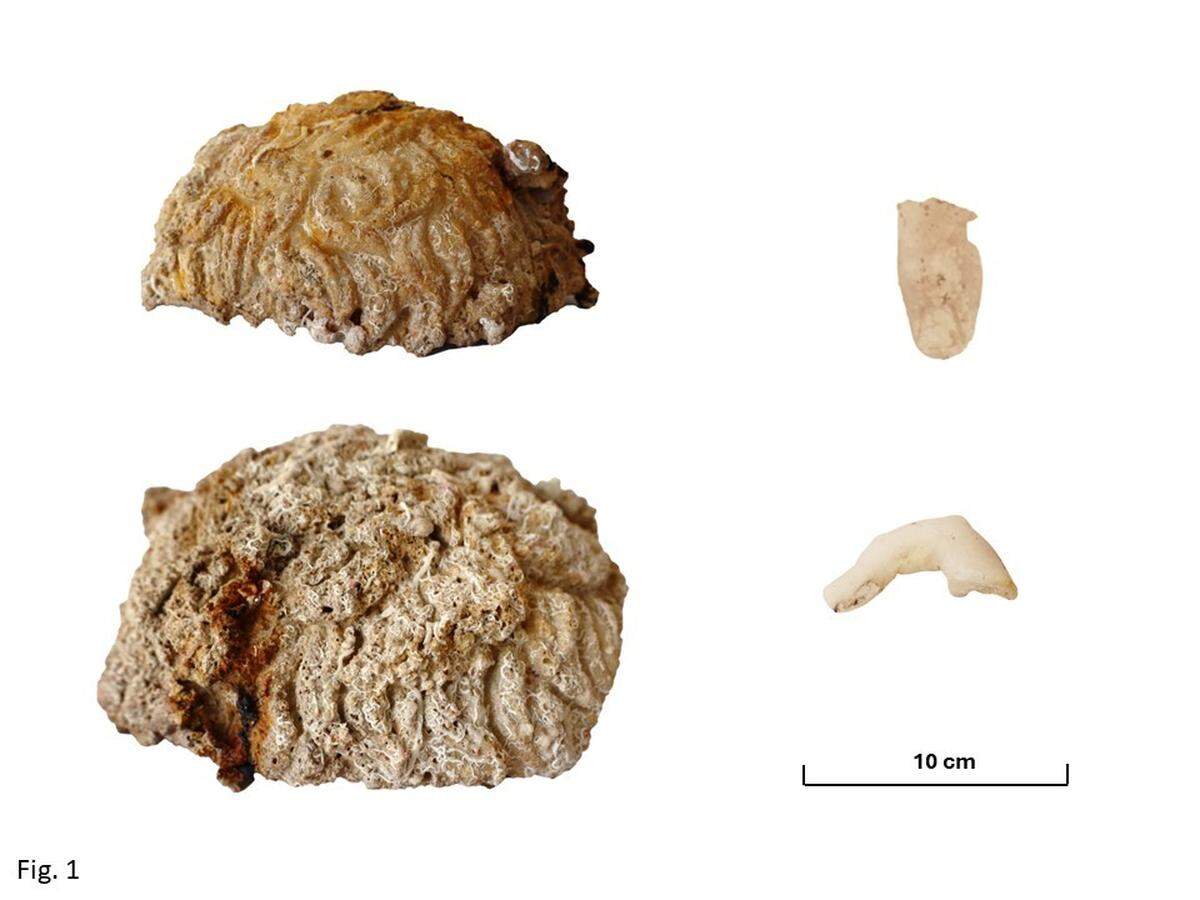
Divers also found about 300 artifacts, primarily pottery pieces but also fragments of marble sculptures. Photos show a few of these treasures.
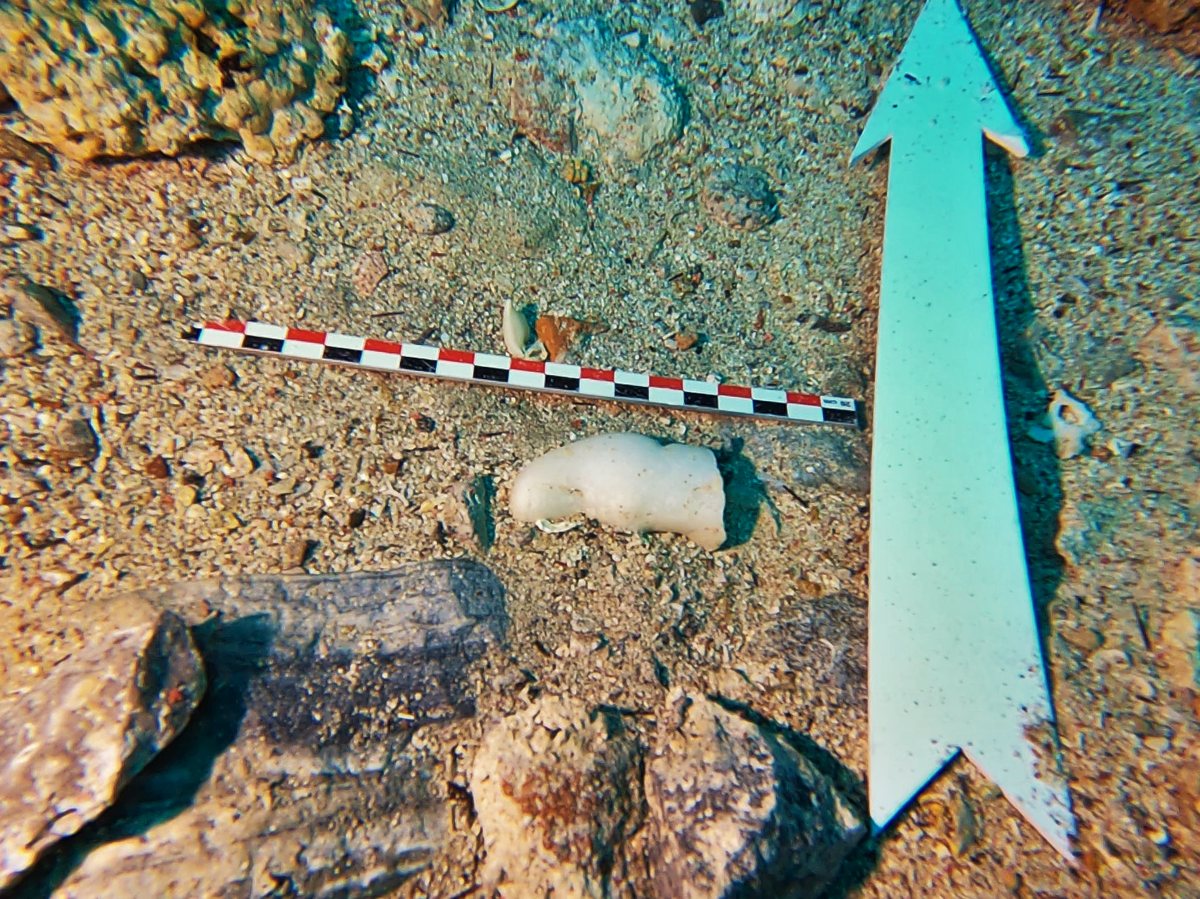
The marble fragments belonged to at least 18 different statues and ranged from head fragments to fingers to clothing, officials said.
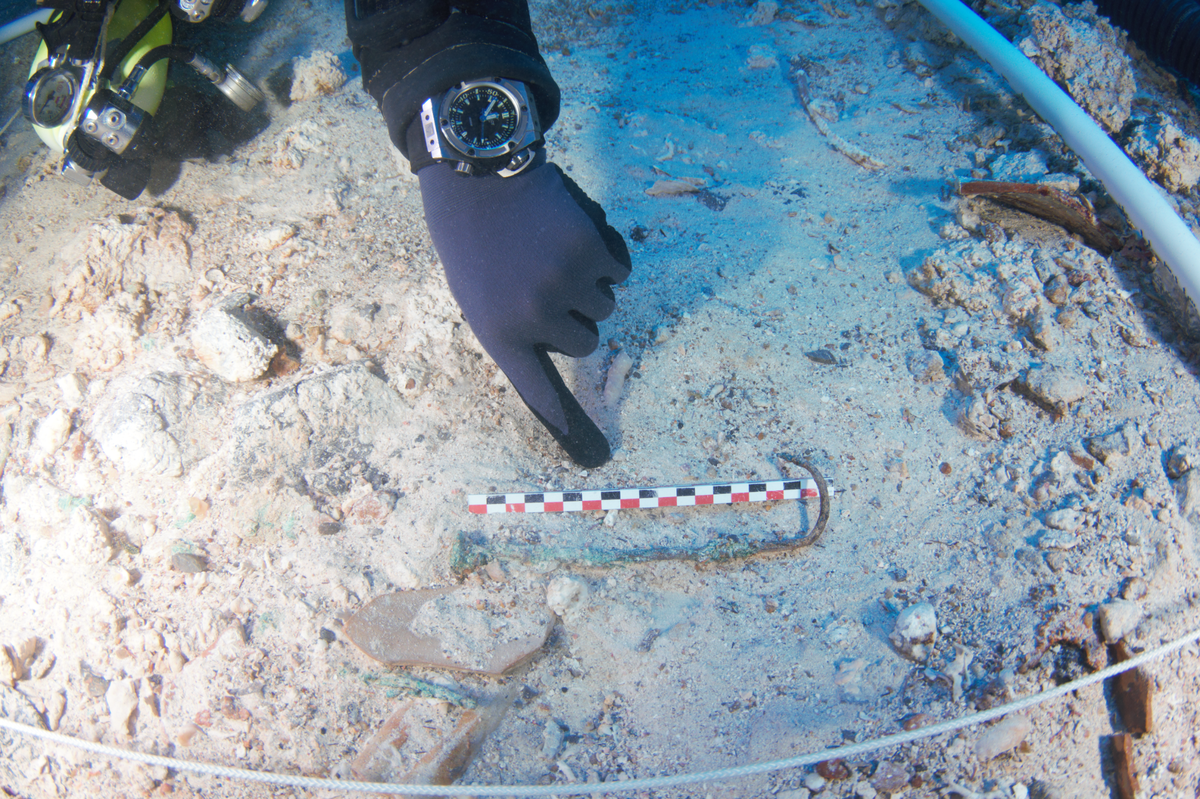
The roughly 200 pottery pieces included a wide range of styles. Inside one jar, archaeologists identified a type of plant resin known as mastic and used for waterproofing.
Excavations at the Antikythera wreck site will continue next year. The annual project began in 2021 and is scheduled to end in 2025.
Antikythera Island is roughly 150 miles southwest of Athens and north of Crete.
Google Translate was used to translate the news release from Greece’s Ministry of Culture and Sports.
This story was originally published July 1, 2024 at 10:50 AM with the headline "Ancient shipwreck hid hundreds of treasures — until now. See the finds in Greece."