
Ancient tombs — filled with ritualistic sacrifices — unearthed in Iran. Take a look
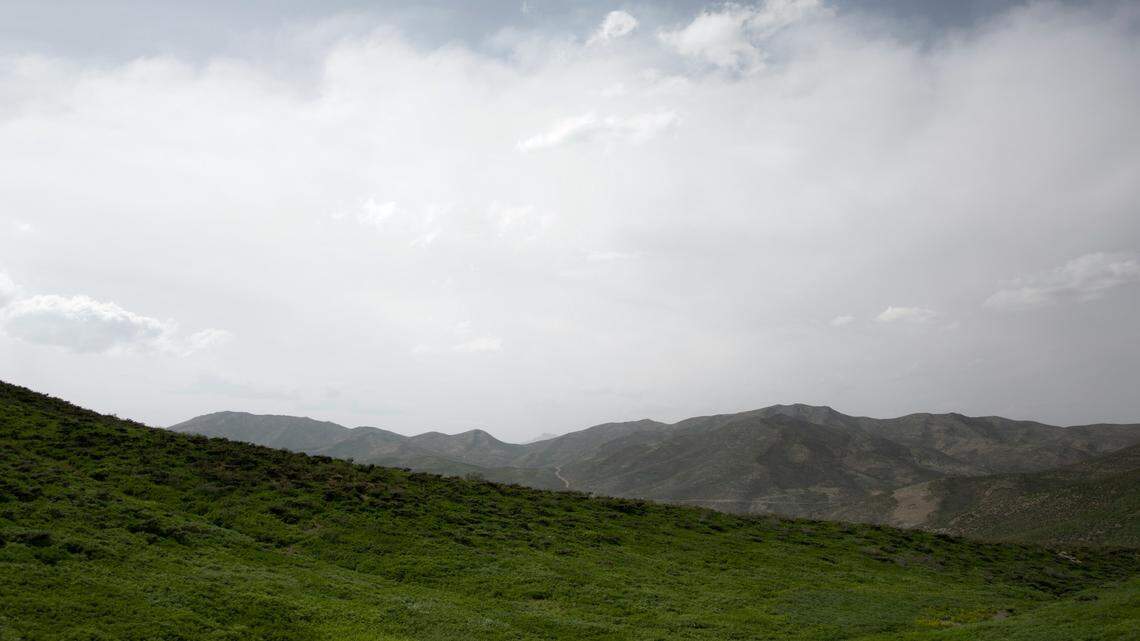
From the very first people to the modern day, respect for the dead is part of the human experience. Some are buried in the ground and covered with flowers while others are left at the center of vast mausoleums.
More than 5,000 years ago, people at the beginning of the Bronze Age began building tombs made from muddy bricks.
In the northwestern reaches of Iran, a few of those tombs have been uncovered, and it’s not just human remains that lay inside.
At the archaeological site of Kohne Tepesi just south of the Azerbaijan border, two tombs from the third century B.C. were found, according to a study published May 4 in the Journal of Field Archaeology.
They belong to the Kura-Araxes culture, a migratory group with funeral rituals that evolved over time, according to the study.
“These funerary architectural remains provide one of the earliest pieces of evidence of this type of architecture, at least in Iran, from the (Kura-Araxes) and post-(Kura-Araxes) periods,” researchers said. “ ... (The) elements offer us unique insights into how the inhabitants of this site conceptualized another form of being, or the world beyond life, and constructed their collective social memory through tangible markers within a landscape that served as a constant reminder of their past.”
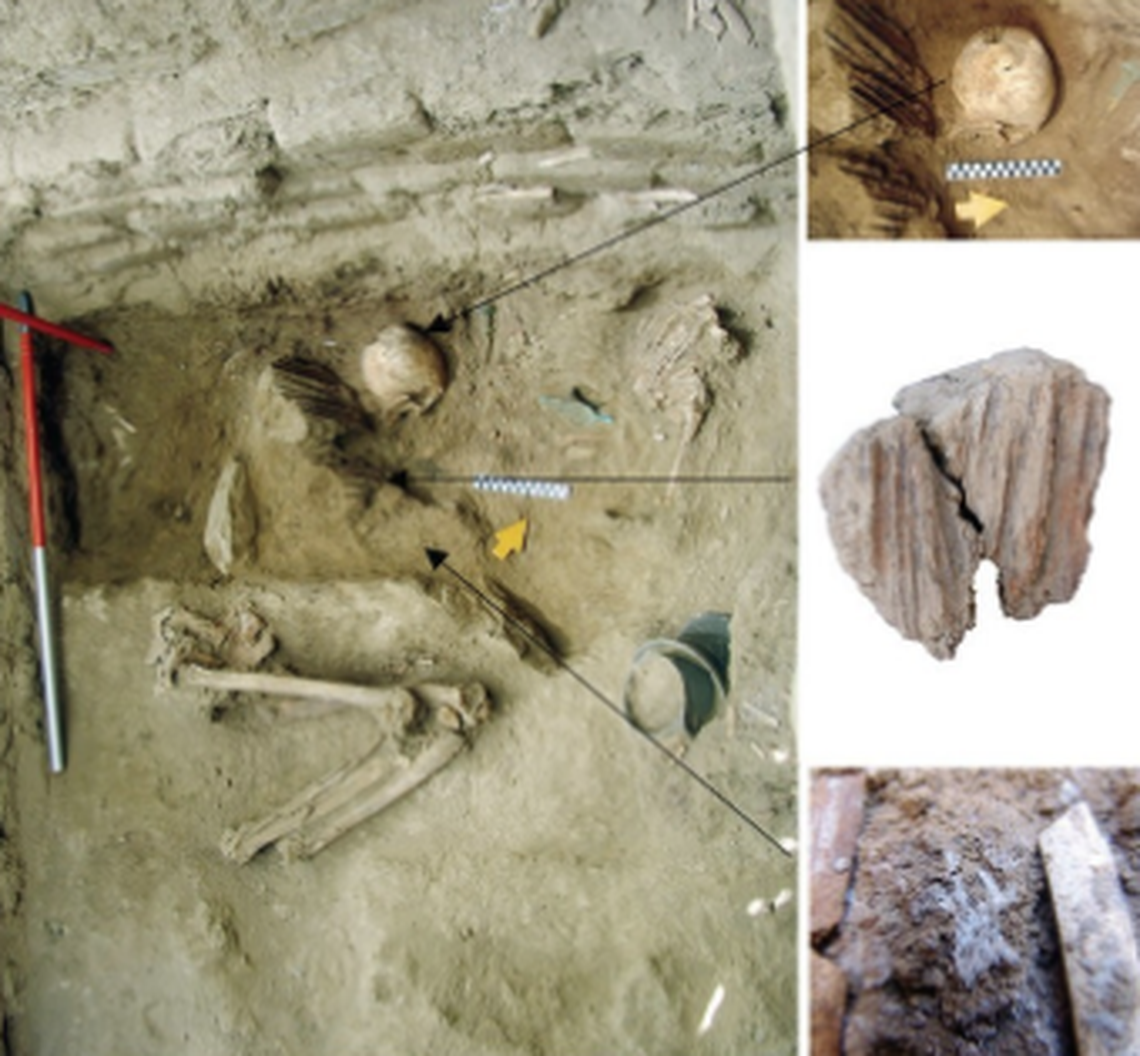
The first tomb was made of mudbrick with lower levels made from wood, thatch and clay and a natural soil floor, according to the study.
“The corners of the tomb are orientated toward the cardinal directions of the compass, which is an interesting feature,” researchers said.
Inside, the body of a man between 45 and 50 years old is on his left side in a “flexed” position, and his arms are bent with his hands near his head, according to the study.
Researchers found traces of arthritis and bone damage in the man’s skeleton, typically a sign of advanced aging, but more likely caused by a bone disease since the man had signs of an active lifestyle, researchers said.
Near the skull, a “sacrificed animal had been placed,” according to the study, and another was found in front of the man’s legs and under his body.
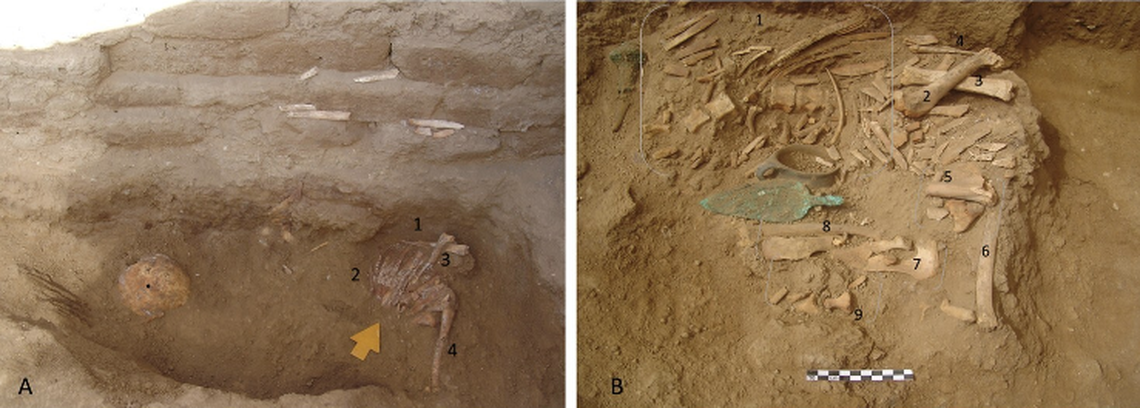
“More than 380 elements of animal remains were found in the tomb,” researchers said. “ ... Zooarchaeological studies reveal that the animal offerings are composed of goats and sheep.”
Archaeologists also found three ceramic pots, a bronze hair spiral, an armband, a battle-axe, a spearhead and a mace head in the lower level of the tombs, according to the study.
Multiple cups with stands and the pits of fruit were also found near the body from various levels of the tomb, researchers said.
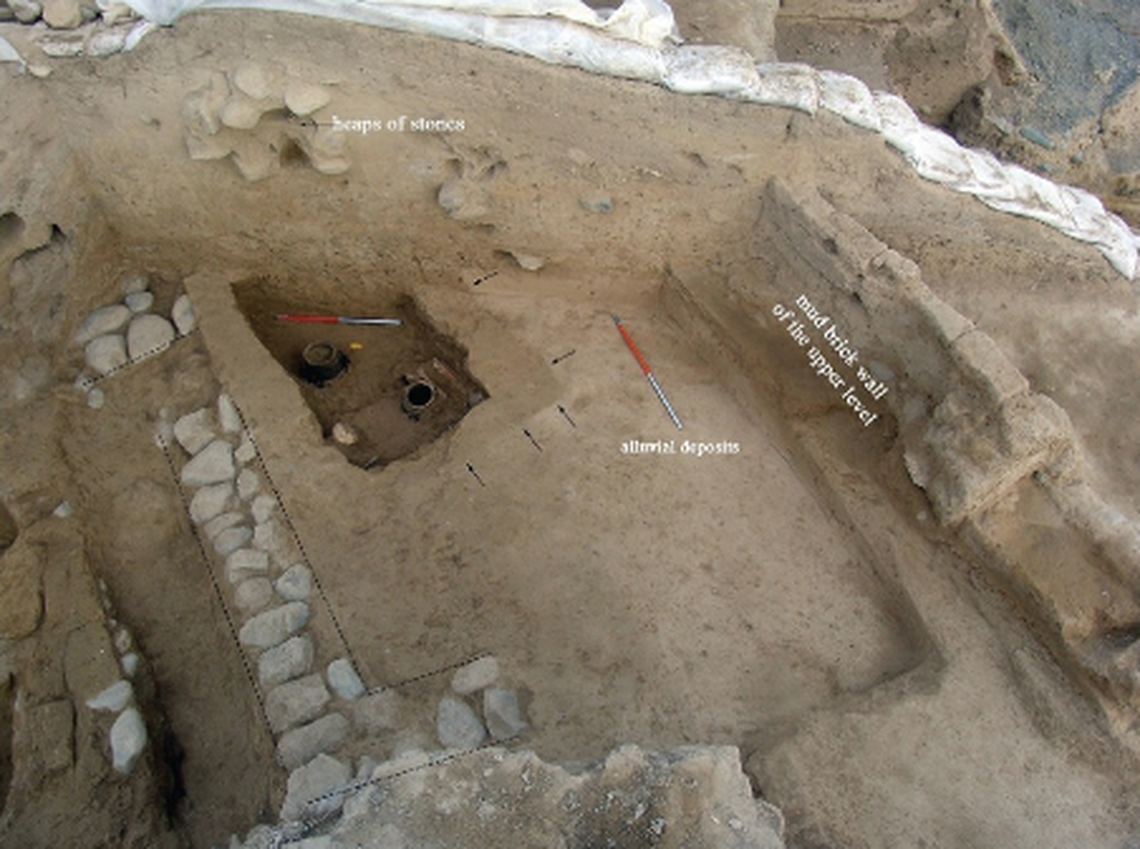
The second tomb, however, was a bit different and likely from a different time period of the same culture in Iran, according to the study.
Tomb II was also made of mudbrick but was a single level, instead with an extra platform that would have been used to place grave goods, researchers said.
It likely was created in a later time period, and the pelvis of the remains, believed to be from a 35- to 45-year-old man, had been removed and replaced with interment jars, according to the study. The conditions of the bones were much worse than those found in the other tomb.
“Unlike Tomb I, there is no trace of sacrificed animals,” researchers said, but animal bones were found inside the tomb.
The bones belonged to an adult sheep and maybe a goat, according to the study, but were not placed strategically or in the same places as the animal remains found with the other body.
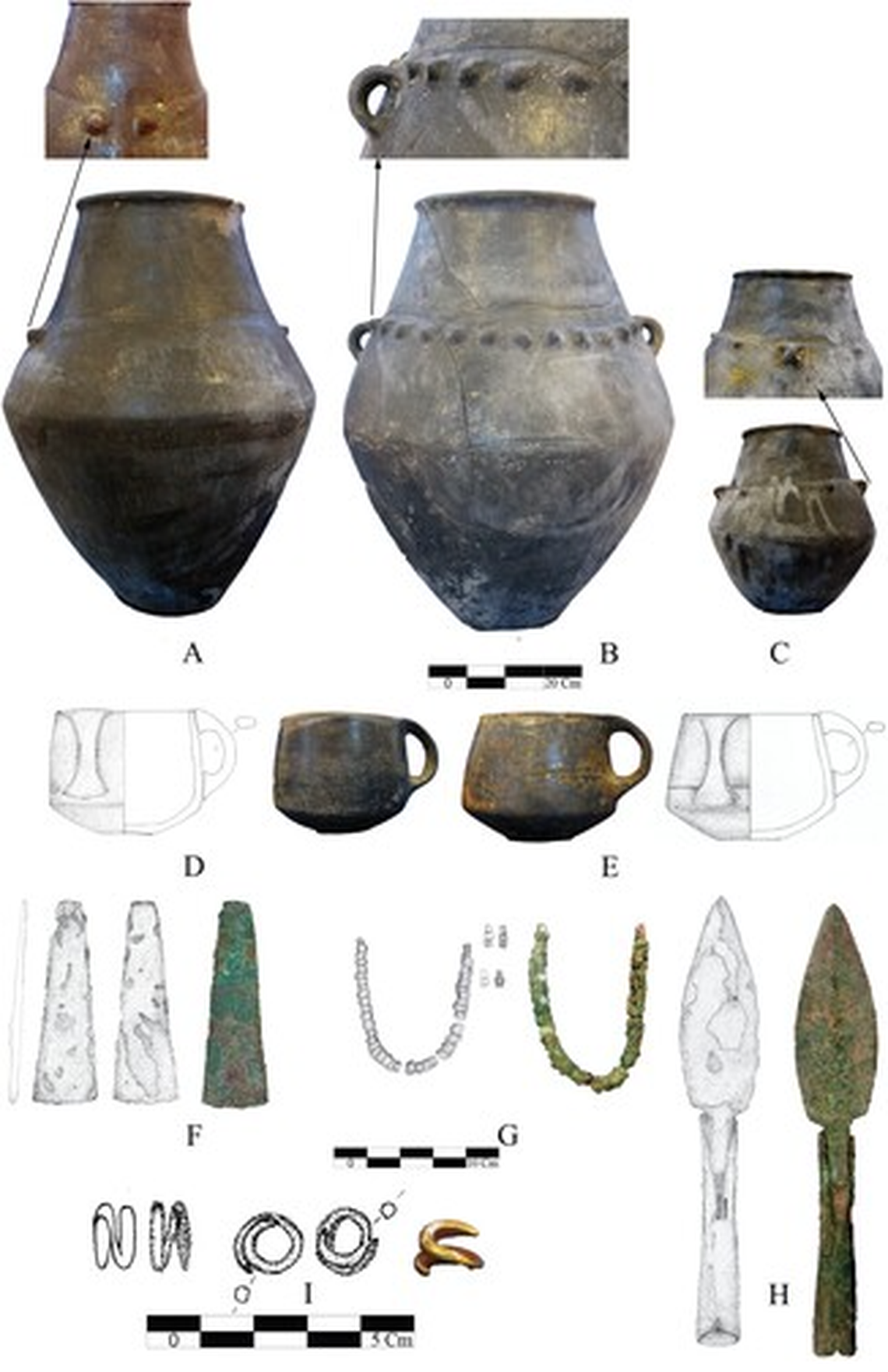
“To bring it all together, based on this detailed examination, it can be said that the tomb architecture at this site embodies the essence of memory and place. These underground mudbrick chamber tombs, meticulously constructed and adorned with symbolic elements, serve as more than mere repositories for the deceased. They are, in essence, monuments to the living community’s collective memory,” researchers said.
Archaeologists said the tombs are “expressions of cultural norms,” including which grave goods were included in the burial.
“While some grave goods, such as specific forms of pottery or metal objects inside the tombs, are tangible expressions of the social identity of the departed, other elements, such as animal skulls, food remains, and beverages, hold spiritual or ritualistic significance, pointing to the society’s metaphysical interpretations of death,” according to the study.
By examining the grave goods and using carbon-dating techniques, the researchers believe Tomb I was created between 2708 and 2471 B.C., according to the study. An exact estimation of the age of Tomb II could not be determined, but it is likely newer.
The tombs themselves do not fall into established categories from previous research, according to the study, and represent a shift in behavioral practices surrounding the dead.
This story was originally published May 20, 2024 at 4:35 PM with the headline "Ancient tombs — filled with ritualistic sacrifices — unearthed in Iran. Take a look."
