Workers unearth steelworks at medieval castle in UK — and find someone’s ‘hidey-hole’
Sheffield, known as “Steel City,” rose to prominence in the United Kingdom during the Industrial Revolution as a home for slaughterhouses, metalwork and the trades.
But the history of the city starts much earlier, with the construction of Sheffield Castle, according to the University of Sheffield.
Built during the late 11th or 12th century, the medieval construction has hundreds of years of history, ranging from the story of Mary Queen of Scots to the English Civil War, according to the university.
Now, the castle is the site of a massive excavation project that hopes to shed light on the redevelopments that took place over time.
The project is led by Wessex Archaeology North, a charity organization that works with local governments and academic institutions on archaeology projects across the United Kingdom, according to its website.
The 10-week dig, part of a city regeneration project that began in April, starts at the newest redevelopments of the castle site, according to an April 12 news release from Wessex Archaeology.
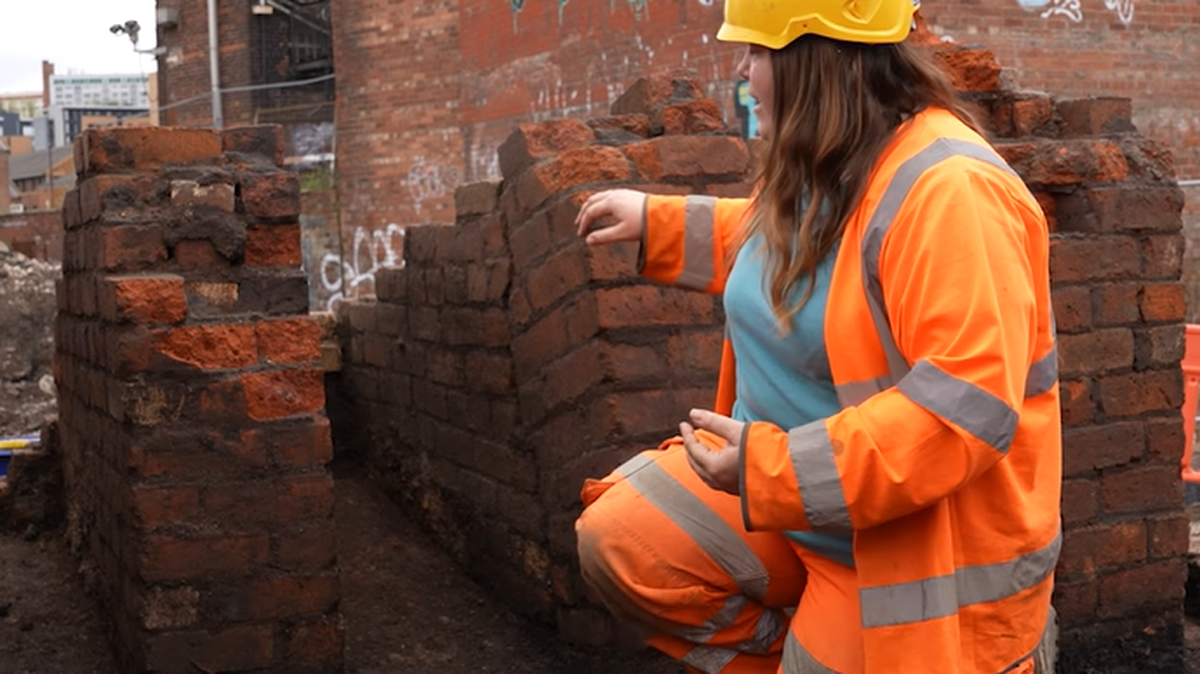
Working in a section of the site that was built in the 19th century, the archaeologists removed loose rubble and found the roof of a cellar containing a crucible furnace, with steps leading the way, according to the release.
“These furnaces would have been used to refine blister steel into higher quality crucible steel,” Wessex Archaeology said. “The steps are shown on the 1850s Ordnance Survey map, but came as a surprise on the ground as the base of the steps had been bricked up. The furnace was previously unknown and does not appear on consulted maps.”
Workers would have to endure blazing temperatures as they raked the falling ash from the furnace, a “back-breaking,” job, archaeologists said.
Then, as the excavations continued around the steelworks, archaeologists found evidence the workers left behind.
On April 19, archaeologists shared the “surprising ways steel workers left their mark.”
The first of these personal touches was a brick that was loose from the cellar wall, according to a video shared on Facebook by Wessex Archaeology.
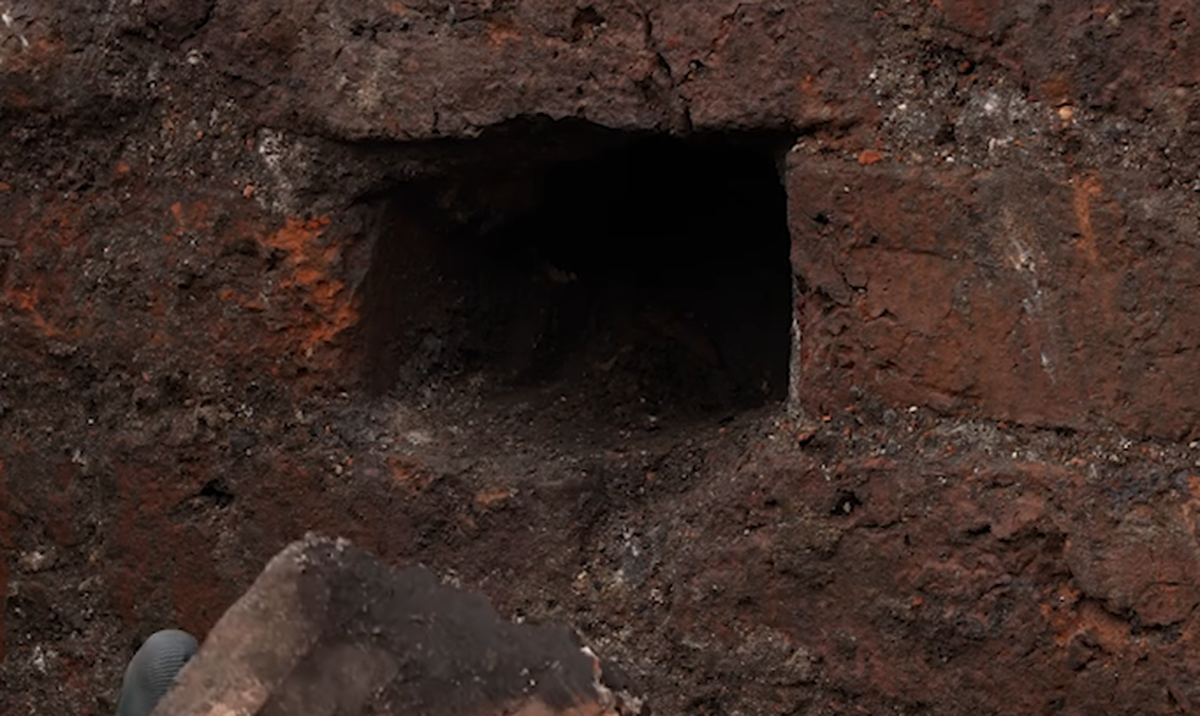
When the brick is removed, there is an opening left in the wall that could have been used to store personal items out of sight of the other workers or their superiors.
The hole was likely used as a “hidey-hole” for a clay tobacco pipe or a “little secret something,” archaeologists said.
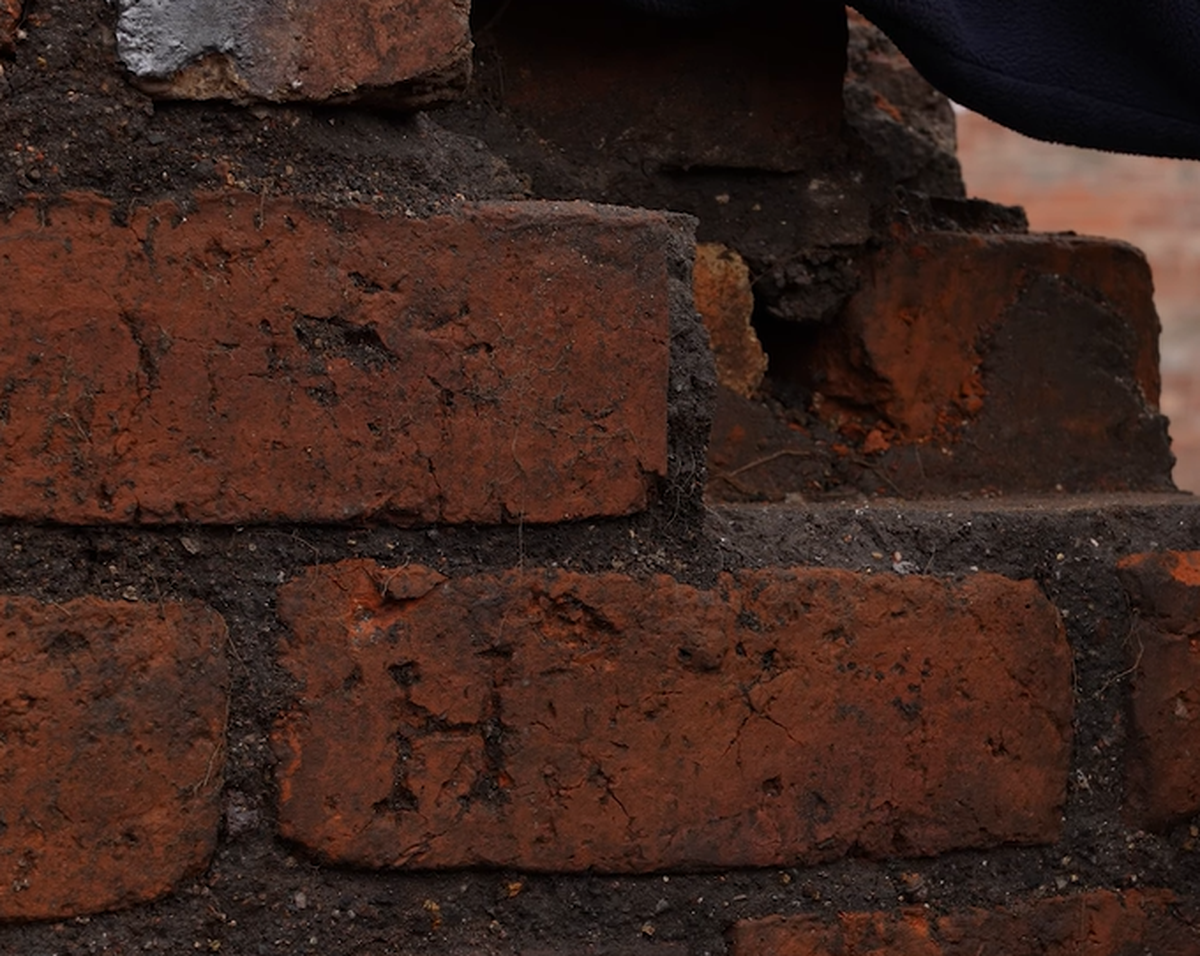
The second discovery was a bit of carved “graffiti,” Wessex Archaeology said.
In the cellar, one of the bricks has an “H” carved on its face, done with precision and with a Serif-type font, archaeologists said.
“So whoever has put this here wanted to come down the stairs and see this initial in front of them as they enter the cellar,” site director Ashley Tuck said in the video.
“As we uncover more features associated with Castle Hill steelworks we begin to tell more of Sheffield’s industrial history,” archaeologist Isabelle Sheriff said.
Sheffield is in central England, about a 165-mile drive north from London.
This story was originally published April 26, 2024 at 3:17 PM with the headline "Workers unearth steelworks at medieval castle in UK — and find someone’s ‘hidey-hole’."