
Roman shipwreck laid in shallow water for 1,700 years. Now ‘unique’ cargo is revealed
In 2019, a well-preserved Roman shipwreck was discovered in the shallow waters off the coast of Mallorca, a Spanish island in the Mediterranean.
Now, following an in-depth analysis, researchers have revealed the ill-fated ship’s cargo, which included fish sauce and fruit preserves, according to a March 21 study published in the journal Archaeological and Anthropological Sciences.
The findings shed light on commercial trade in the Roman era, when an array of materials were ferried throughout the Mediterranean via boat.
The 40-foot-long wreck, which sits under just 6 feet of water, likely sank sometime around the fourth century A.D., making it about 1,700 years old. It is believed to have departed from a port in southwestern Spain before sinking under unknown circumstances.
Its wooden hull is littered with amphorae, a type of slender jar commonly used for transporting goods.
Three main types of amphorae were located within the hull, the most abundant of which are known as Almagro 51c. Some of these vessels bore painted inscriptions, which stated that they contained a liquid fish sauce.
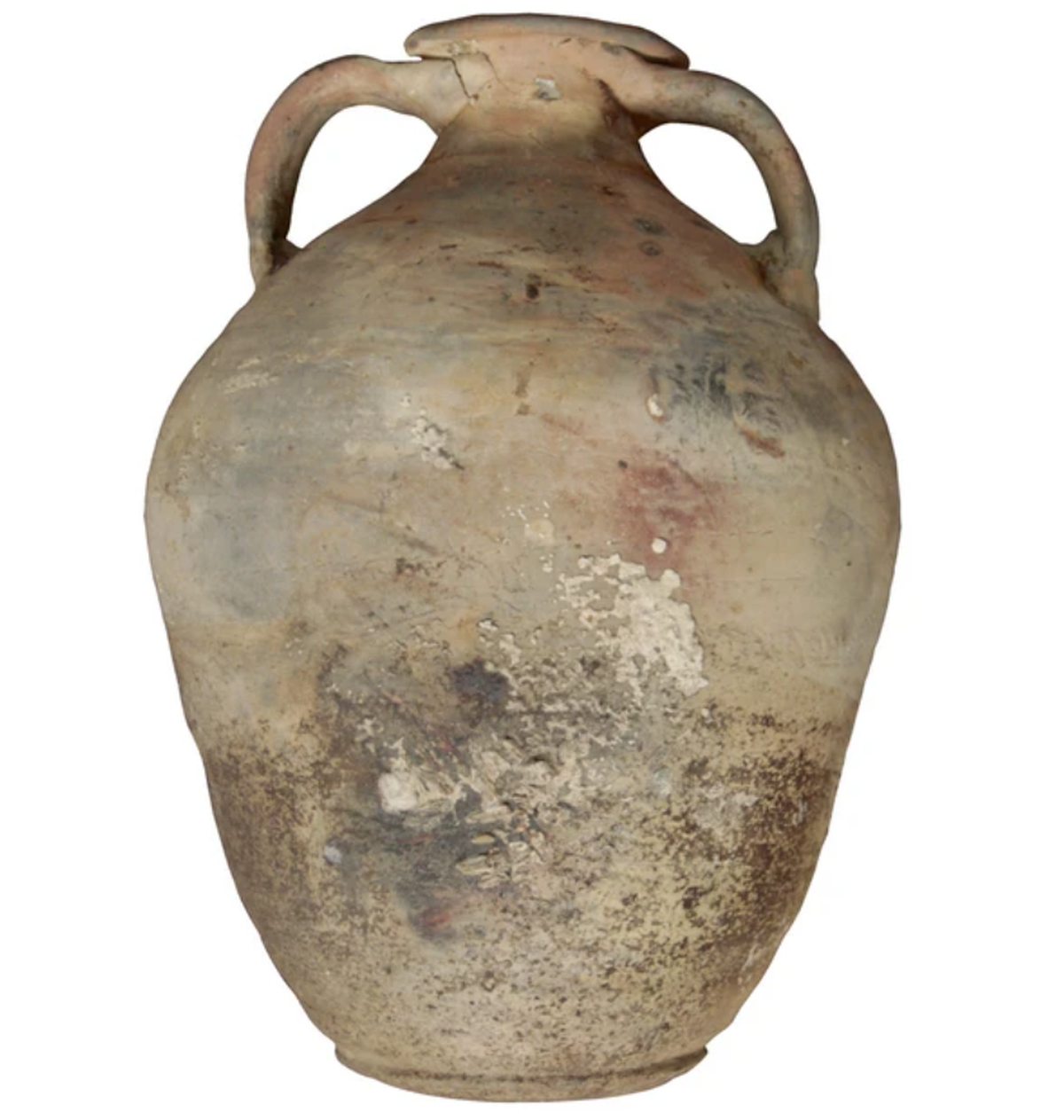
Residue analyses confirmed these inscriptions, revealing traces of anchovies and sardines, researchers said.
“The shipwreck is a unique example since is one of the few cases around the Mediterranean where, thanks to an exceptional state of preservation, is possible to relate the information of the painted inscriptions with the paleocontent,” researchers said.
The second type of vessel identified, which is new to researchers, was named Ses Fontanelles I, and contained residue of plant oil.
The third type of vessel, flat-bottomed amphorae, showed evidence of olives as well as residues from wine “or other grape derivatives,” researchers said.
In addition, plant residue — from various herbs and vines — was located between the amphorae, indicating it was used to protect the cargo.
“Amphorae, sensible to friction and mechanical breakage, needed at least sometimes a proper packaging,” researchers said.
A single pinecone was also found inside the hull — which is not a rare phenomenon. It could have been used in packaging or perhaps as a seal for the amphorae.
“The results help to shed some light into different aspects of this unique vessel sunk in Mallorcan waters and contributes to show the benefit of applying archaeological sciences in maritime archaeology,” researchers said.
Food remains have also been found aboard other centuries-old shipwrecks in recent years, including an array of spices discovered aboard a 15th century wreck near Sweden, according to previous reporting from McClatchy News.
This story was originally published April 23, 2024 at 2:15 PM with the headline "Roman shipwreck laid in shallow water for 1,700 years. Now ‘unique’ cargo is revealed."