Scaly desert creature — isolated by mountains in China — is a new species. See it
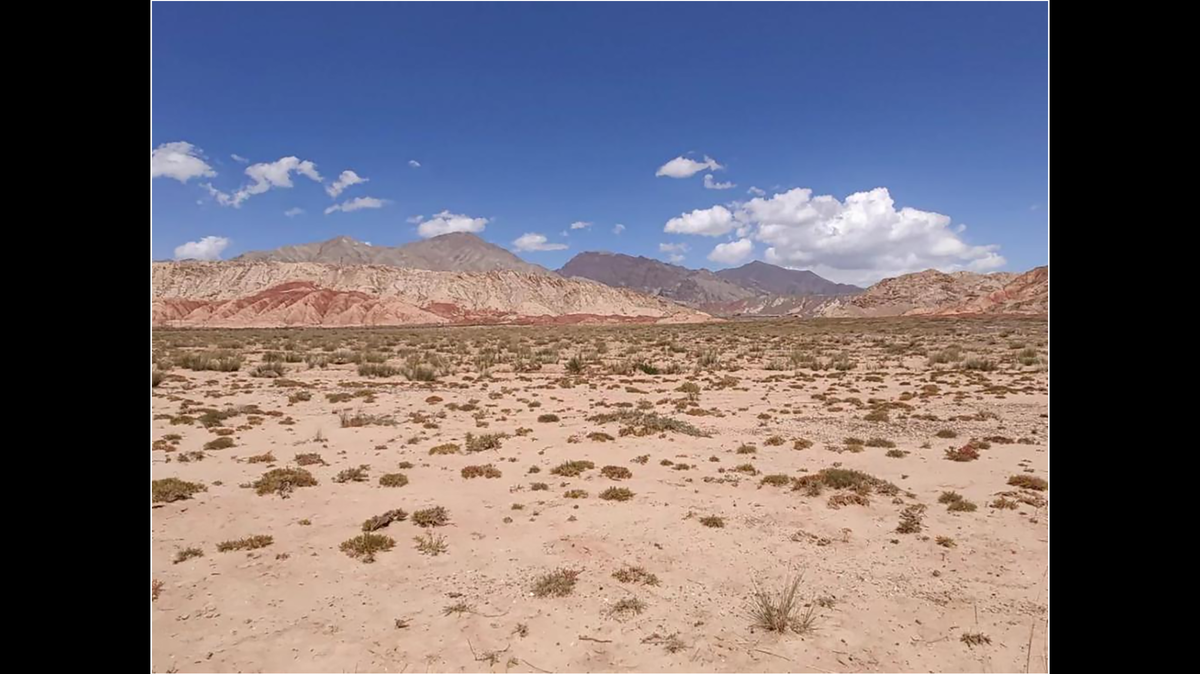
In the mountainous, desert landscape of the Tibetan Plateau, a small, scaly reptile scurries across the sand.
Hidden by short grasses and rocks, this lizard has been isolated on the desert flatland for millions of years, cut off from others by towering peaks.
The geographic isolation allowed evolution to take its course and now, researchers have compared the lizard to others on the opposite side of the mountains.
It’s an entirely new species.
Named Phrynocephalus kangsuensis, a type of toad-headed agama lizard, it stands apart from other known species because of “bulging” scales in and around its nose, the researchers said in a March 27 study published in the journal PeerJ.
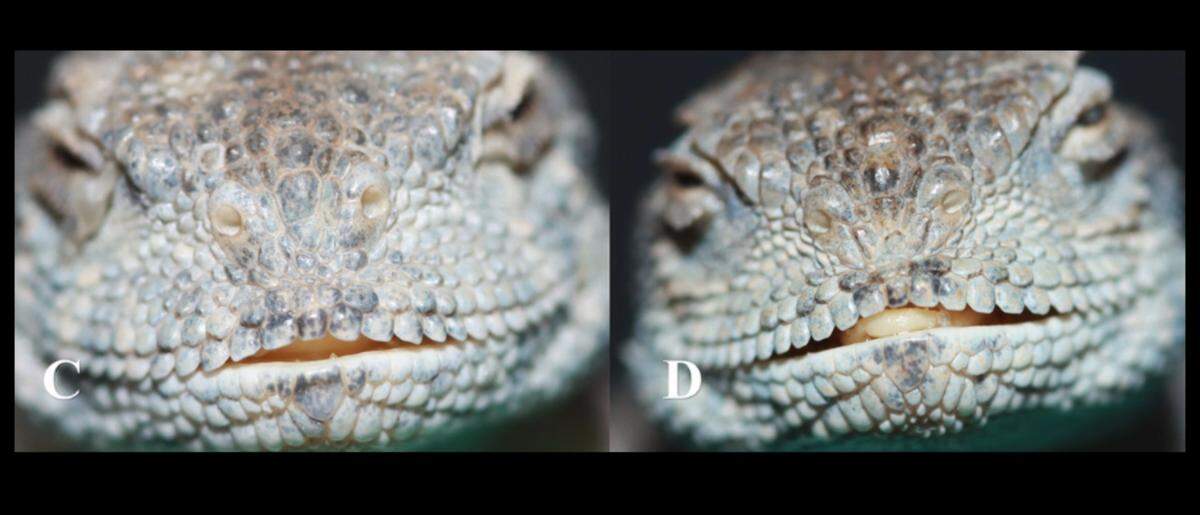
One nose scale has the shape of a kidney, the researchers said, and another was “inflated.”
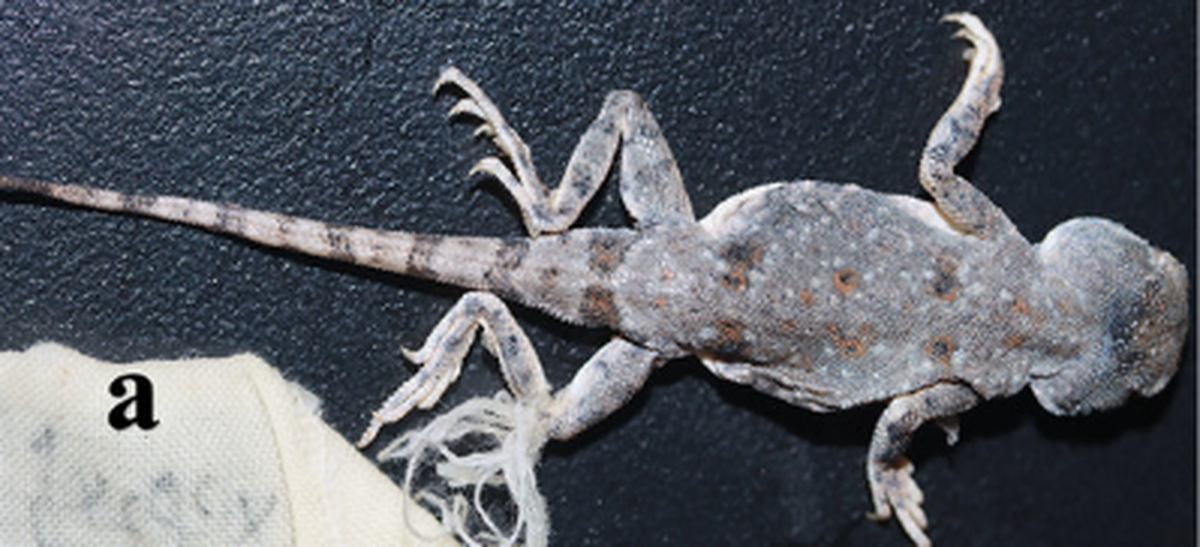
The lizards also have between five and seven pairs of “orange-red” spots along their spinces and stripes down their tails, the researchers said.
The lizards have a “bluntly rounded head” and a “short and blunt muzzle,” according to the study.
The animals were discovered on field trips around the Tarim Basin, a desert valley surrounded by mountains on all sides in northwest China.
“It is a typical arid Gobi environment with a substrate of sandy gravel covered with short grasses,” the researchers said.
The region is the site of significant geological shifts over the millennia, according to the study, causing areas that were once connected to be cut off from one another.
About 4.5 million years ago, there was a geological “collision” with the Pamir Plateau that led to mountains forming on the northwestern part of the basin, the researchers said, “which formed a distinct high and low relief with the Tarim Basin.”
“This may have led to the separation of P. kangsuensis from other geographic populations,” according to the study.
When the researchers compared the genetics of the new species to ones known in other parts of the basin, they concluded the “Wuqia population” diverged about 3.96 million years ago, the researchers said.
The study said “the combination of deep valley landscapes in the high mountains and ice-age events” pushed the creation of the new species.
Tarim Basin is in northwest China, near the border with Kyrgyzstan.
This story was originally published April 3, 2024 at 11:39 AM with the headline "Scaly desert creature — isolated by mountains in China — is a new species. See it."