Jewelry found beside ancient bodies in Turkey are 11,000-year-old piercings. See them
For decades, parents around the world have asked themselves if it’s “just a phase” when their children come to them asking to get something pierced.
Findings among ancient bodies buried in Turkey suggest not only are piercings “not just a phase,” but they also were an essential part of fitting in thousands of years ago.
Researchers in the Mardin province of Turkey were excavating a burial site to save the remains from the construction of a hydroelectric dam when they noticed small objects around the bodies, according to a March 11 study published in the journal Antiquity.
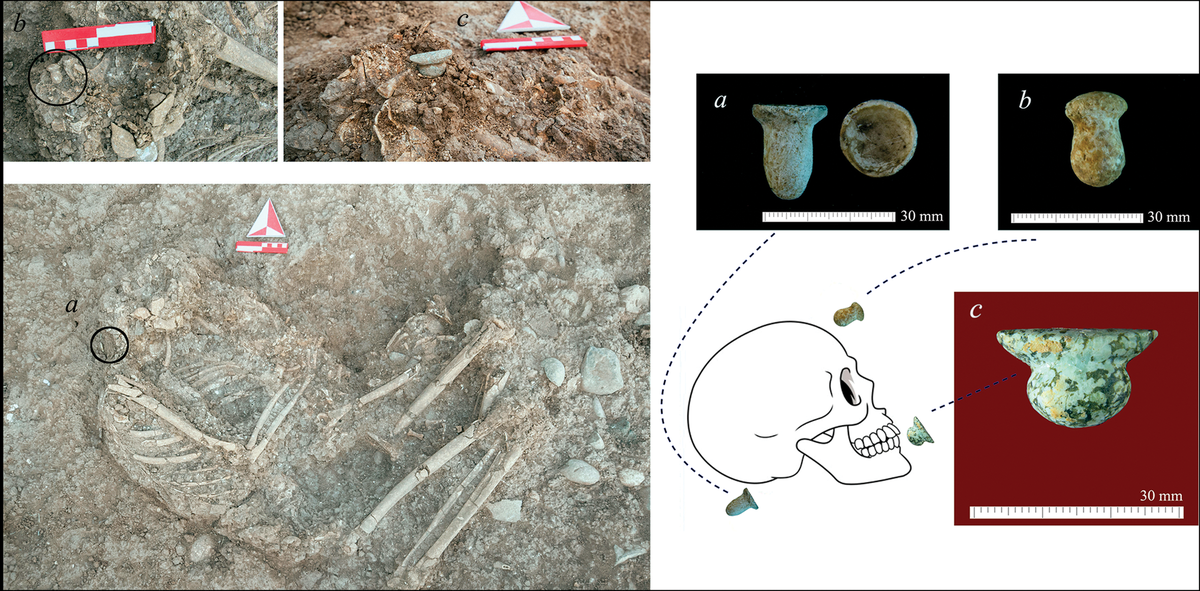
Lying in the dirt by the skulls of the remains, small “nail-like” objects and discs were situated in situ, or next to, where the ears and chins of the ancient people would have been, the study said.
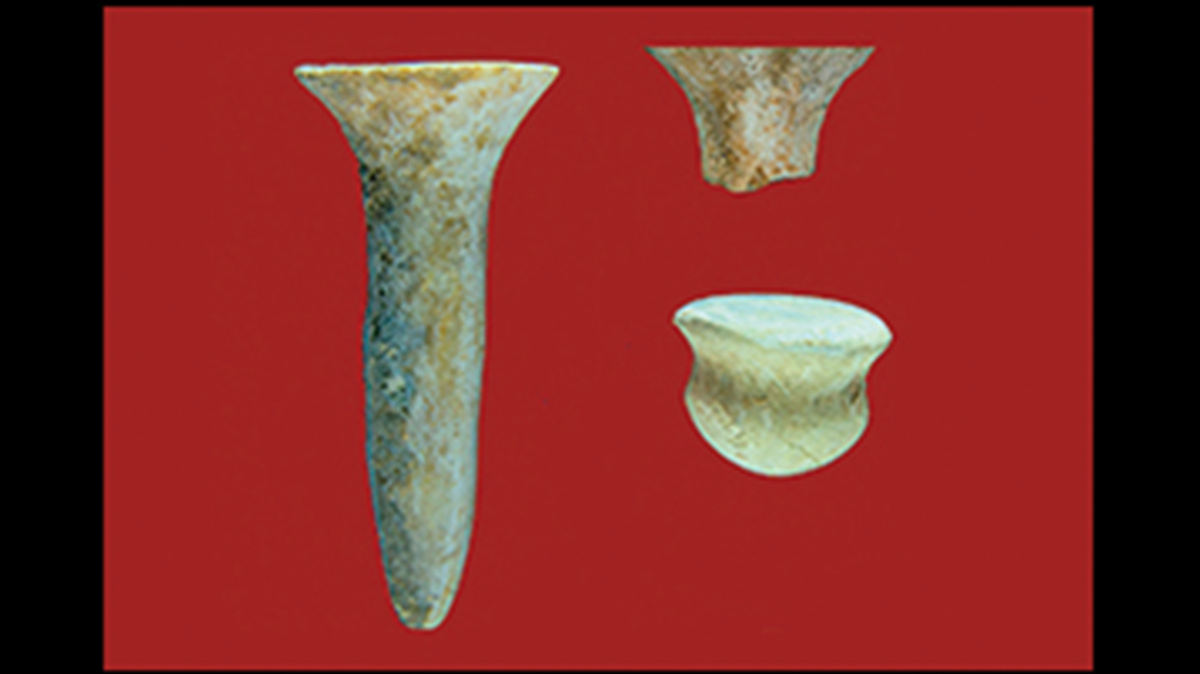
Some looked like short, stumpy nails, while others had the appearance of stoney plugs, according to the researchers.
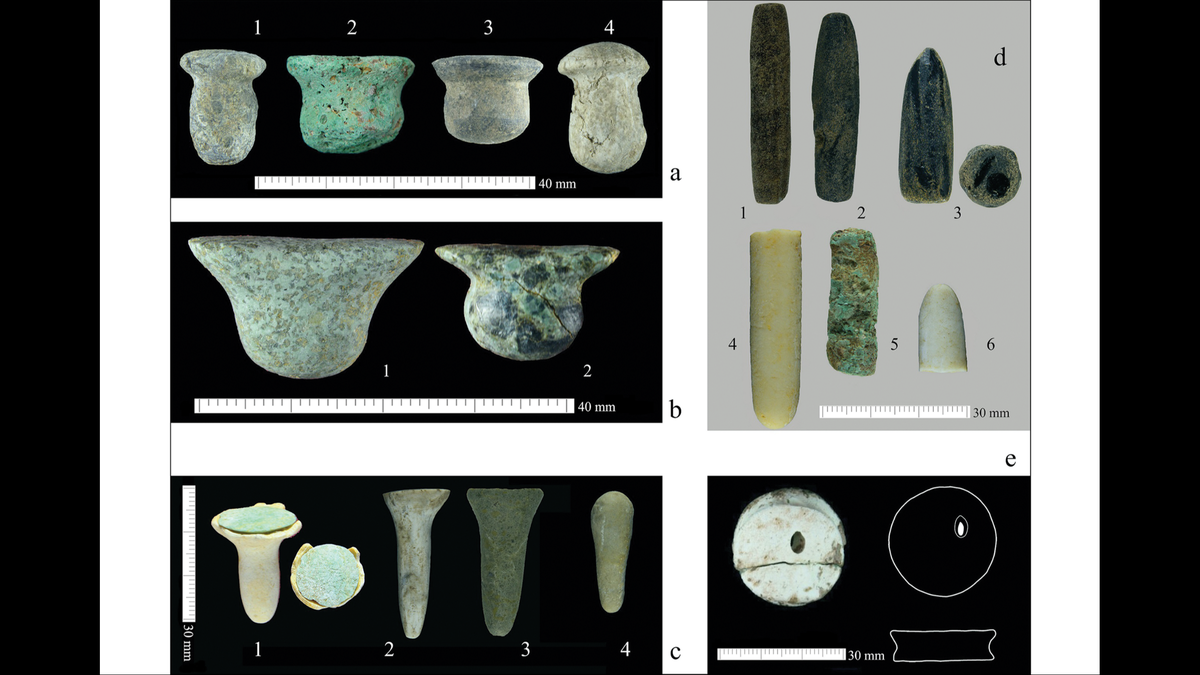
The objects were made from materials such as serpentine, limestone, chlorite, flint, obsidian and copper, and all dated to a time before pottery, the study said.
The researchers realized they were looking at some of the oldest “body perforations” ever seen in the region, and they were earrings and lip piercings.
“Although only a small proportion of the range of ornaments in use during the Neolithic were intended for ear and lip decoration, the presence of these ornaments shows that the people of Boncuklu Tarla practiced ornamentation that involved the permanent adaptation of the human body in at least two areas: the ear and lower lip,” the researchers said.
The pointed piercings are similar to what we might see from gauges today, a thick stud going through the ear and stretching the skin.
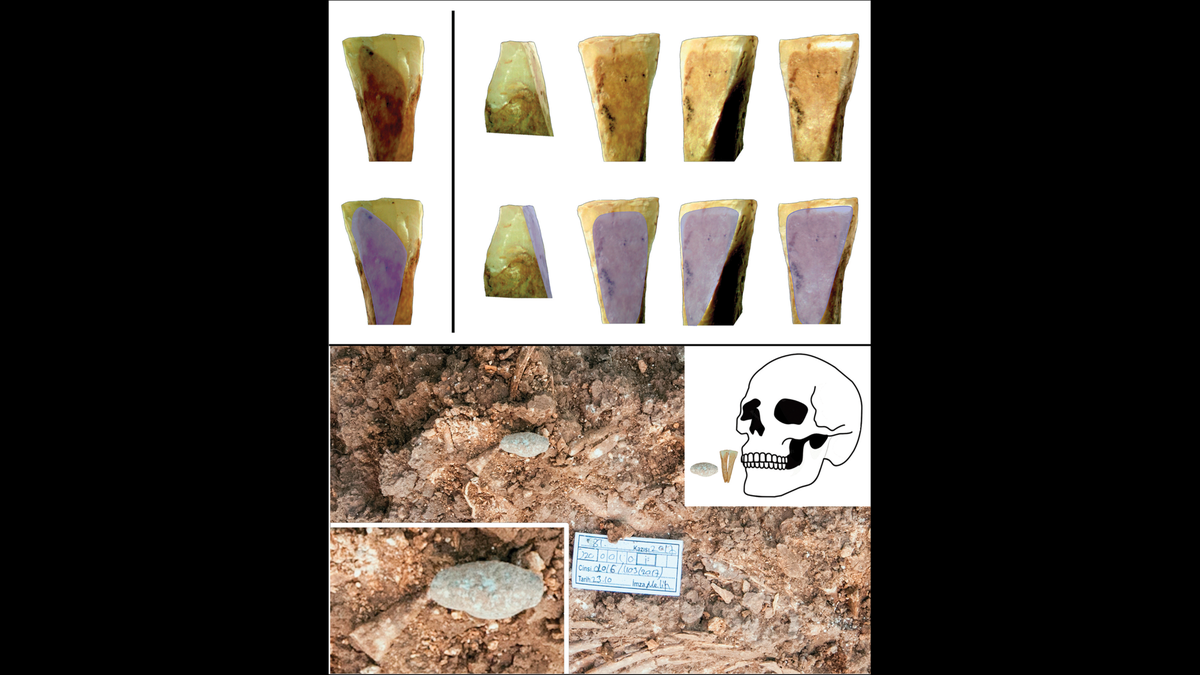
The other pieces of jewelry, round discs that look like plugs, are labrets, a piercing in the center of the bottom lip common in some neolithic cultures in southwest Asia from 10,000 to 6,000 B.C., the study said.
These remains, dated to about 11,000 years ago, may be the “earliest contextual evidence for the use of body augmentation requiring perforation of bodily tissue” in the region, the researchers said.
“Because of the physical adaptation required in their use, and the associated pain, ornaments used in body perforations are often associated with adults as an indication of maturity and social status,” according to the study.
The researchers said labrets have been known to express sexual maturity, aggressiveness, the ability to speak, strength or to identify economic status in ancient cultures.
The practice is limited to adulthood, the researchers said, and all of the roughly 100 piercings they found were near the bodies of adults even with the remains of children also buried at the site.
Some skeletons also showed changes to their lower teeth, which may have resulted from having a labret in their lip for an extended period of their life, the study says.
“It shows that traditions that are still very much part of our lives today were already developed at the important transitional time when people first started to settle in permanent villages in western Asia more than 10,000 years ago,” study author Emma Baysal, an associate professor of prehistory at Ankara University in Turkey, told Heritage Daily.
“They have very complex ornamentation practices involving beads, bracelets and pendants, including a very highly developed symbolic world which was all expressed through the medium of the human body.”
This story was originally published March 11, 2024 at 1:41 PM with the headline "Jewelry found beside ancient bodies in Turkey are 11,000-year-old piercings. See them."