Sea creature — with a ‘hairy’ ‘shaggy’ body — found on Korea islands. See new species
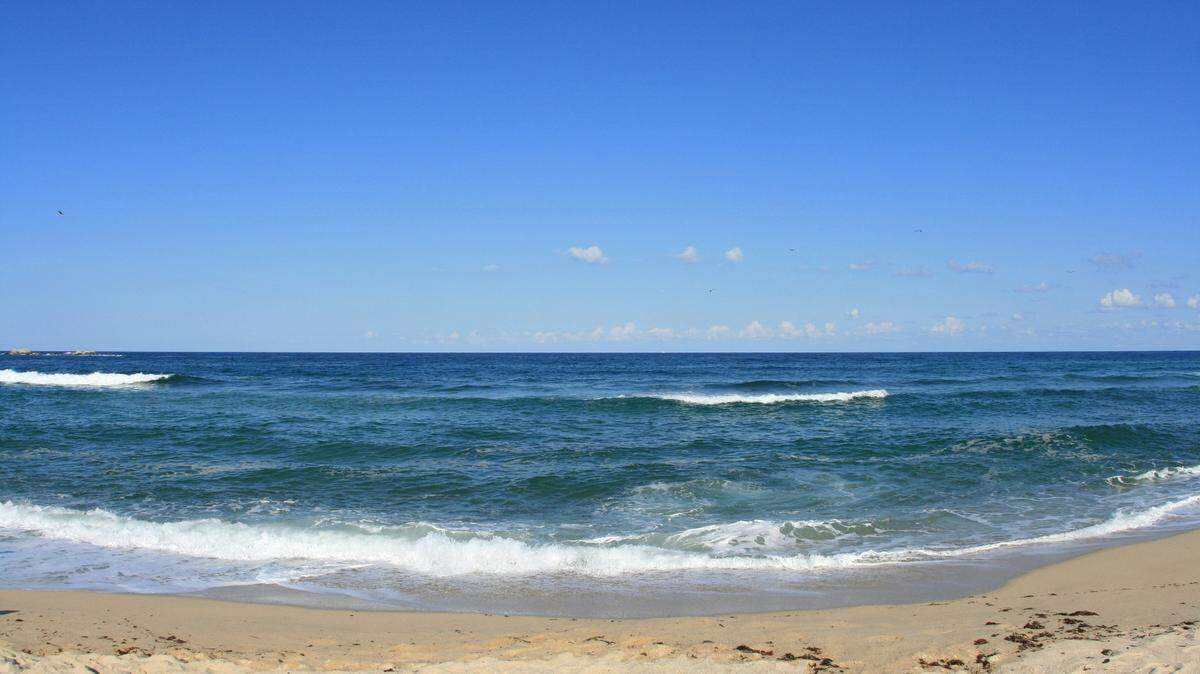
A tiny egg-bearing critter wiggled its “shaggy” body through the sandy ground on an island in Korea. Little did it know it heading straight into a researcher’s trap.
Scientists were exploring Dokdo Island and Ulleung Island in the East Sea (Sea of Japan), according to a study published Feb. 27 in the journal ZooKeys. That’s where they collected four of the creatures using light traps — and realized they were actually a new species. The islands are about 112 miles east of mainland South Korea.
Known as Dimorphostylis pilocorpus, the sea creatures are a type of cumacea, researchers said. Cumacea are also known as hooded shrimp or comma shrimp.
The species was distinguished by its unique body surface, the ridges on its body and other physical features.
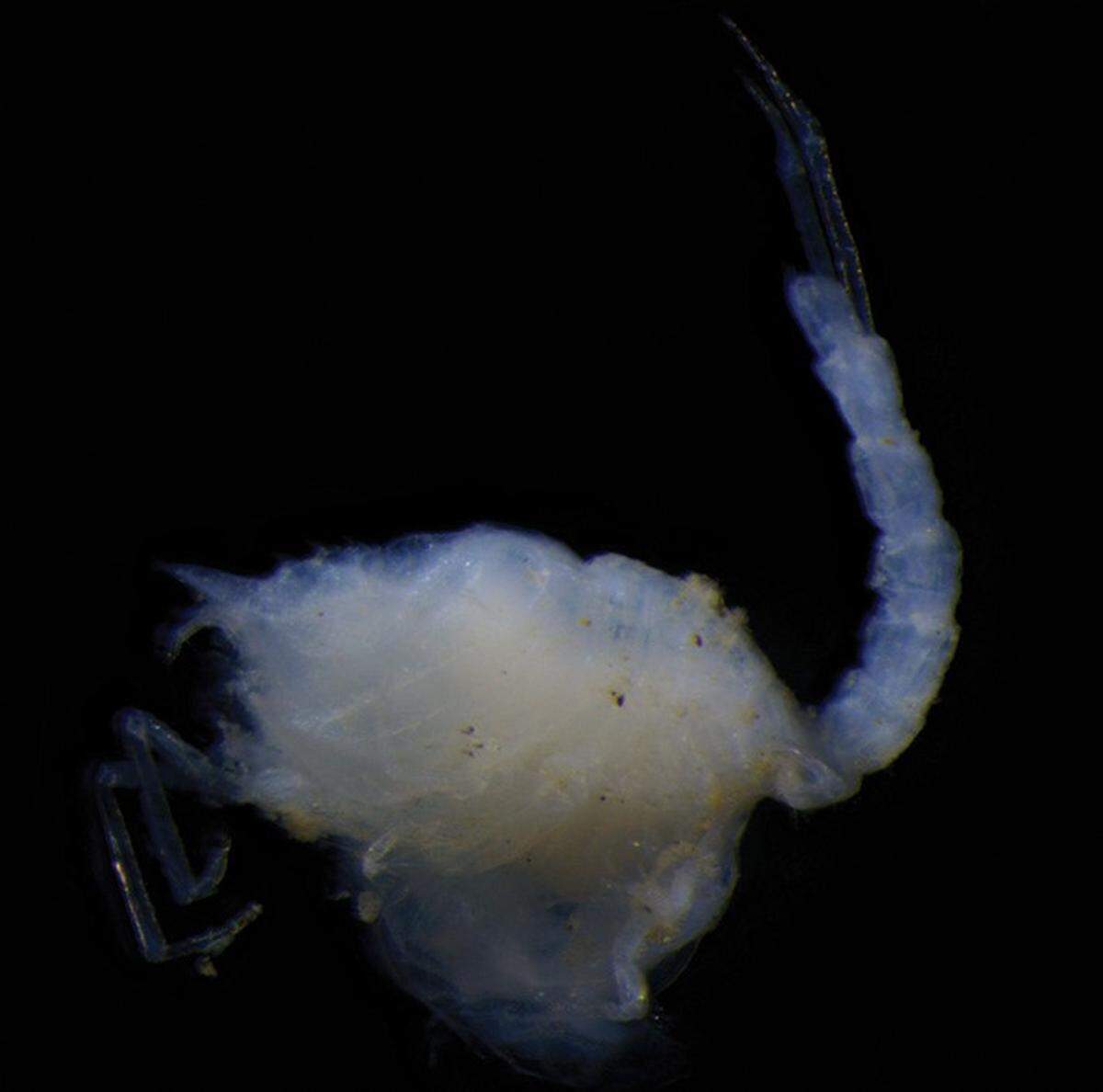
Experts analyzed two egg-bearing females, 12 other females and 82 males of the new species. The cumacean are small, with one female and one male measuring just about 0.2 inches each.
The creatures’ bodies are covered with “numerous slender” bristle-like hairs, according to scientists. They also have ridges along their bodies, some of which are “serrated.”
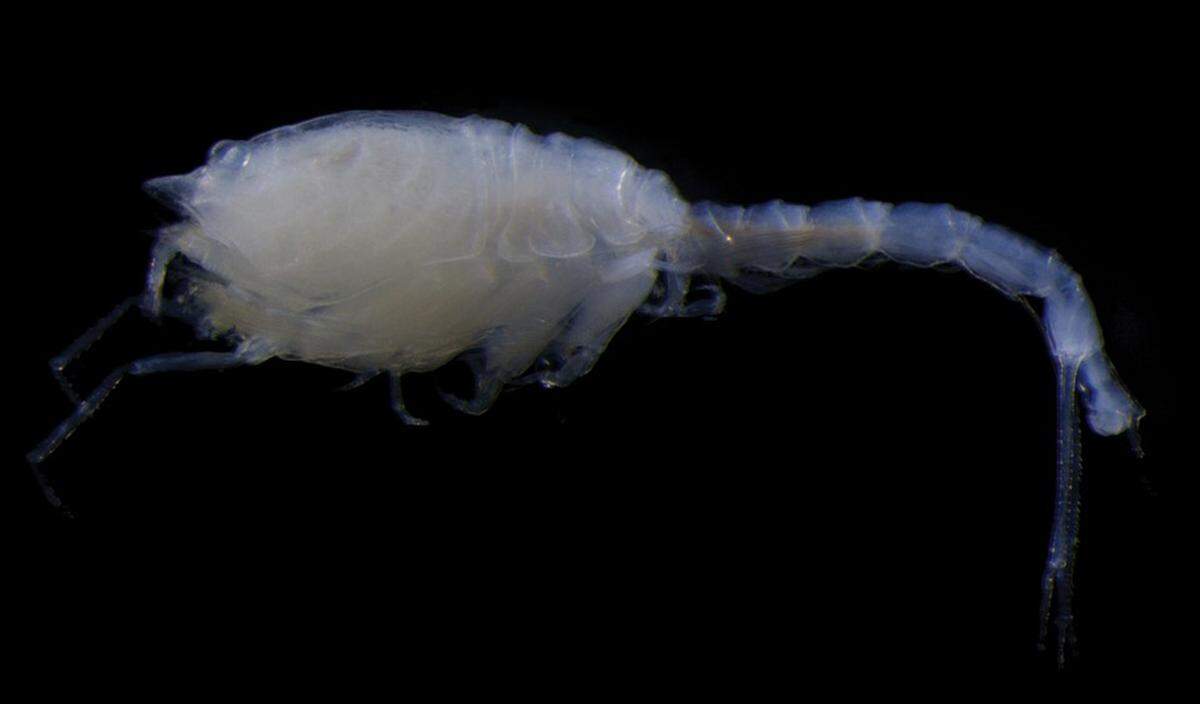
Researchers named the species after a combination of Latin words: pilósus, which means “hairy or shaggy,” and corpus, which means “body.” The creatures were named after their bristly bodies.
Dimorphostylis species are known as “shallow water inhabitants,” experts said. The new species was found in depths ranging from about 16 feet to about 65 feet. The islands where they live have sandy environments.
This story was originally published March 1, 2024 at 10:41 AM with the headline "Sea creature — with a ‘hairy’ ‘shaggy’ body — found on Korea islands. See new species."