2,400-year-old underground discovery stumped experts for decades — until now
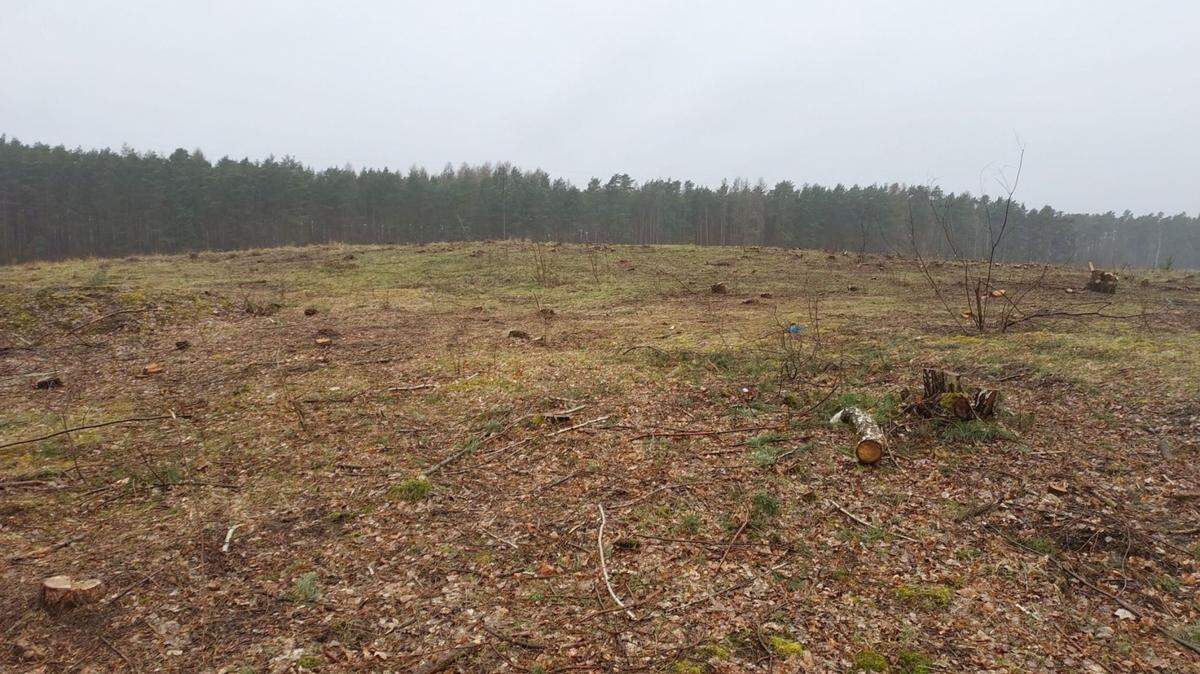
If you wanted to visit the Żagań-Lutnia5 site in southwestern Poland, there wouldn’t be much to see. The greenish field is covered with brown leaves, tree stumps and small branches.
But there’s much more than meets the eye. In 1960, archaeologists discovered the buried remnants of an ancient settlement hidden beneath the field.
At the time, the site’s purpose and age was unclear, but researchers suggested it could have served a defensive purpose.
For the past 64 years, experts have remained stumped by the ruins, known as Żagań-Lutnia5, unable to determine what they are. That is until now, according to a Feb. 19 news release from the Lubuskie Provincial Conservator of Monuments.
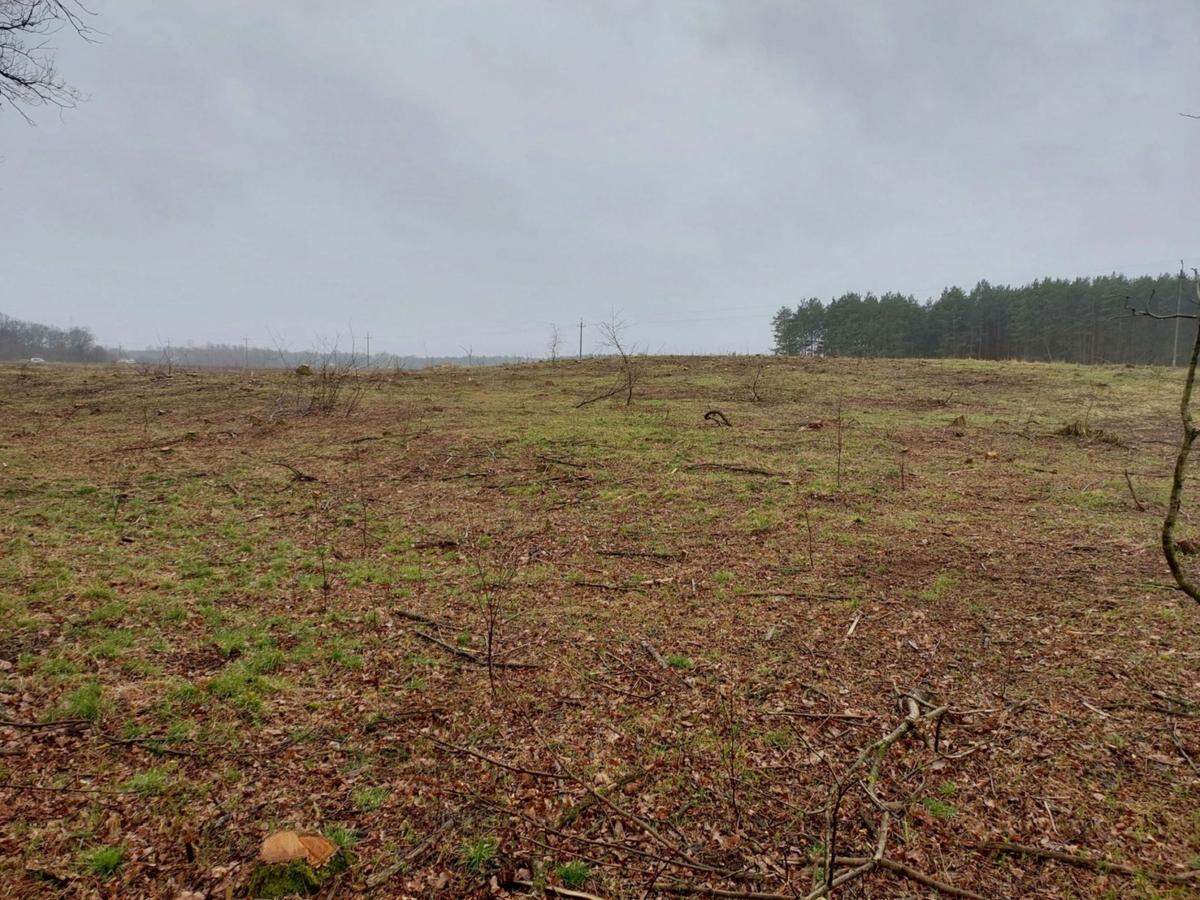
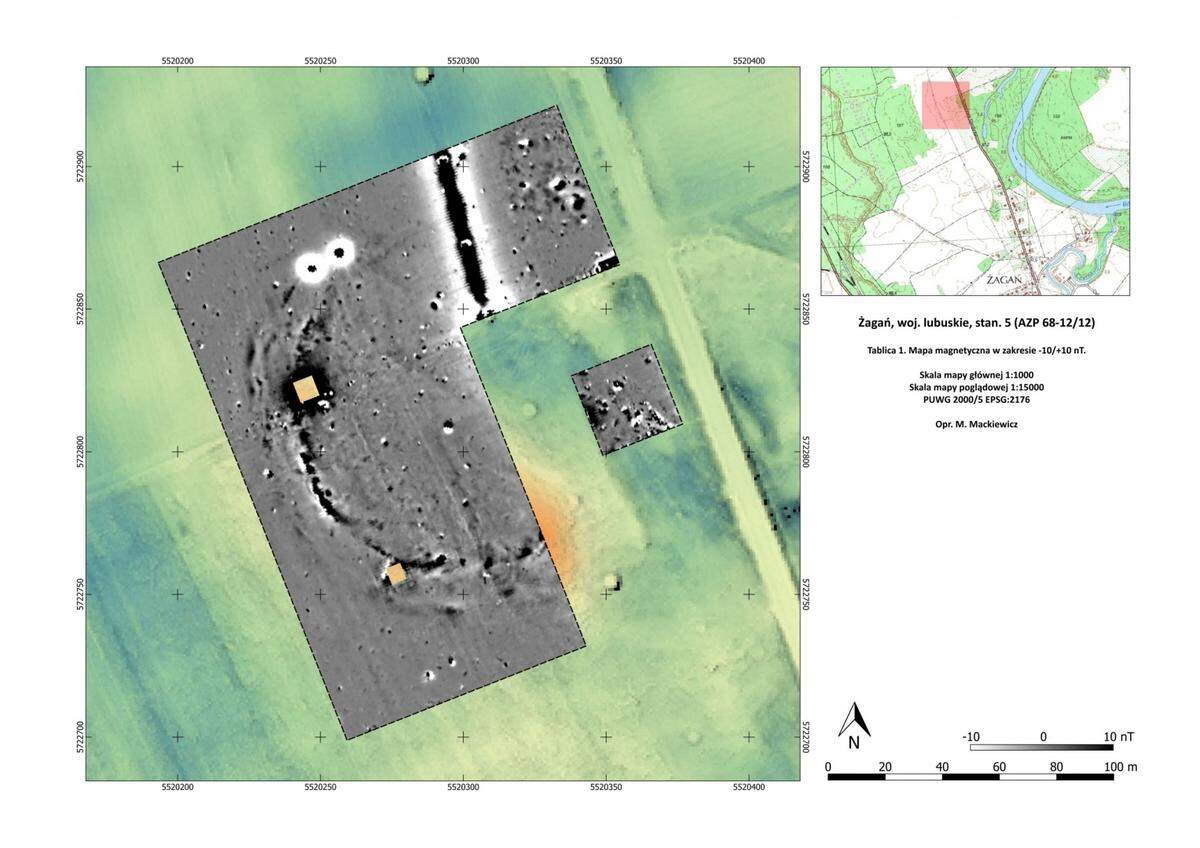
Using non-invasive research methods, including a magnetic method, researchers found two sets of magnetic anomalies in the ground, officials said. The anomalies were examined, and experts said they are most likely burnt relics of wood and earth fortifications.
Between the two sets of ruins is a patch of between 40 and 50 feet of earth.
The discovery confirms the site’s function as a defensive settlement or fort, archaeologists said.
Photos show the magnetic survey, revealing the two fortifications.
The fort dates to the Hallstatt period of the Iron Age — which spanned from about 1200 B.C. until 450 B.C. Researchers said it should be associated with the Białowieża people, a Lusatian urnfield culture that cremated the bones of its deceased and buried them in urns.
The Białowieża are also credited with another stronghold in Wicin, Poland, which is among the most famous archaeological ruins in the area, officials said.
Previous excavations at the Żagań-Lutnia5 site have taken place, including in 1990 when part of the site was transformed into a sewage collector.
These excavations and surveys revealed four layers of ruins, as well as objects including huts, hearths and wooden structures, experts said. One of the wooden structures appeared to hold the remains of embankments. None of these findings have been published.
The ruins were found in the Lubuskie Province, which is in southwestern Poland, about 275 miles west of Warsaw.
Google Translate was used to translate a news release from the Lubuskie Provincial Conservator of Monuments.
This story was originally published February 23, 2024 at 1:22 PM with the headline "2,400-year-old underground discovery stumped experts for decades — until now."