Sprawling cemetery — with 160 child graves — sat untouched for 1,300 years. Until now
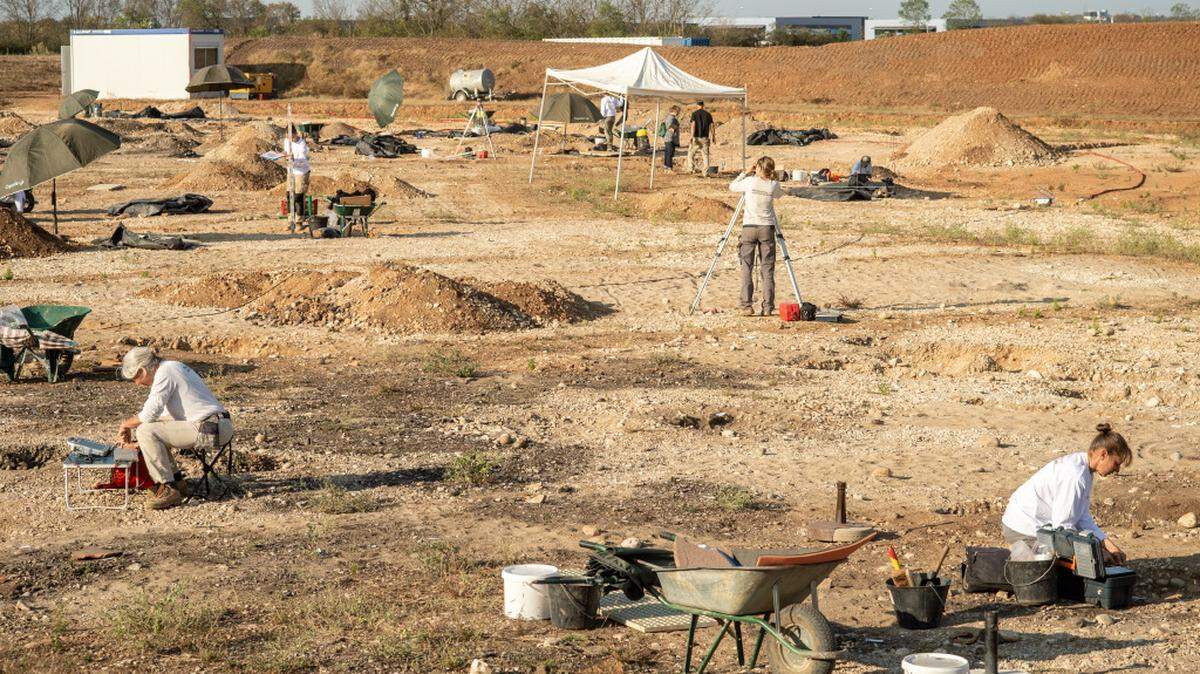
In the middle of the first century B.C. — more than 2,000 years ago — scattered graves were dug next to a roadside in France.
For the next 600 years, what started as a few burials evolved into a sprawling cemetery filled with various types of graves and teeming with burial treasures. About 1,300 years ago, the site finally fell out of use, and its contents were left alone.
That is until now.
The development of a park near what is now the village of Saint-Vulbas led archaeologists to the discovery of the huge burial site in 2018, according to a Jan. 22 news release from the Institut national de recherches archéologiques préventives (INRAP). Since then, they’ve discovered more than 1,000 funerary structures — including 550 burials, 200 cremations, 30 funerary enclosures and 200 structures of an unknown nature.
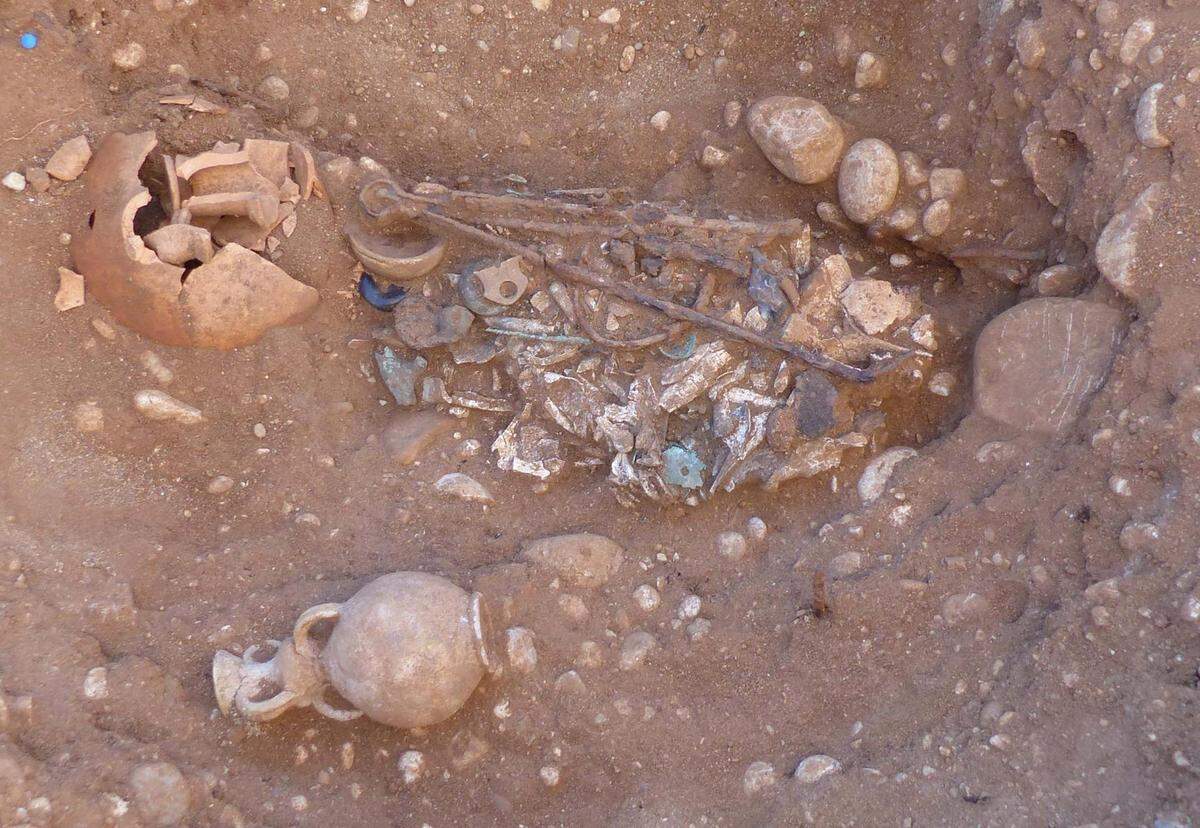
After the initial burials, the cemetery, which was delimited by ditches and the road, became more densely populated toward the end of the first century B.C. and the start of the first century A.D., officials said.
The majority of these early burials belonged to toddlers. Archaeologists said they discovered 160 child graves. Most children were buried in a container made of wood or stone. Four children were cremated.
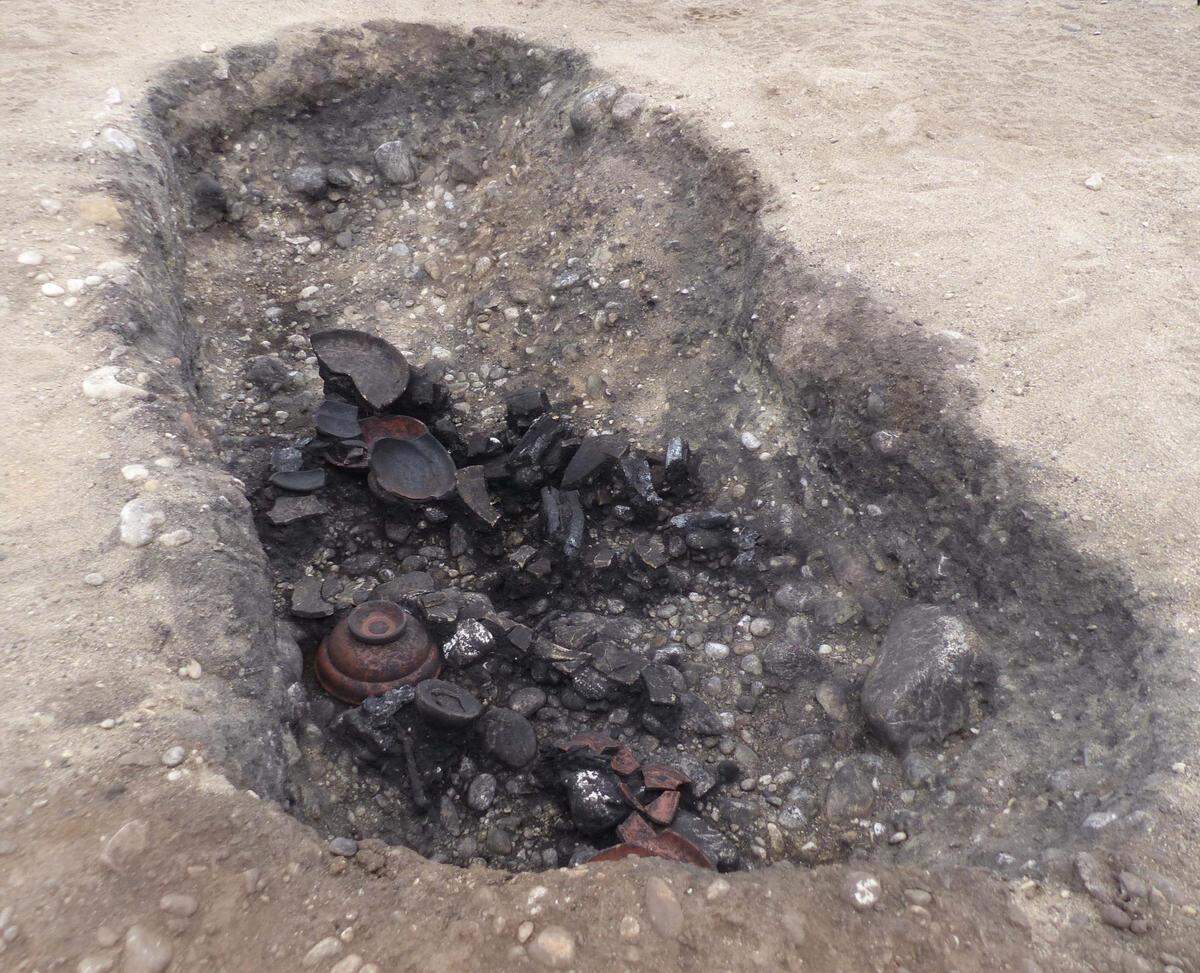
An area of pyre pits that was used through the second century was also found at the site, archaeologists said. Later, graves appeared closer to the edges of the site, marked by ditches, and were organized in rows.
Experts said they found evidence of both burials and cremations. Early on, burials were most common, but cremations became more popular between 60 A.D. and 100 A.D. before declining and mostly disappearing by the start of the fourth century A.D.
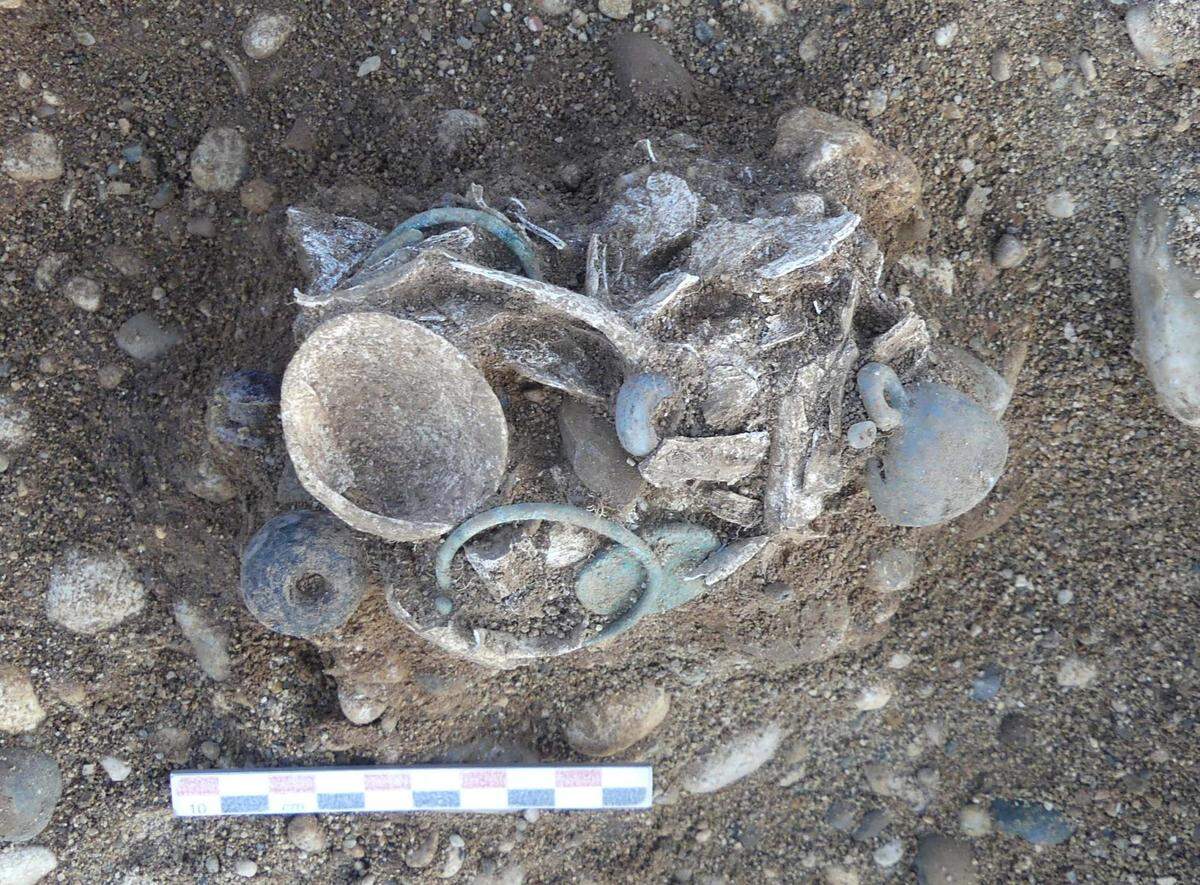
Cremated remains were usually found in single containers — such as a vase or box — but there were some double and triple containers, according to officials.
A variety of burial types were discovered at the site. Archaeologists unearthed some burials from the ground, but they also found covered pits and coffins.
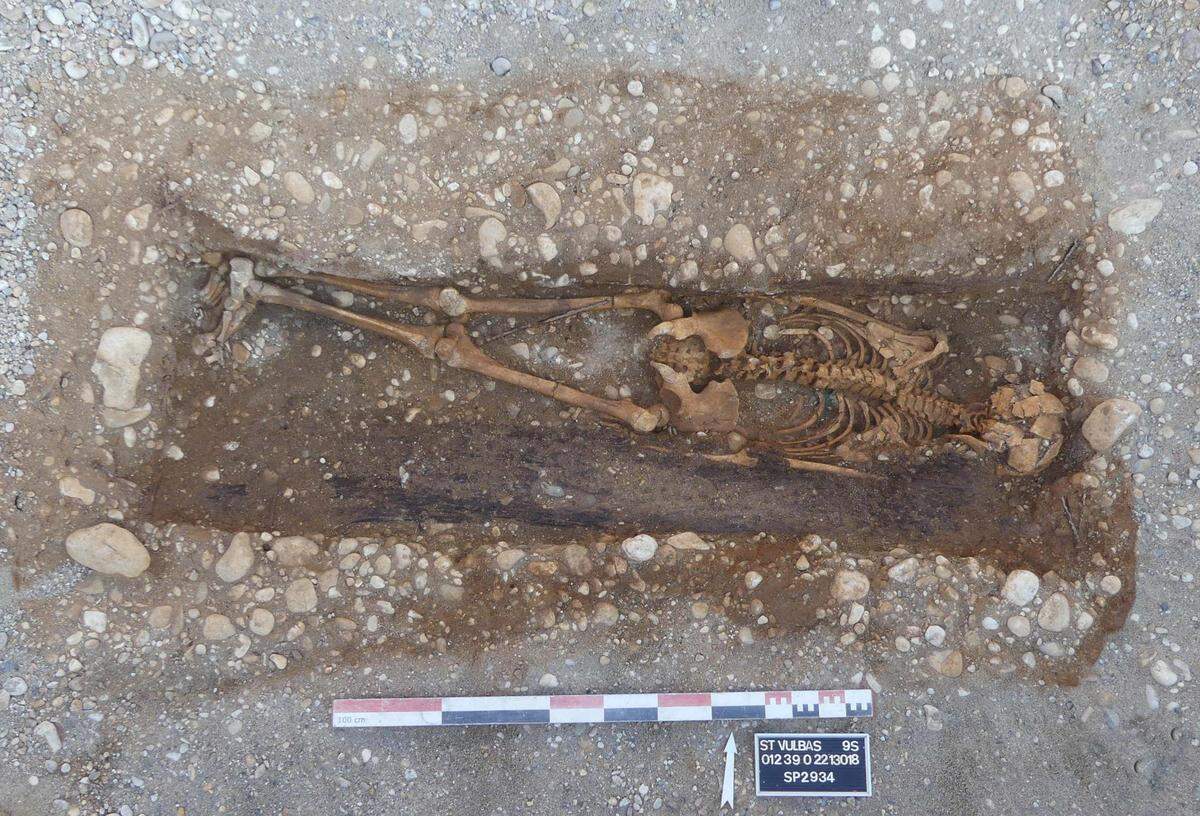
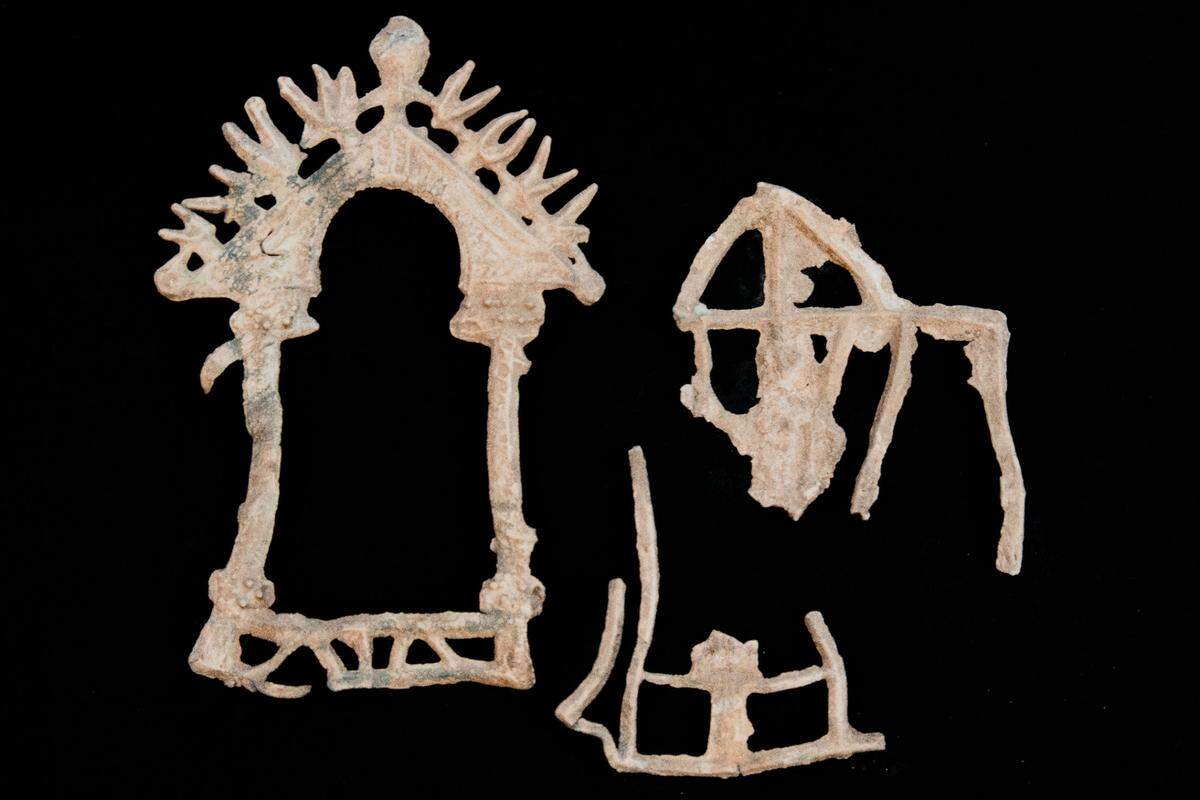
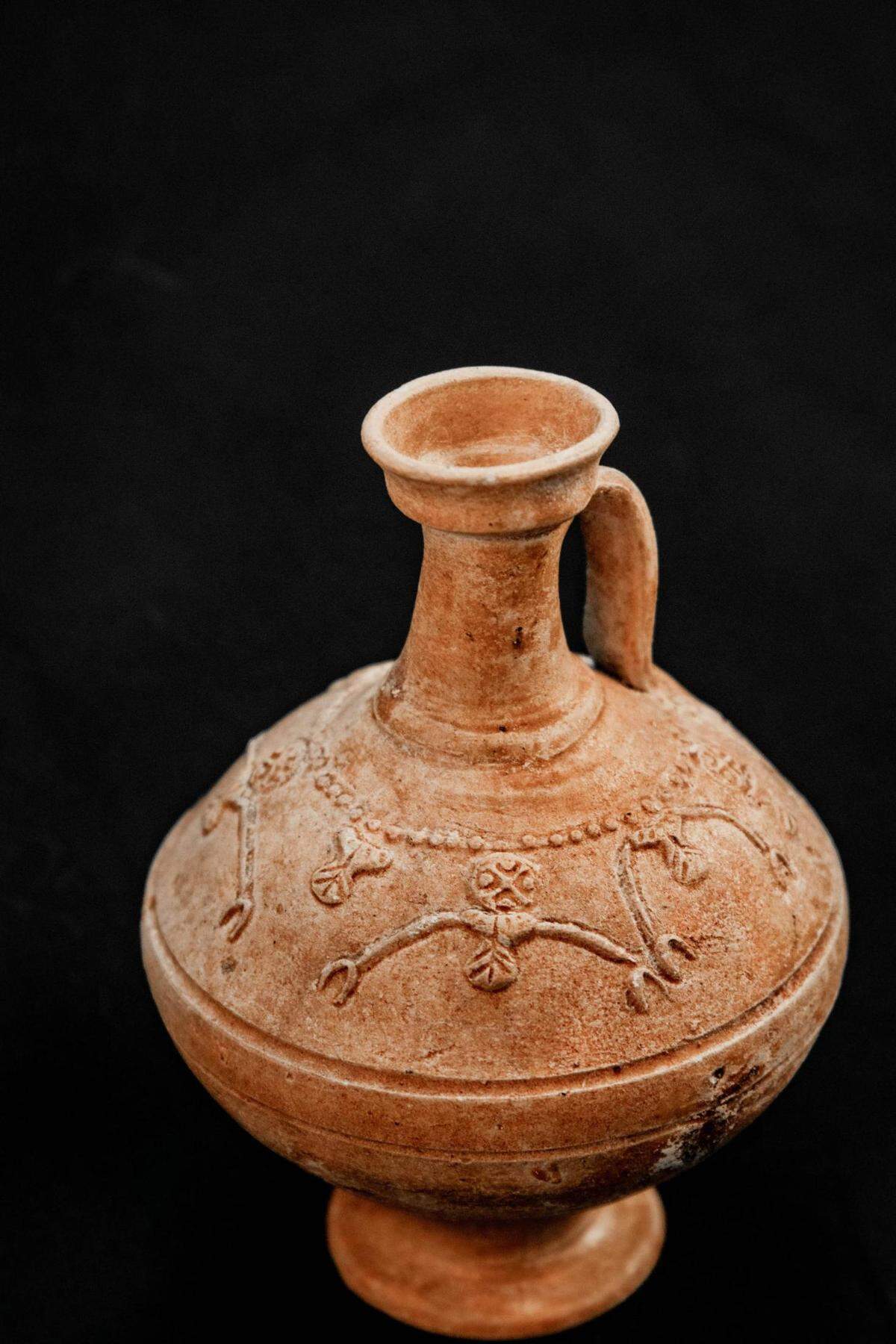
Some burials were full of treasures, including an abundance of furniture and small vases, experts said.
Archaeologists found more furniture and grave deposits in child graves in early period burials at the cemetery.
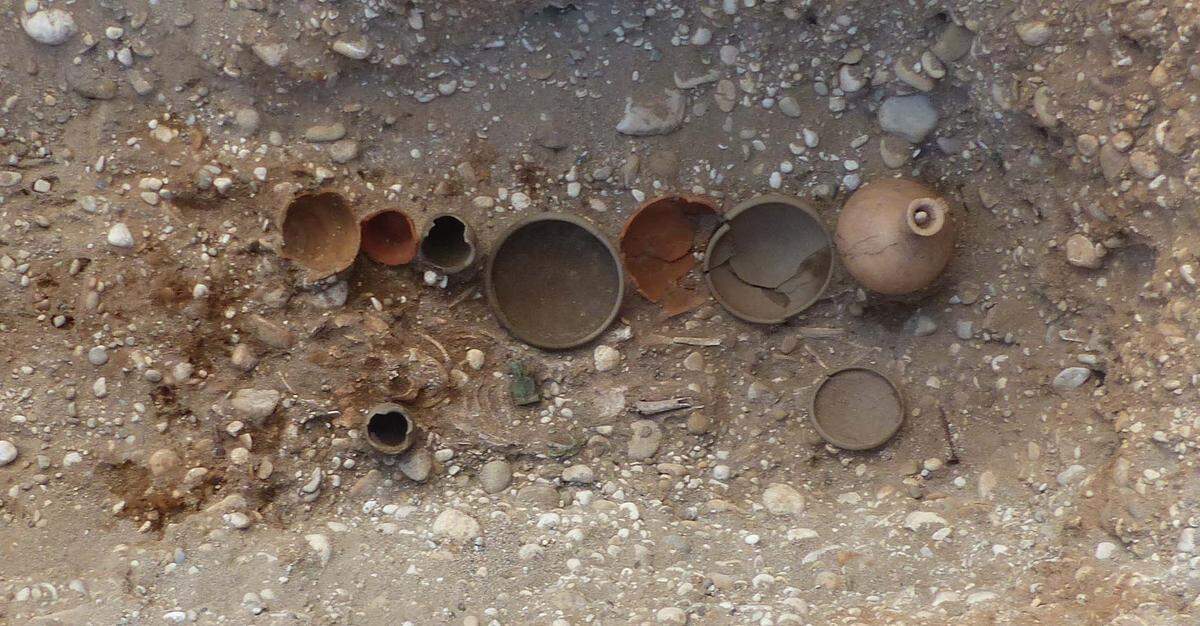
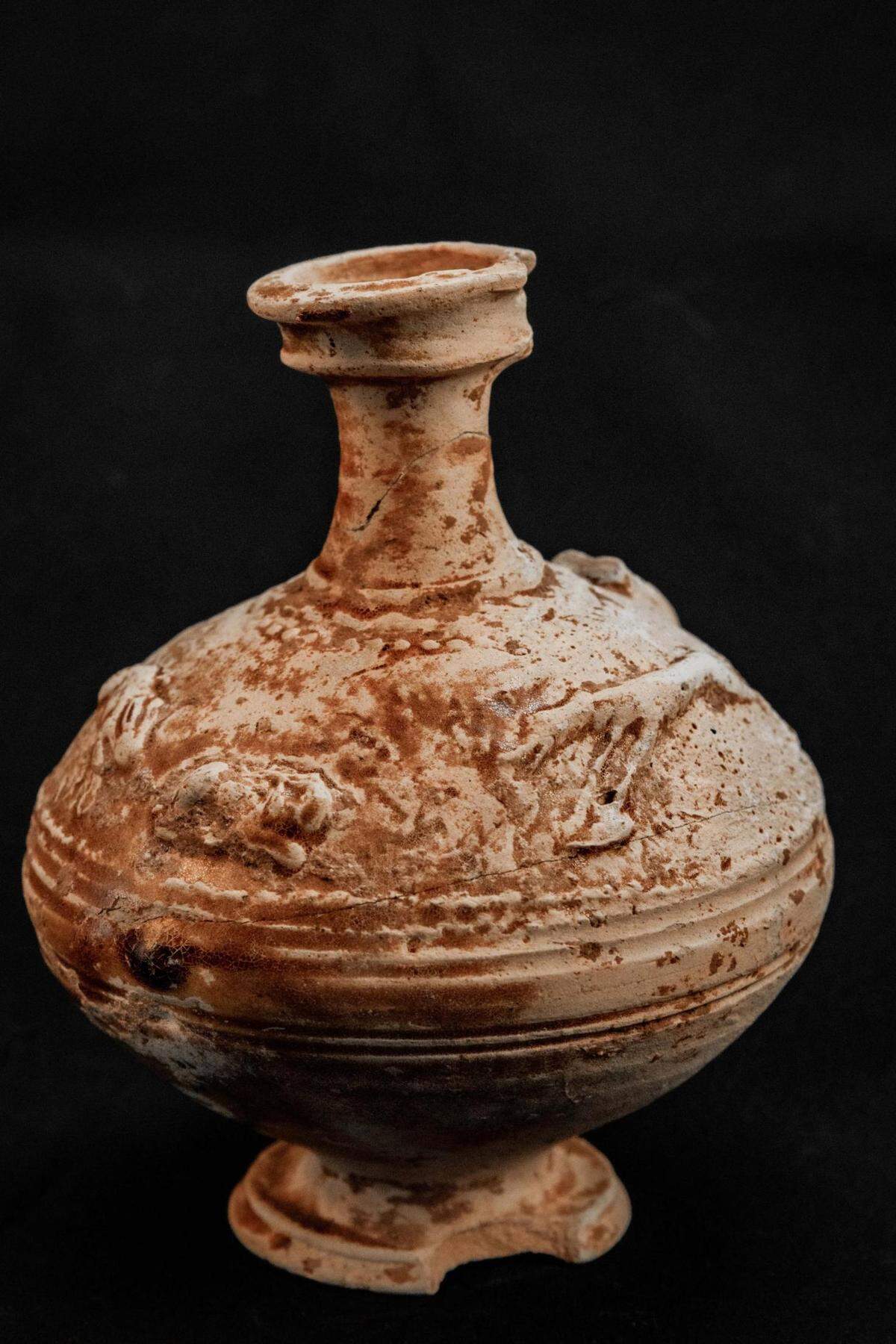
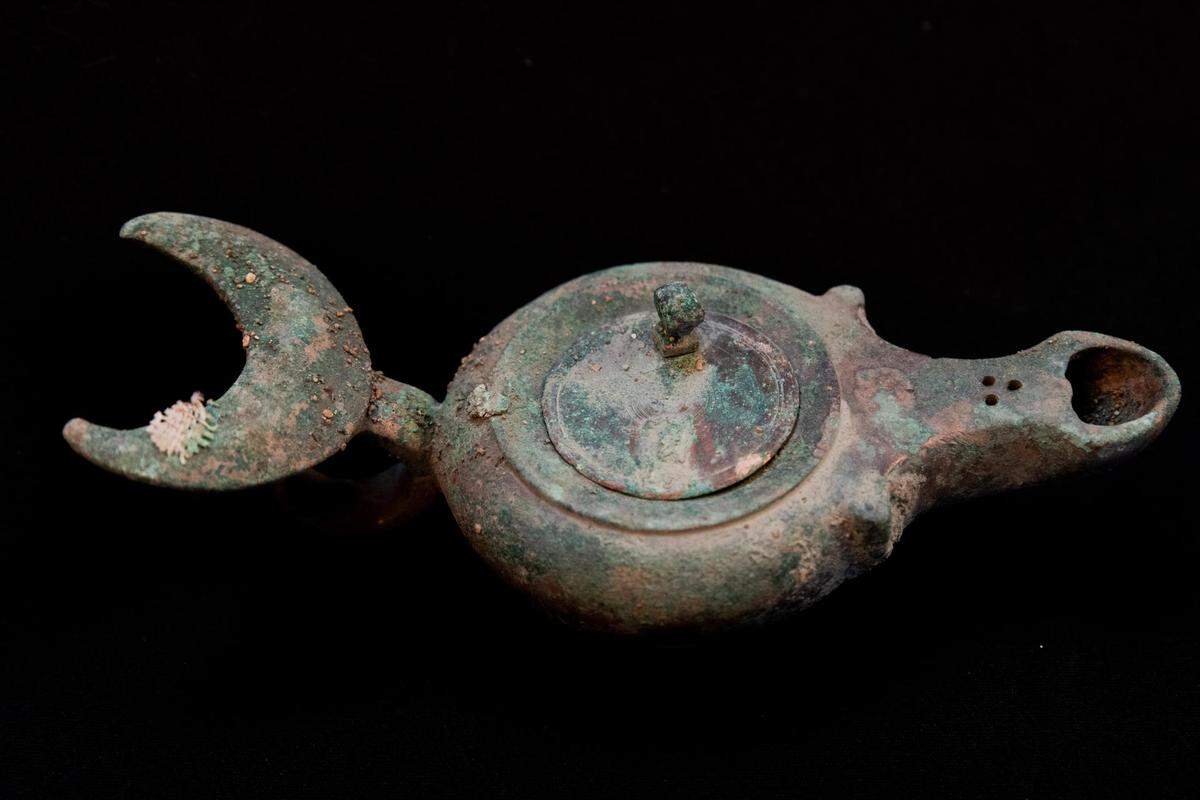
However, the connection between age and burial treatment seemed to weaken over time. Ceramic objects and small pieces of furniture were found in later burials of all aged people.
A ditch at the site was also excavated, and researchers found a trove of cooking pots and jugs that might have been used to bring food and drinks for funeral meals or commemorations at the cemetery, officials said.
Saint-Vulbas is about 300 miles southeast of Paris.
Google Translate was used to translate a news release from the Institut national de recherches archéologiques préventives (INRAP).
This story was originally published January 24, 2024 at 4:16 PM with the headline "Sprawling cemetery — with 160 child graves — sat untouched for 1,300 years. Until now."