‘Giant’ creature that releases acid from tail is discovered in Mexico. See new species
CORRECTION: A previous version of this story listed the wrong number of legs for the new species. They have eight legs.
The corrected story is below.
A small critter uses its eight legs to scurry beneath a rotten log deep in a pine forest in Mexico — and right into the hands of a researcher.
Experts were searching for “giant vinegaroons,” also known as whip scorpions, when they stumbled upon the creature and realized it was a new species. They identified two other new species of whip scorpion, too, according to a study published Oct. 6 in The Journal of Arachnology.
All three species belong to the Mastigoproctus genus, and they are a type of arachnid known as Thelyphonida. Researchers identified them as M. franckei, M. xetame and M. yalchanchak.
The new species are all reddish-brown and just a few inches long. Specimens of M. franckei ranged in size from about 2.5 inches to about 2.1 inches; specimens of M. xetame ranged from about 2.2 inches to about 1.9 inches; and specimens of M. yalchanchak ranged from about 2.3 inches to about 2.2 inches.
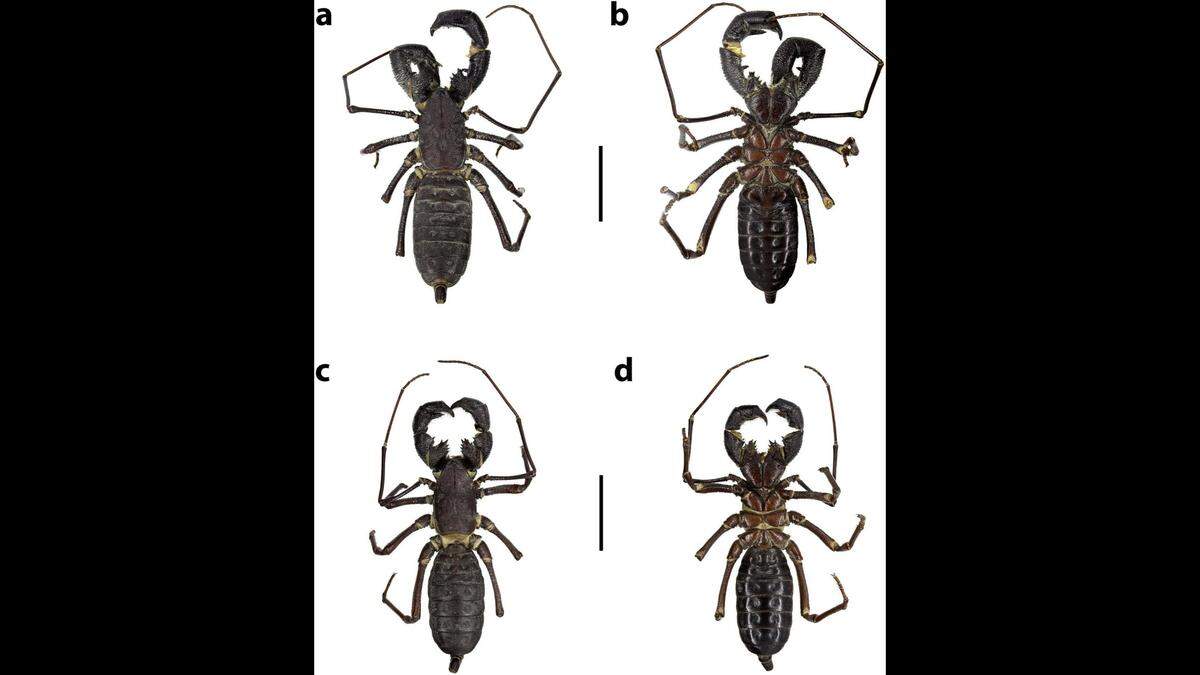
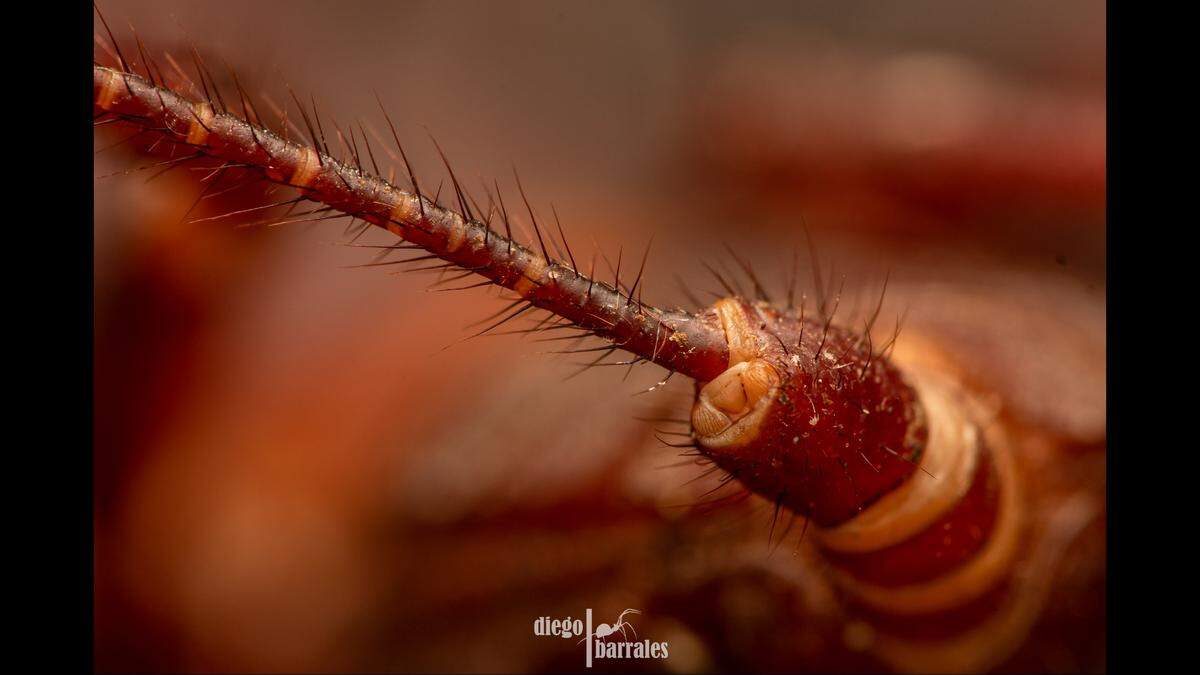
None of the species have venom, one of the researchers, Diego Alejandro Barrales Alcalá, wrote on X (formerly Twitter). Instead, the arachnids have a flagellum, which are like tails, that can excrete a mix of water and acids. Researchers believe the creatures use this substance as a defense mechanism to deter predators.
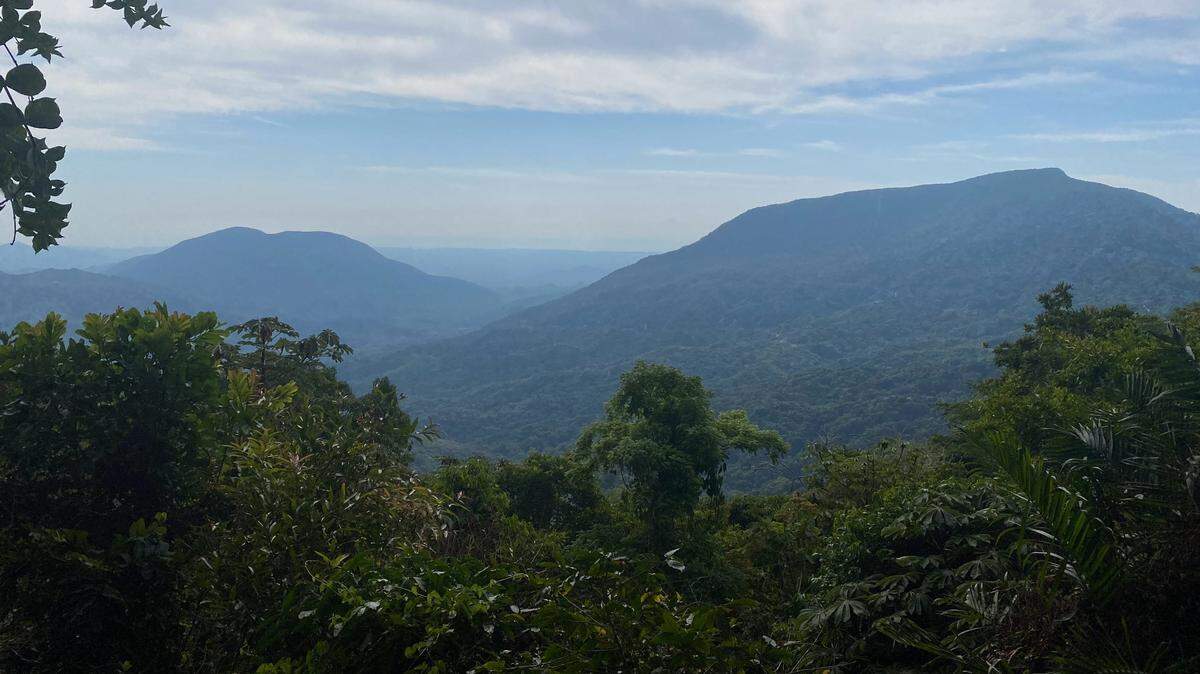
Scientists said they discovered M. franckei living in tropical rainforests in Xilitla and Aquismon, San Luis Potosi, Mexico. The species was named after one of the study’s co-authors, Oscar F. Francke Ballve.
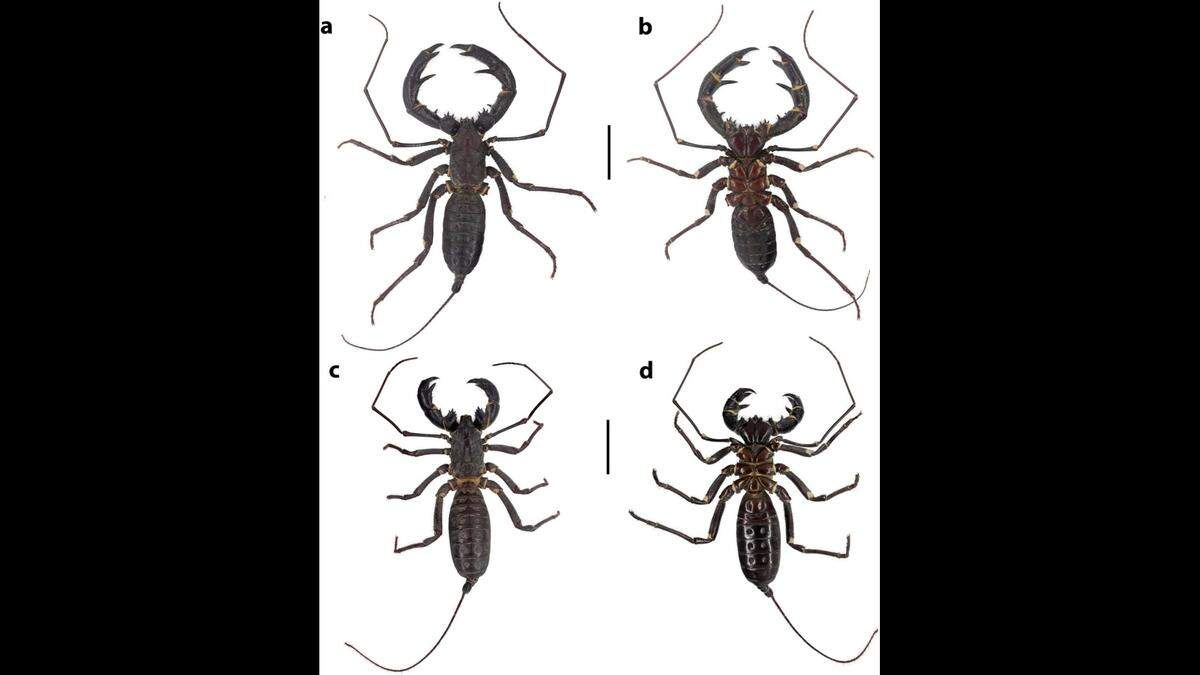
M. xetame lives in pine and oak forests in Jalisco, Mexico, the study said. Specimens were collected from under rocks and rotten logs. The creatures were named after the Huichol word for reddish, xetame.
Researchers said they were unable to find any live specimens of M. yalchanchak, so they determined the new species using existing museum specimens collected several decades ago. The species was named after its size and color using the Tojolabal words “yal chan” and “chak,” which mean small animal and red.
Google Translate and X were used to translate posts on X from Diego Alejandro Barrales Alcalá.
This story was originally published October 12, 2023 at 1:02 PM with the headline "‘Giant’ creature that releases acid from tail is discovered in Mexico. See new species."