17 US soldiers accused of smuggling drugs into South Korea by military mail, cops say
South Korean police accused 17 U.S. soldiers and five others of smuggling synthetic cannabis into the country by military mail and distributing the drugs. Marijuana is highly restricted in South Korea.
The Gyeonggi Nambu Provincial Police began a drug smuggling investigation following reports of synthetic cannabis distribution around U.S. military bases near Seoul, police said in a Sept. 19 news release.
United States Forces Korea said it “is aware” of the investigation “for alleged illegal drug behavior and misuse of the military mail system,” according to a Sept. 20 news release. “USFK does not condone any behaviors among its personnel that violate South Korean laws, rules or directives and supports this investigation,” officials said.
Police said a 24-year-old U.S. soldier used the military mail to smuggle synthetic cannabis from the U.S. mainland into South Korea between May and August. He put the drugs in a plastic container and passed it off as e-cigarettes, according to police.
Synthetic cannabis, or synthetic cannabinoids, “are not one drug” but a mixture of chemicals that mimic marijuana, according to the Centers for Disease Control and Prevention. Liquid mixtures and e-cigarettes are among several ways that synthetic cannabinoids can be used, per the CDC.
A 33-year-old Filipino woman bought the drugs and resold them to another distributor, a 27-year-old Korean woman, and several other U.S. soldiers, South Korean police said.
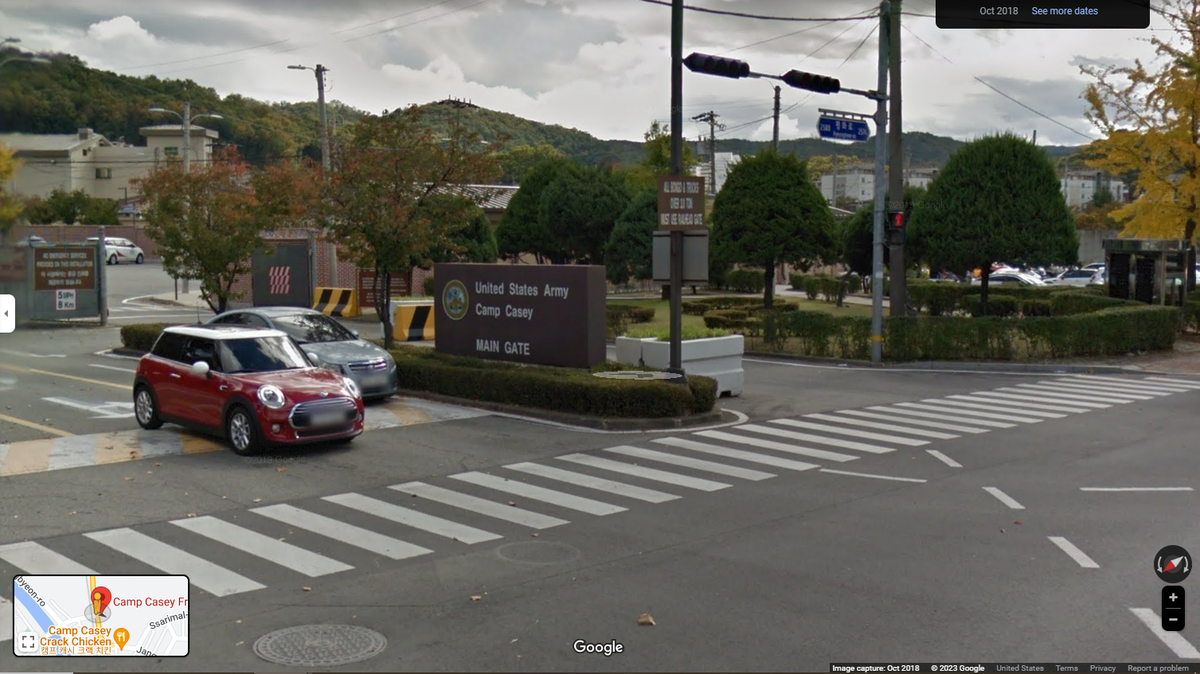
The investigation led police to execute four search warrants on two U.S. military bases: Camp Humphreys in Pyeongtaek and Camp Casey in Dongducheon, the release said.
Camp Humphreys to the south of Seoul and Camp Casey to the north of Seoul are about 65 miles apart.
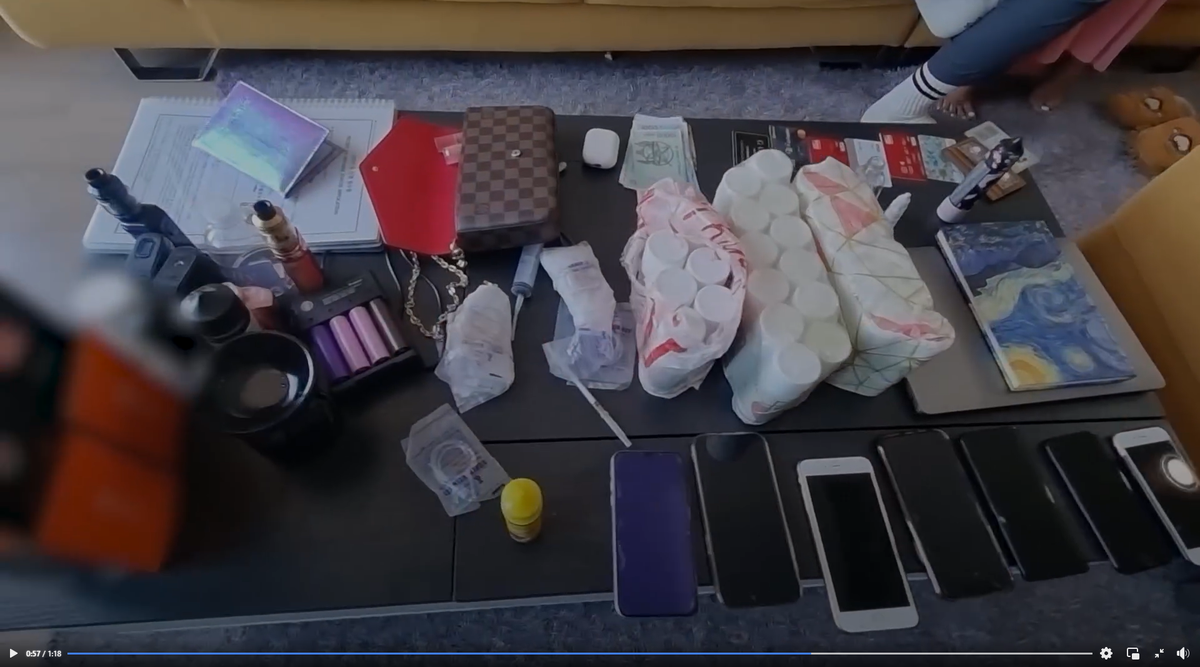
South Korean police confiscated about 2.7 ounces of synthetic cannabis, about 1.1 gallons of mixing liquids and 27 e-cigarettes, according to the release.
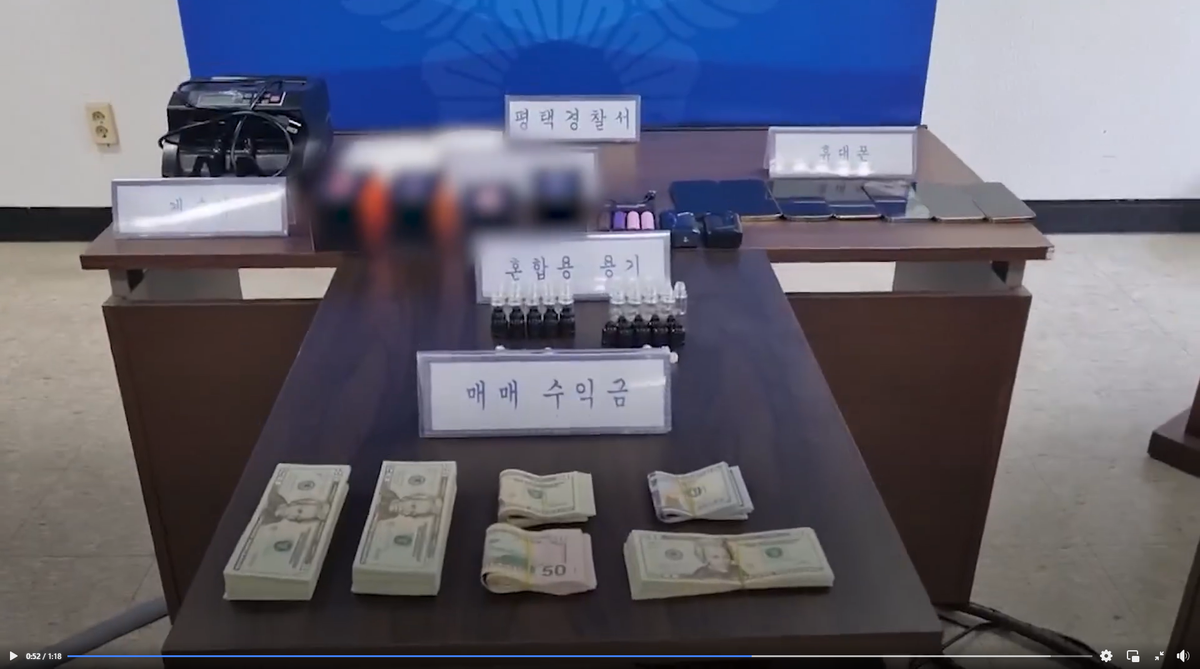
Footage of the raids shared by the Gyeonggi Southern Police on Facebook showed the confiscated property. Several items were referred to as mixing containers, and police identified stacks of cash as profits from the drug sales.
Police arrested 17 U.S. soldiers, four Koreans and one Filippino in connection to the investigation, the release said.
No U.S. soldiers “are in confinement or being detained in relation to this incident,” U.S. officials said.
Marijuana is highly restricted in South Korea. Under the country’s Narcotics Control Act, those convicted of illegally exporting, importing, trading, possessing or using marijuana can face anywhere from one year in prison to life in prison or fines ranging from 10 million won (about $7,451) to 100 million won (about $74,512) depending on the violation.
Naver’s Papago Translate was used to translate the news release from the Gyeonggi Nambu Provincial Police and Facebook post from Gyeonggi Southern Police.
This story was originally published September 21, 2023 at 1:01 PM with the headline "17 US soldiers accused of smuggling drugs into South Korea by military mail, cops say."