Trove of dazzling glass pieces perfectly preserved in ancient shipwreck. See them
.jpg "The ancient shipwreck was originally found in 2012 in the Mediterranean Sea, Italian officials said.")
CORRECTION: Corsica is an island south of France. An earlier version of this story misstated its location.
The corrected story is below.
For about 2,000 years, the remnants of a shipwreck and its cargo were nestled about 1,150 feet underwater on the sandy floor of the Mediterranean Sea.
That is until 2012, when Guido Gay discovered the wreck between Corsica, France and the Island of Capraia in Italy. Since then, experts have overseen two initial surveys and sampling missions of the wreck in 2013 and 2015.
Now, for the first time, officials from France and Italy’s Ministries of Culture organized a joint study of the site and got a glimpse at the ship’s ancient cargo, according to a July news release from Italy’s National Superintendency for Underwater Cultural Heritage.
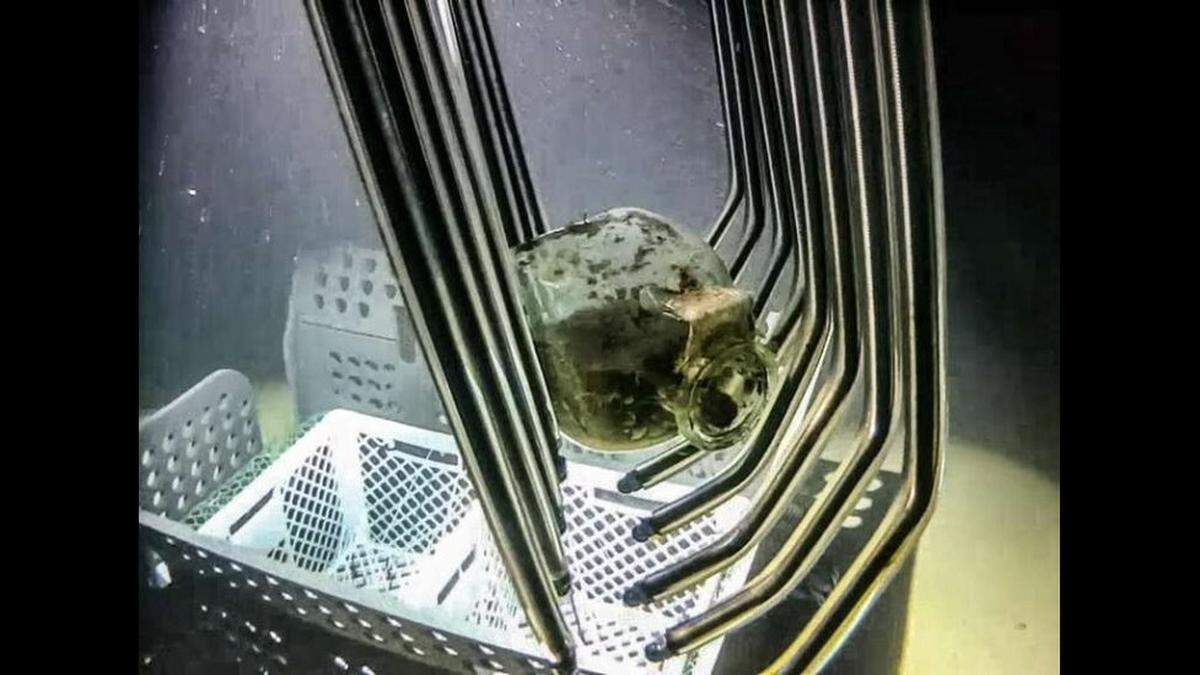
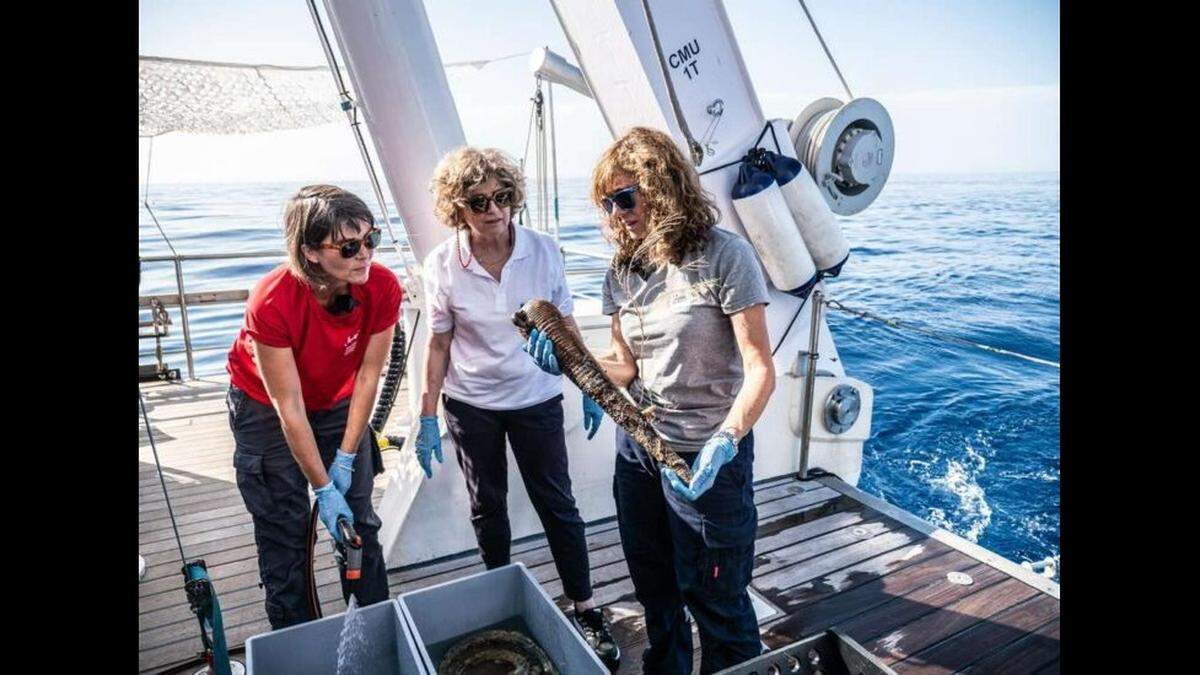
The study’s first campaign — a survey of the wreck followed by an exploration to clean areas and recover artifacts from the site using remotely operated vehicles — took place between July 1 and July 8, officials said.
Here’s what archaeologists learned.
Perfectly preserved cargo
Experts said they recovered a trove of artifacts from the shipwreck.
Among the discoveries were two bronze basins, several glass jars known as amphorae, and thousands of pieces of blown glass tableware, including bottles, plates, cups and bowls, Italian officials said.
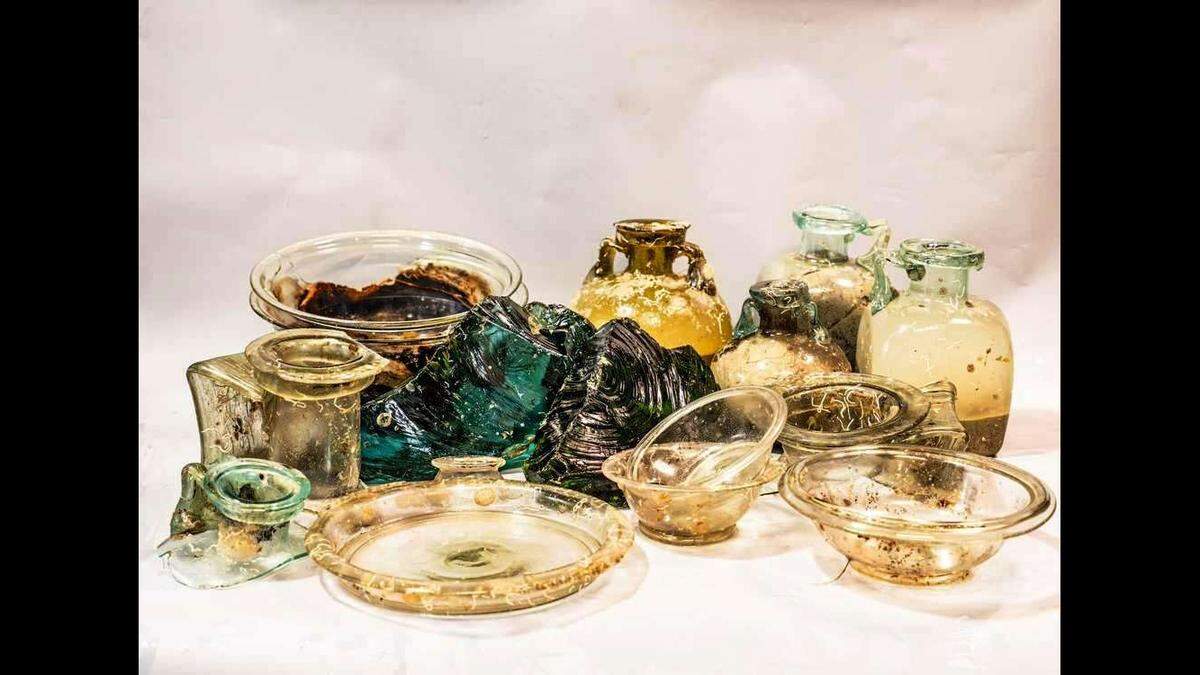
Despite spending /nearly two thousand years underwater, archaeologists said the cargo was nearly perfectly preserved.
The artifacts also gave experts further insight into the origins of the ship, according to officials. Initial analysis of the pieces indicate that the ship likely came from the Middle East, perhaps from Lebanon or Syria, and was on its way to the French Provençal coast.
Reconstructing history
Archaeologists are hopeful that further analysis of the exceptional wreck will give them more insight into its history, including a more concrete timeline of the wreck and more information on the route it was taking, according to officials.
Learning more about the ship and its contents will also help researchers reconstruct the history of Mediterranean trade, officials said. Experts have dated the wreck back to the late first or early second century A.D.
Officials anticipate an ongoing, broader project in coming years.
Corsica is an island south of France, about 70 miles southwest of the Island of Capraia, which is off the west coast of Italy.
Google Translate was used to translate a news release from Italy’s National Superintendency for Underwater Cultural Heritage.
This story was originally published July 25, 2023 at 2:31 PM with the headline "Trove of dazzling glass pieces perfectly preserved in ancient shipwreck. See them."